Nihon Netsugen Systems (NNS), a Japanese manufacturer of industrial refrigeration systems, is seeing a 15‒20% annual sales increase for its CO2 (R744) equipment, according to company President Katsuhiko Harada.
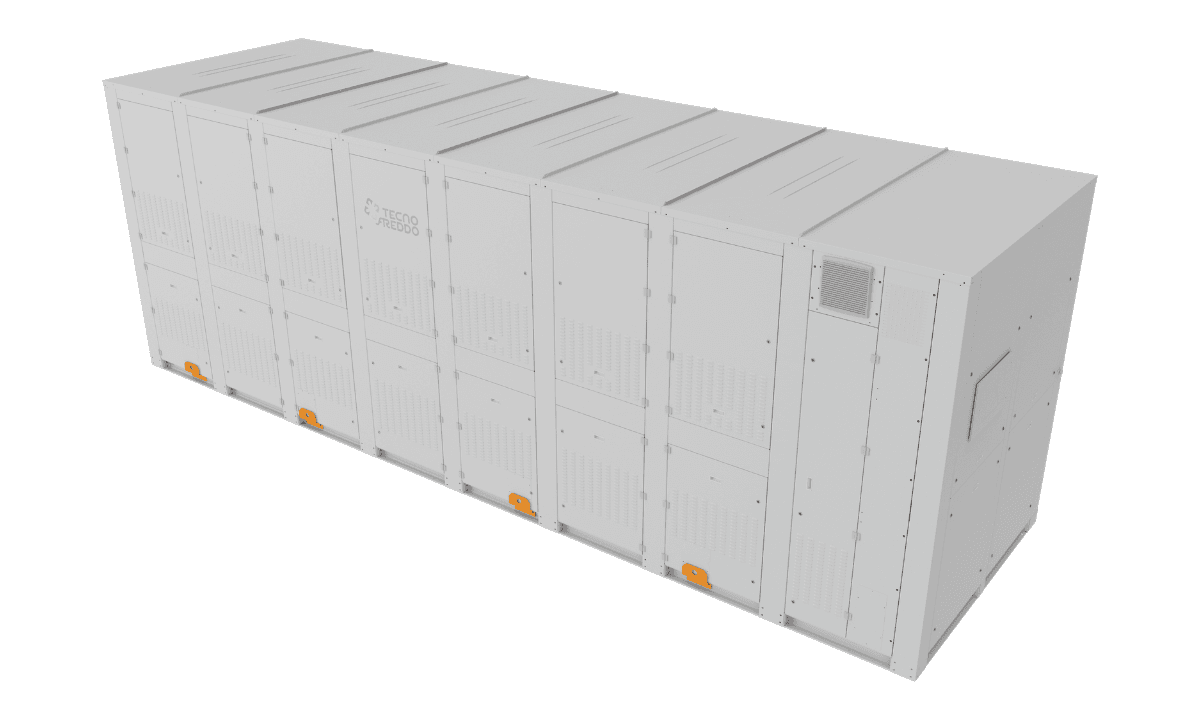
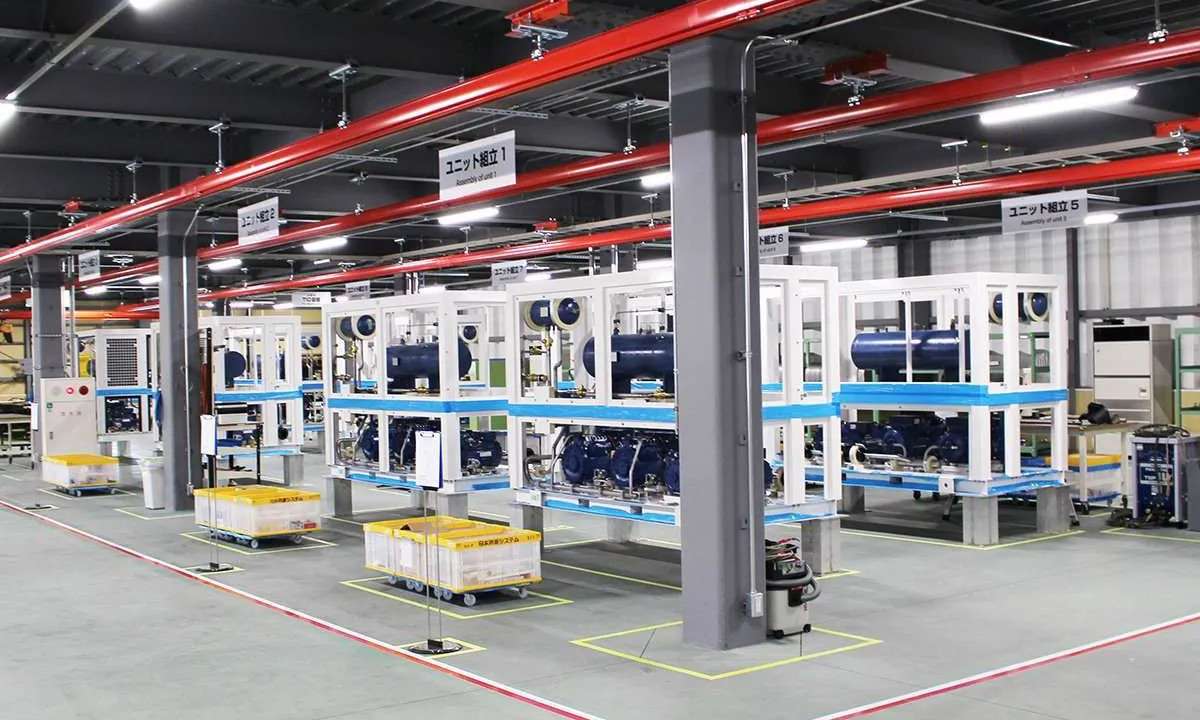
Along with its Super Green CO2 condensing units, NNS also manufactures CO2 brine chillers and installs large-scale ammonia (R717) refrigeration systems manufactured by GEA. The company has 620 CO2 condensing units operating in 230 industrial refrigeration projects in Japan, Harada told Jan Dusek, COO and Co-Founder of ATMOsphere, in an exclusive interview.
Over the last few years, NNS has sold about 120 CO2 units each year. However, Harada expects that figure to rise to 150–160 units annually, as projects are already scheduled two years in advance. ATMOsphere is the publisher of NaturalRefrigerants.com.
“Providing CO2 systems for cold warehouses and logistic centers represents 50‒60% of our business, with systems for the food, chemical and pharmaceutical industries accounting for the rest,” Harada said. “End users want environmentally friendly, energy-saving refrigeration equipment, which leads investment companies to choose CO2 or ammonia/CO2 systems for warehouses and logistic operations.”
In the interview, Harada outlined NNS’s operations in Japan. The interview has been edited for length and clarity.
Go Deeper
President of Nihon Netsugen Systems Details the Company’s Growth in Southeast Asia
What does the Japanese market look like for NNS, both for CO2 and ammonia?
Katsuhiko Harada: Japan’s natural refrigerant subsidy project helps end users, especially small- and medium-sized cold warehouse companies, adopt CO2. Currently, we have more than 20 projects supported by the subsidy. We also see a rising demand for CO2 brine chillers. With cold water or brine coming directly from the machinery, the unit makes processing easier for the food and dairy industries. Since we target chemical or pharmaceutical projects requiring a cooling capacity of 1MW (284.3TR), our ammonia refrigeration sales remain limited but steady year after year.
With CO2 accounting for the majority of your sales, what energy benefits do your clients see?
KH: We continuously monitor the energy consumption of the more than 200 CO2 projects we’ve completed in Japan. Our CO2 equipment is 20‒40% more efficient than replaced and outdated R22 systems.
In warehouse applications, on average, our CO2 refrigeration systems operate with a SEC of 28kWh per cubic meter per year, which is almost half of the 56 SEC target set by the Japan Association of Refrigerated Warehouses. Of course, the SEC depends on the project. Our best warehouse operates with an SEC of 20, while our worst warehouse has an SEC of around 32.
“End users want environmentally friendly, energy-saving refrigeration equipment.”
Katsuhiko Harada, President Nihon Netsugen Systems