Connecticut retailer Cingari Family Markets is upgrading refrigeration systems across its 12 ShopRite-branded supermarkets to CO2 (R744)-based technologies in a move to “future proof” its business amid tightening state and federal environmental regulations, while also reducing energy use.
To date, three Cingari Family Markets stores have been remodeled, with three more currently in the design phase.
“Even though there is no pending legislation in Connecticut, the Cingari family wanted to get ahead of the curve,” explained Joe Sigg, Senior Project Engineer at Wakefern, a retailer-owned cooperative that includes ShopRite among its 45 member companies.
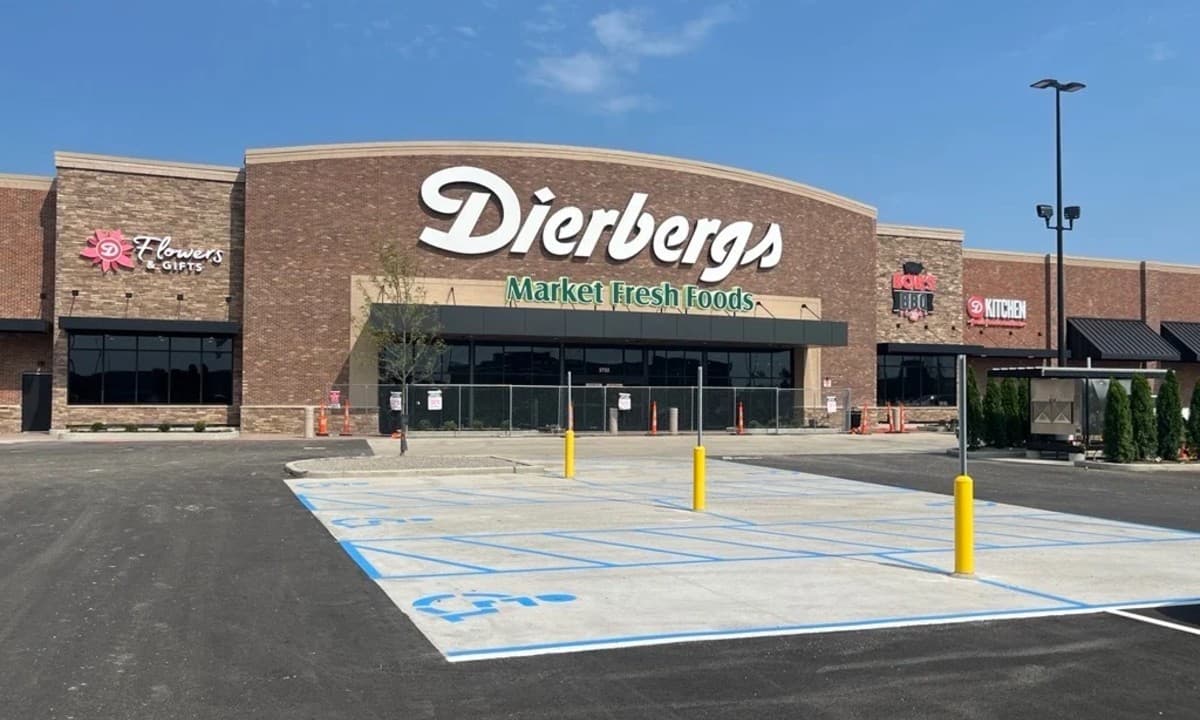
The company’s first CO2 retrofit was completed nearly a year ago at its Commerce Street location in Stamford, replacing an aging R404A system. The new 512.6kW (145.7TR)-capacity CO2 system has reduced the store’s energy use by approximately 5% and is projected to cut its carbon emissions by more than 1,500 metric tons of CO2e annually, according to Sigg. Additionally, by using waste heat from the refrigeration system to produce hot water, the store has seen a reduction in natural gas usage, though exact figures are still being assessed.
The shift reflects a broader trend across the Wakefern network, where nearly half of current projects now involve a transition to CO2 refrigeration.
Sigg detailed the Commerce Street remodel during a presentation at the ATMO America Summit 2025, held June 11–12 in Atlanta and organized by ATMOsphere, publisher of NaturalRefrigerants.com. He presented alongside Derek Gosselin, Director of CO2 Business Development and Strategic Planning at Hillphoenix, the CO2 system’s manufacturer.
The remodel
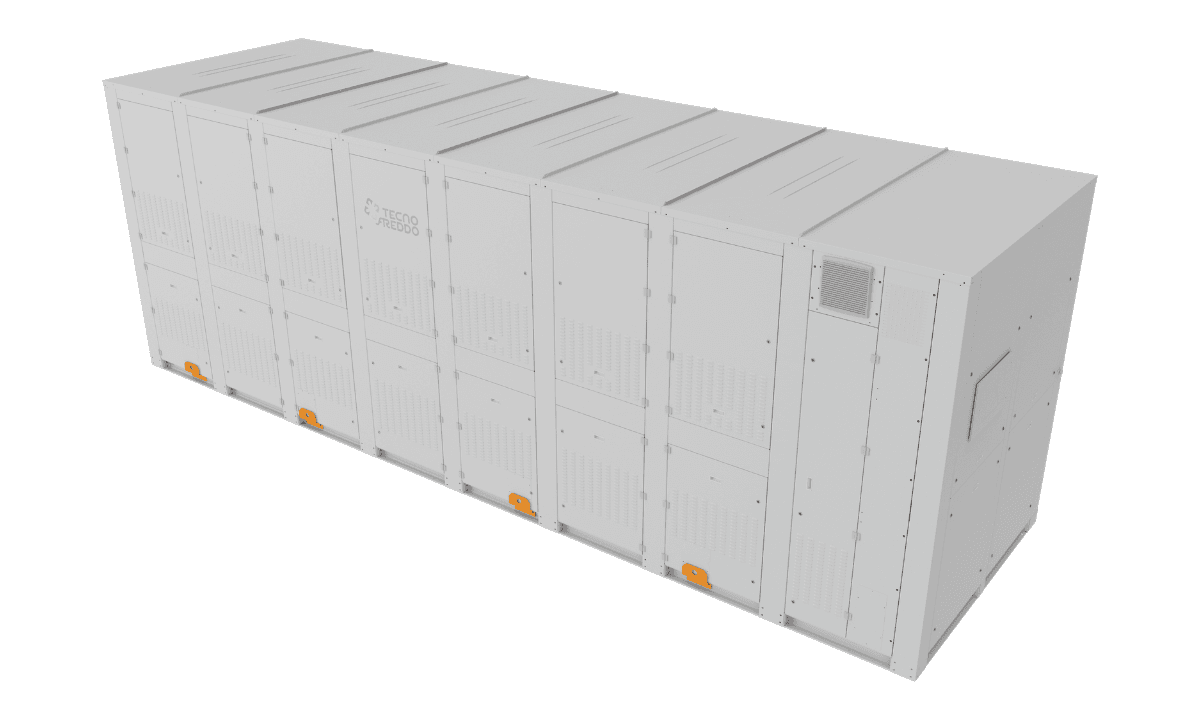
The extensive renovation at the Stamford store included replacing all existing refrigeration equipment with two Hillphoenix CO2 booster racks and installing 106 new medium- and low-temperature display cases from Hillphoenix and Bohn, many with energy-saving doors. The racks deliver a total cooling capacity of 387.7kW (110.2R) for the store’s medium-temperature applications and 124.9kW (35.5TR) for low-temperature needs.
The system also features electric defrost and a TrilliumSeries adiabatic cooler from Baltimore Aircoil Company, which uses roughly 5% less electricity than a dry cooler, according to Sigg.
“Given the store’s location in southeastern Connecticut, a dry cooler was feasible,” he noted. “But the adiabatic option provided better efficiency.”
Beyond refrigeration, the remodel included upgrading lighting to energy-efficient LED fixtures and replacing some HVAC units. All HVAC units, both new and existing, use synthetic refrigerants, he noted. Across the whole remodel, the store has reduced its energy consumption by around 15%. Thanks to these improvements and the use of a low-GWP refrigerant, the store now qualifies for a Platinum GreenChill Store Certification from the U.S. Environmental Protection Agency (EPA), explained Sigg.
Recognizing the complexity and cost of the remodel, Cingari Family Markets secured a $500,000 (€428,000) utility rebate in part due to the adoption of natural refrigerant-based technologies.
Meticulous planning
To keep the store fully operational during the 10-week transition, the installation process was carefully phased. The new CO2 racks were installed in a separate location from the existing system, and all piping was completed ahead of the equipment swap to minimize downtime.
For commissioning, the walk-in cold rooms served as the initial test load, a strategy that has since been adopted in Wakefern’s other remodel projects.
A detailed utility study ensured that the store’s infrastructure could temporarily support two new CO2 racks alongside the four existing R404A racks during the transition. Although all six systems would not operate simultaneously, the planning allowed for a seamless handover between systems.
“Successfully remodeling a store with CO2 requires three things, phasing planning and the right team,” said Sigg. “Meticulous planning is paramount to success.”
“Successfully remodeling a store with CO2 requires three things, phasing planning and the right team. Meticulous planning is paramount to success.”
Joe Sigg, Senior Project Engineer at Wakefern