Rivacold CO2 CDUs and R290 Monoblocs Enable Sustainable Retrofit at Vermont Food Co-op
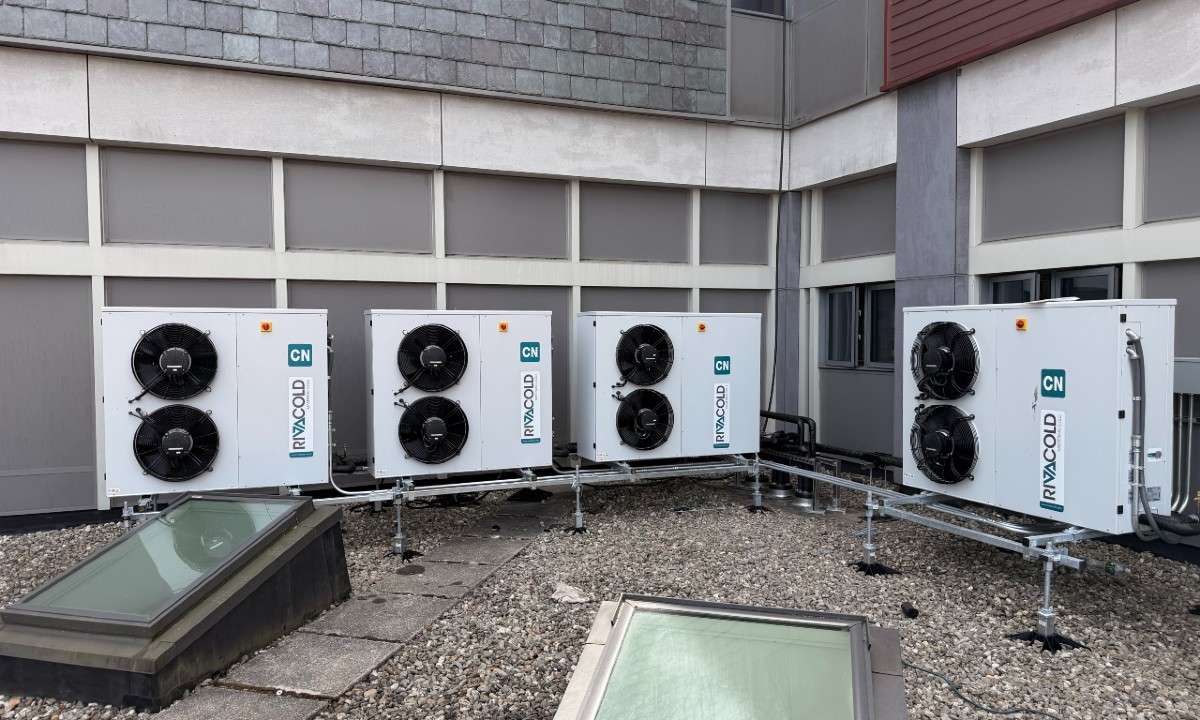
The units, totalling 32.1TR of capacity, support a piecemeal solution for the space- constrained store, according to contractor Turner Piping.
The Roxsta G6 unit will blast-freeze steamed dumplings at an evaporating temperature of −42°C at the Bethlehem facility.
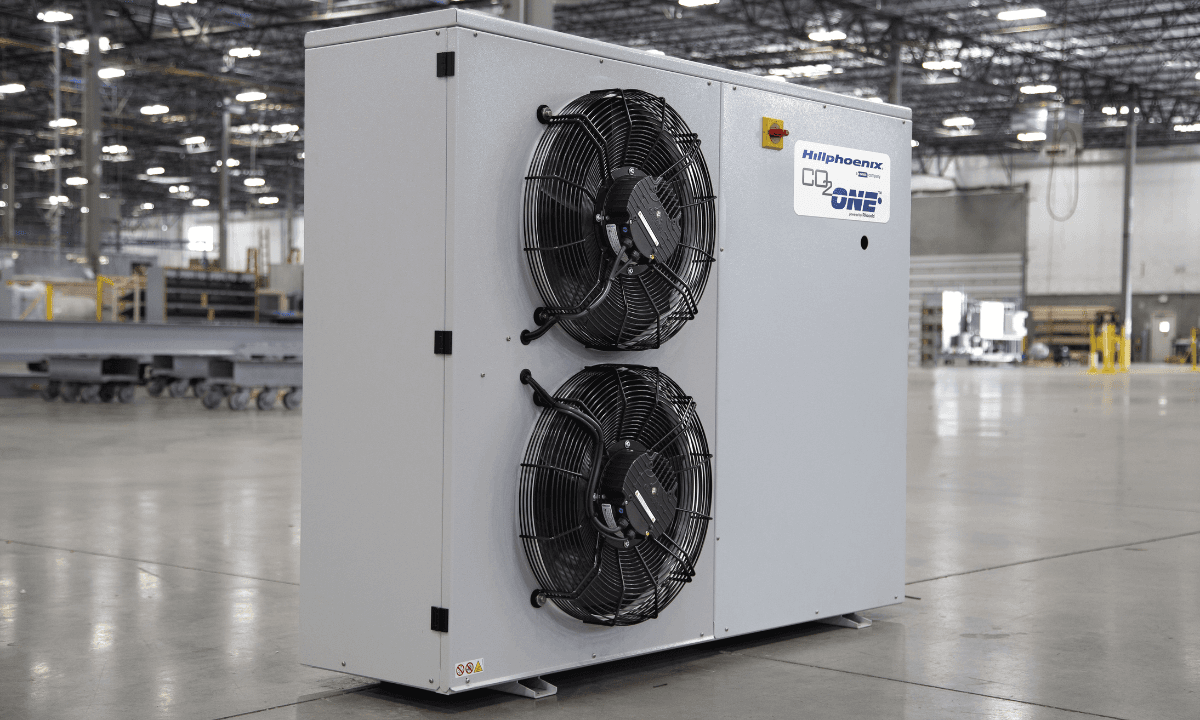
NaturalRefrigerants.com spoke with leaders at Danfoss, Heatcraft, Hillphoenix Kysor Warren Epta US and Zero Zone about the development of the CO2 CDU market in North America.
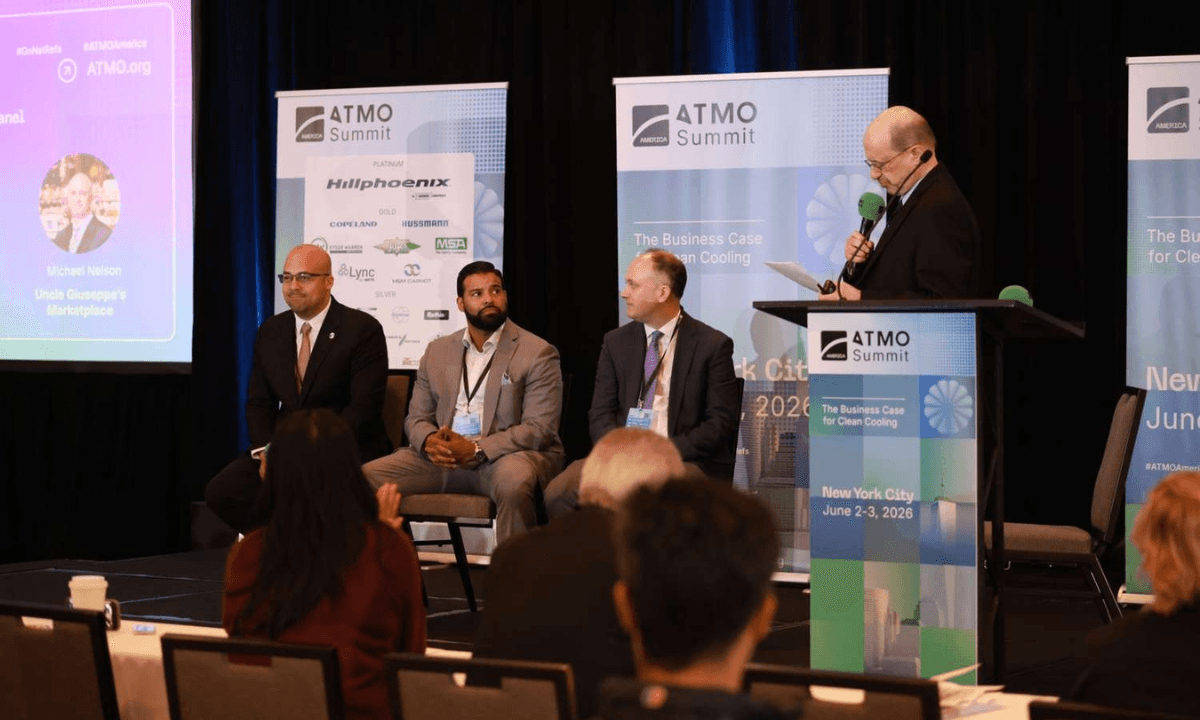
Despite a 15‒16% CO2 CAPEX premium, Uncle Giuseppe’s projects a six-year ROI through lower energy and refrigerant costs.
Five stores in the southern U.S. will use FTE technology to increase efficiency in warm climates.
In addition, the retailer will pay a $2.5 million civil penalty for failing to promptly repair R22 refrigerant leaks.
Green America and EIA invite consumers to sign a letter to Kroger’s CEO urging him to phase out HFCs in all facilities by 2030.
Over one third of Kroger’s shareholders have voted in favor of a resolution requiring the chain to issue a report on its plans to ‘address its HFCs.’
In 2025 members of the Boston Green Ribbon Commission visited the 30MW CO2 seawater heat pump system in Esbjerg, Denmark.
Danfoss and Dorin currently offer six-cylinder units, with both expecting to introduce eight-cylinder compressors around 2027.
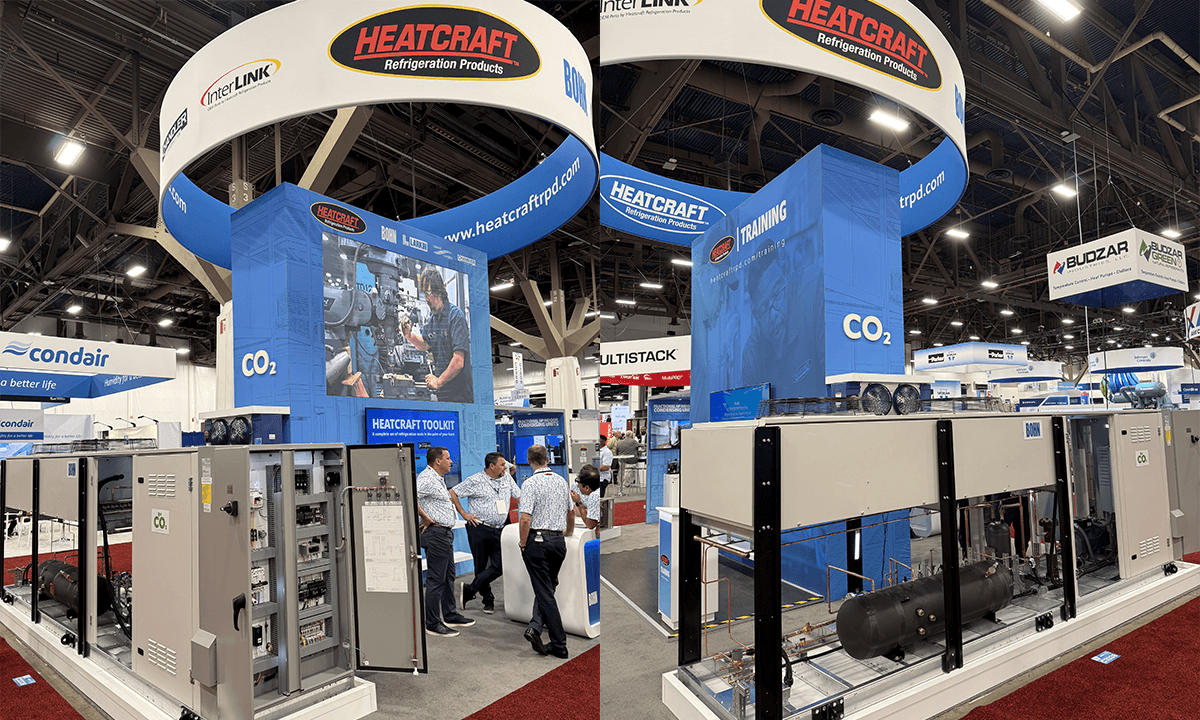
The U.S. manufacturer is also opening a new training center at its Georgia facility, with certification programs covering CO2 applications.
The company’s BiOS line, designed for −80°C biological sample storage and management, now operates with CO2 and hydrocarbon refrigerants.
The ANSWR unit, connected to geothermal and outdoor air heat sources, will meet the base HVAC load of the 100,000ft2 union building.
Since becoming a standalone company in 2023, Copeland has launched over 120 new products and 430 patents, says CEO.
The system will deliver steam at over 300°C and up to 50bar pressure using the city’s existing infrastructure, says Everllence.
The reflective panels kept a Texas CO2 store operating subcritical all summer, according to Target’s Director of Refrigeration.
Shifting from fossil fuel-based boilers to heat pumps in industrial applications could also provide roughly $350 billion in climate benefits.
Morgan Vanzo, Senior Director of the NASRC, shares how the organization’s R-TRADE program is equipping technicians to work with natural refrigerants.
The company operates a collaborative CO2 lab in Ohio and supports industry education with open knowledge sharing.
Units from Gradient and Midea are part of a pilot project being run by the New York City Housing Authority.
Cingari Family Markets has already remodeled three of its 12 ShopRite stores, with three more currently in the design stage.
The logistic provider’s newest warehouses include a 600TR ammonia system in Missouri and a 240TR CO2 system in New Brunswick, Canada.
The prevalence of HFO byproduct TFA in the environment and its potential toxicity belie a new report by the Montreal Protocol’s TEAP that TFA poses little risk, the delegates say.
The 30TR system from G&D Chillers supports the Colorado brewery’s CO2 recovery equipment.
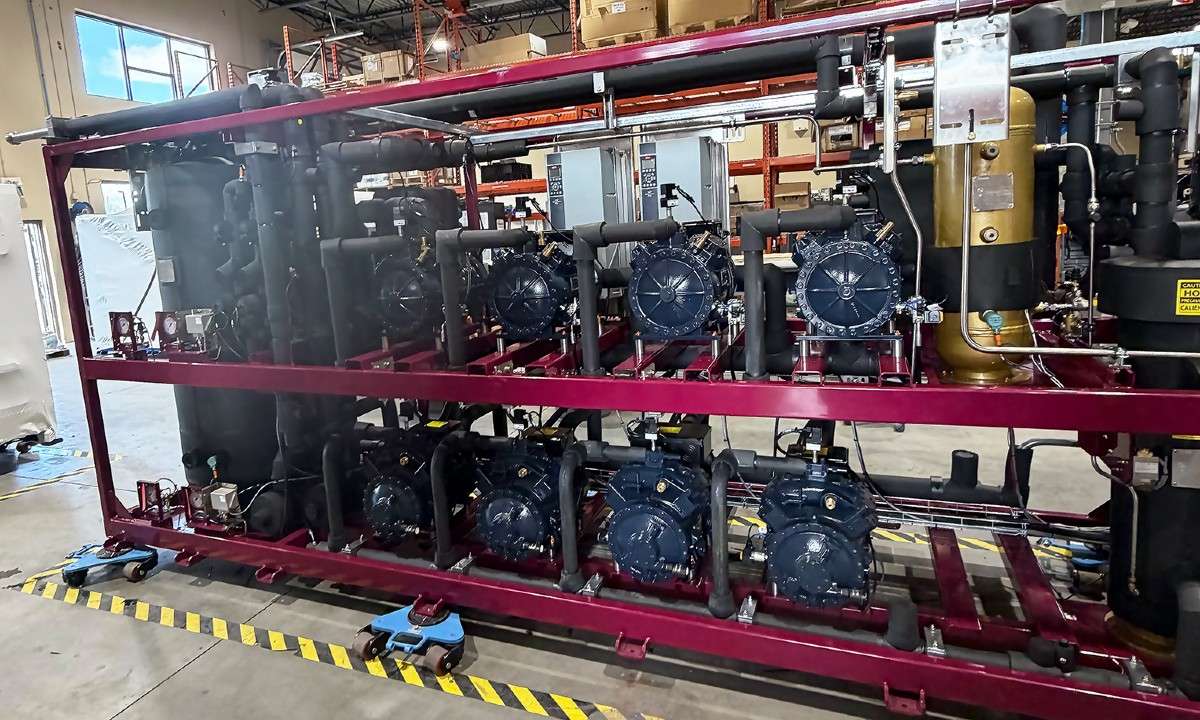
The new R744-based distributed rack system offers a sustainable retrofit solution with minimal operational disruption, the manufacturer says.
The facility will conduct both R290 and CO2 research and system-level testing, according to TCCI’s President, Richard Demirjian.
The line offers 0.5‒165TR refrigeration capacities in a smaller footprint than the company’s Elite 290, with variable speed fans.
The units offer a saturated suction temperature range from −32 to 35°F, with extended options dropping to −50°F for colder applications.
The mCHILLER TAKA unit is designed for industrial, semi-industrial and commercial applications, serving cooling capacities of 52kW to 1.7MW.
The company is also making its CO2 ejector manager and STone, a programmable total store controller, available in the U.S.
There were an estimated 4,970 North American supermarkets and industrial sites using R744, along with 1,230 low-charge ammonia installations and 4.6 million hydrocarbon refrigerated display cases.
Wilo plans to launch an up to 30HP in-line pump with variable speed drive and a 4-to-8in unit with a 1.5‒150HP range.
The unit, which is not yet commercially available, can produce hot water temperatures up to 65.6°C with a 55.6°C lift.
According to the Canadian OEM, universities are choosing CO2 heat pumps for their district energy networks due to the technology’s sustainability and favorable lifecycle costs.
The company has brought an electronic sight glass, a no-calibration liquid level probe and an extended liquid level switch to the show.
The company can now go from producing hundreds of units per year to thousands and eventually tens of thousands, according to its CEO and Co-Founder.
Brian Bonar spoke with NaturalRefrigerants.com about the company’s new commercial CO2 heat pump, coming to market in 2025.
The unit replaces boilers for industrial processes, using the ammonia from the cooling system’s condensers as a heat source.
At the GreenChill supermarket awards ceremony at FMI Energy & Store Development Conference in Orlando, Florida. From left: Kersey Manliclic, EPA; Kari Watts, Target; Erich Schwab, Target; Bella Maranion, EPA.
CoilPod’s dust hood and impending pre-cleaner aim to keep condenser coils in commercial plug-in cases clean, thereby cutting energy costs.
More than 10% of its sites are fully running natural refrigerant technologies, with an additional 10% to be added by the end of 2023.
The U.S. Department of Energy (DOE) announced last week that it had given a $3-million grant to develop a low-cost, long-duration electrical energy storage system that uses a CO2 heat pump. This…
The Norwegian company is eyeing the North American market with UL certification underway and field testing slated for 2025.
Amazon, Costco and Walmart are some of the companies providing financial support to the program.
‘We are selling roughly 50% more CO2 compressed gas than we were a year ago,’ says Eastern U.S. supplier.
Interest has been rising as European supermarkets gain confidence in the technology, according to Gaku Shimada, GM of Panasonic’s Condensing Unit Engineering Department.
The Canadian company has installed more than 430 transcritical CO2 systems, with one as far south as Costa Rica.
Flō Energy Solutions told NaturalRefrigerants.com that multiple grocery store chains will install the technology at stores this winter.
The company will build a pilot-scale system capable of generating over 300°C air from ambient sources for industrial applications.
The company’s sales manager outlines the completed patent application details to NaturalRefrigerants.com.