David Osma, Project Engineer at Colombia-based TEKO Américas, said CO2 (R744) refrigeration has reached an “inflection point” in Latin America.
“Anything that’s new, people will ask if it’s CO2,” said Osma. “The end users already know what CO2 is. Before, they didn’t really understand why they should move to CO2, and now it’s entirely different. Both industrial end users and supermarkets are considering the option.”
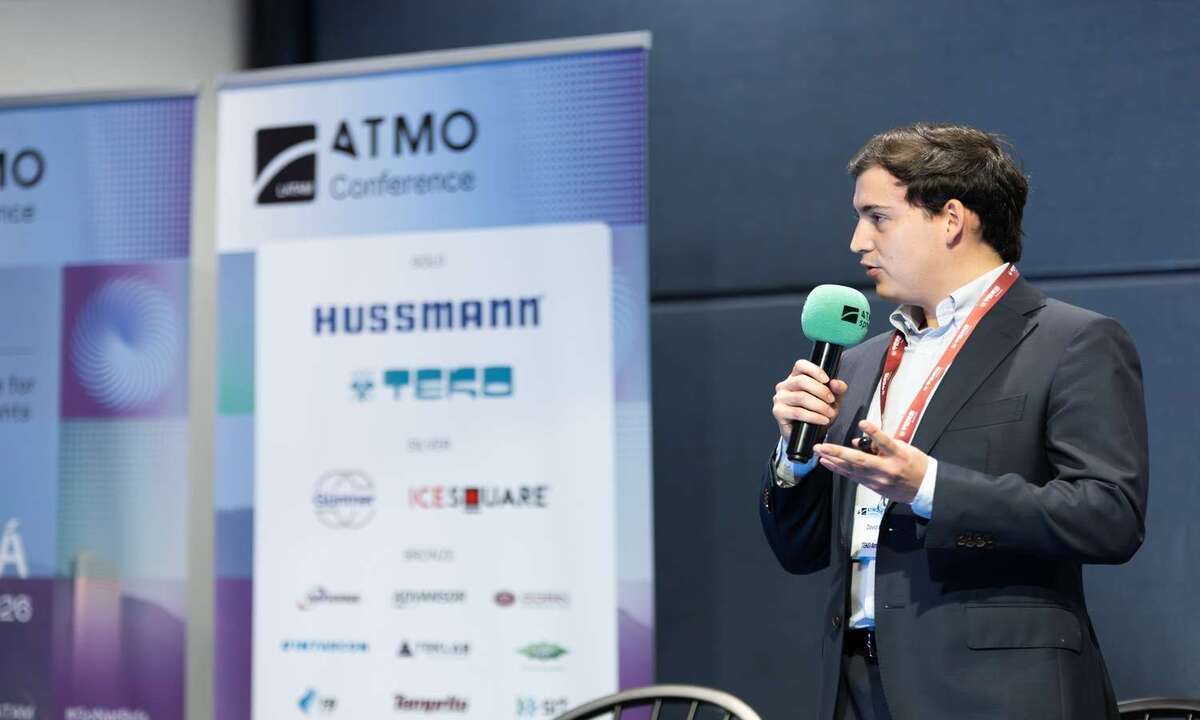
Osma shared his insights into the market during a presentation at ATMOsphere (ATMO) LATAM 2026. The event was held in Bogotá, Colombia, March 9–10.
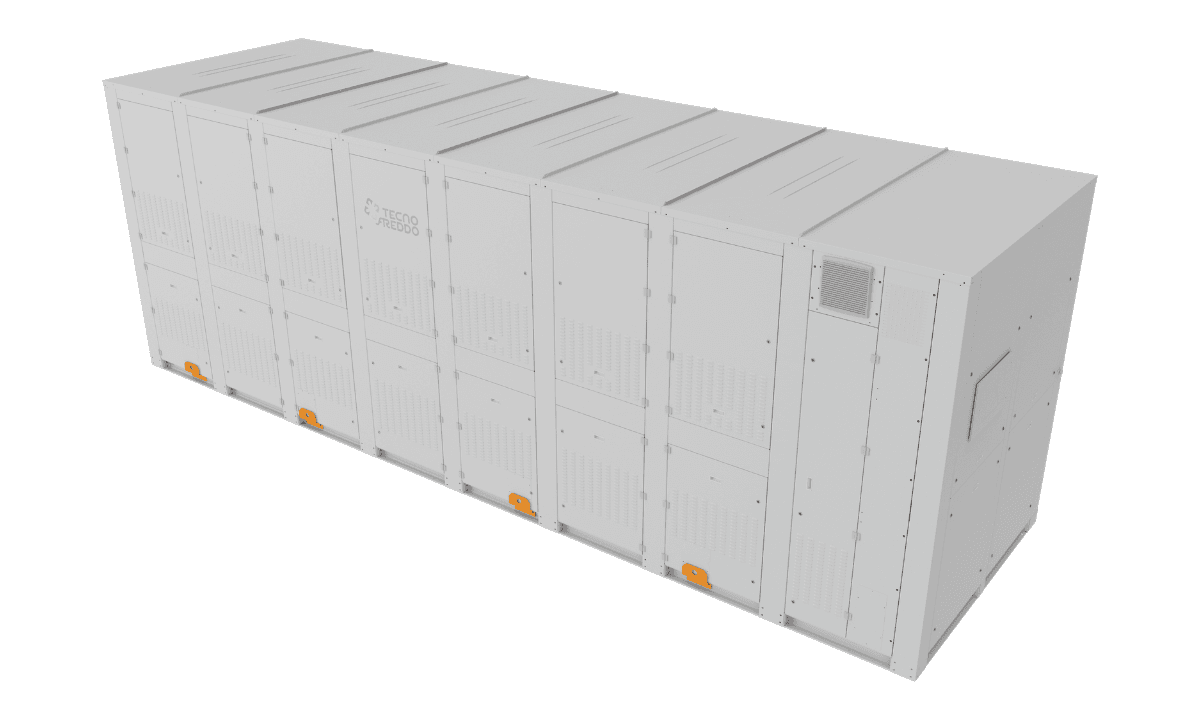
TEKO Américas was founded in 2022 as a joint venture between Germany-based CO2 refrigeration systems manufacturer TEKO and Colombia-based refrigeration systems manufacturer Weston. Osma said that TEKO Américas has installed more than 100 CO2 racks in Latin America as of December 2025, the majority of which are in Colombia, with additional installations in Chile, Mexico, and Ecuador.
While CO2 refrigeration is spreading throughout Latin America, Osma noted that 10 years ago, end users “had doubts” about the technology. The first CO2 systems in the region, installed in the mid-2010s, were cascades with R134a and R404A. Transcritical CO2 systems were seen as difficult to work with and supply.
“At first, those who opted for CO2 [projects] were multinational companies with a head office in Europe,” said Osma. “In the past, people didn’t understand why they should transition to using CO2, but now things are entirely different.”
Over the past few years, the number of trained technicians and installers in the region has increased, making it easier for companies to adopt CO2 systems. According to Osma, the turning point came recently when end users themselves began asking about sustainable solutions.
Awareness and adoption
The keynote speaker for ATMO LATAM 2026 was Cencosud, a Chile-based food retailer with stores in five South American countries and the United States. The company has moved 22 stores to transcritical CO2 refrigeration and will convert an additional 10 stores to CO2 in 2026. An increased focus on environmental goals, both at the company and country levels, is driving the transition. Even smaller chains are making the switch, Osma said.
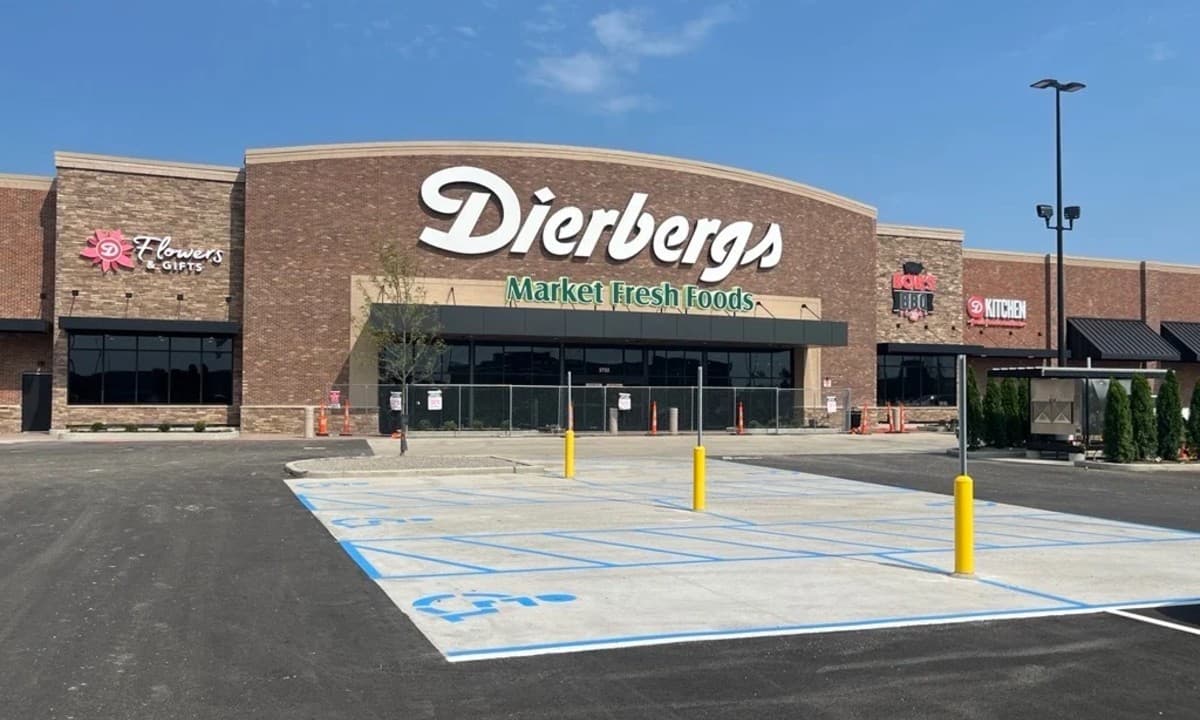
“Three years ago, here in Colombia, many regional chains did not have an installation, and now most have begun with CO2 [adoption],” Osma said.
“Three years ago, here in Colombia, many regional chains did not have an installation, and now most have begun with CO2 [adoption],”
David Osma, Project Engineer
TEKO Américas
Adoption is growing despite current financial challenges. Osma said that for medium-sized supermarkets, it is very difficult to make an investment due to high interest rates. “This is a challenge, and it is different to do a project in Latin America,” Osma added.
He highlighted that there have been companies financed by what he described as “green credit lines,” allowing a project to move further. Green credit lines refer to low-interest loans provided by banks specifically for eco-friendly projects such as CO2 refrigeration. To drive further adoption, Chile and Colombia have implemented fiscal incentives such as VAT acceleration to help businesses transition to more sustainable technologies.
Workforce challenges
Even though the market is moving towards greener solutions, workforce challenges persist. While some companies have their own maintenance equipment and their own installers, “it’s difficult to find qualified personnel,” Osma said.
He emphasized that workers need to be trained. To tackle this issue, private manufacturers, he explained, have started organizing training centers. Additionally, local authorities are also working to educate potential workers while adding CO2 modules to their training programs. Brazil opened its first natural refrigerants training laboratory in July 2025, completed with a simulated mini supermarket equipped with a propane (R290)/CO2 cascade refrigeration system.
“There is still a lack of personnel in secondary cities and more distant regions,” he explained. While for main cities, the shortage is no longer an outstanding problem, more remote locations are struggling with finding trained workers.