A consortium of seven major U.S. corporations – Amazon, Autodesk, Figma, Google, JPMorganChase, Salesforce and Workday – has launched the Superpollutant Action Initiative to deploy $100 million (€87.129 million) in projects that reduce high-GWP superpollutants such as f-gas refrigerants and methane.
Part of the initiative will focus on how companies can reduce their refrigerant emissions through supplier engagement.
The initiative is led by the Beyond Alliance, a business coalition focused on scaling corporate funding for climate solutions. The Beyond Alliance has selected the Carbon Containment Lab, a research and educational nonprofit, as its partner for developing a global roadmap highlighting how companies can support progress on superpollutant action.
The seven companies and others that join the initiative “will each identify and fund high-impact projects targeting superpollutants around the world,” said the Beyond Alliance in announcing the program. Companies interested in joining the Superpollutant Action Initiative can contact info@beyond-alliance.org.
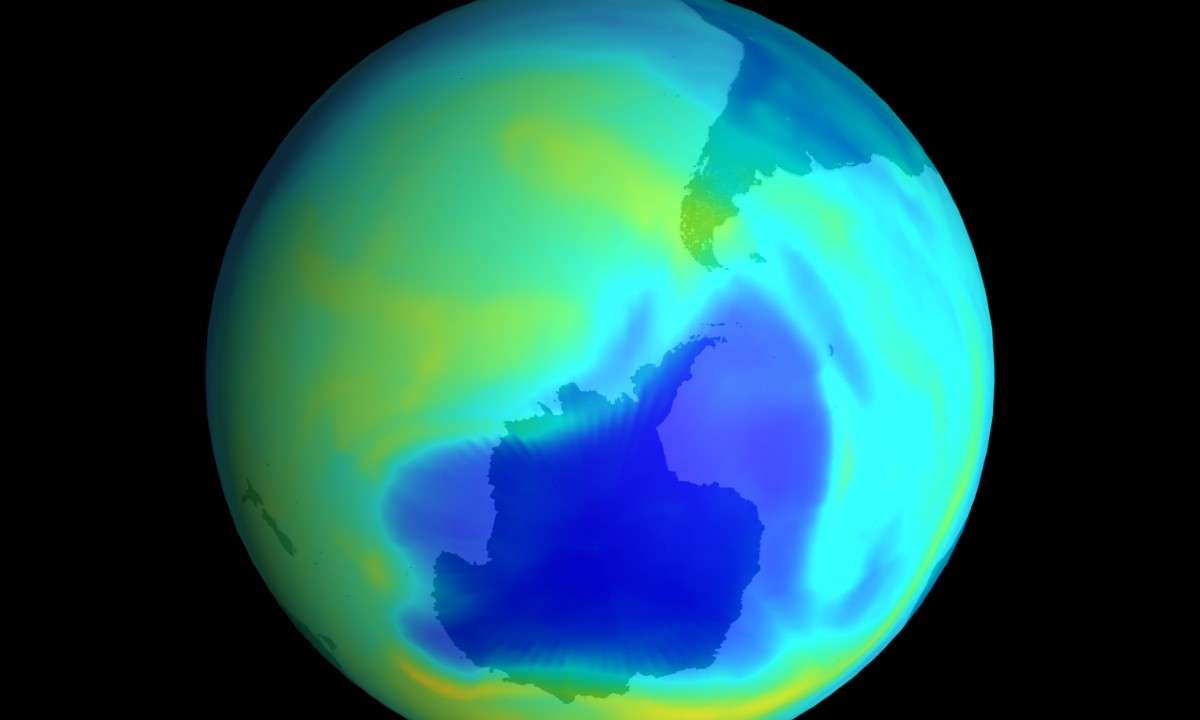
Superpollutants are powerful warming agents such as fluorinated refrigerant gases, methane and black carbon that are responsible for roughly half of all climate warming to date and can contribute to harmful air pollution, according to the Climate Containment Lab. Cutting superpollutant emissions avoid more than 0.5°C (0.9°F) of warming by 2050, said the Beyond Alliance.
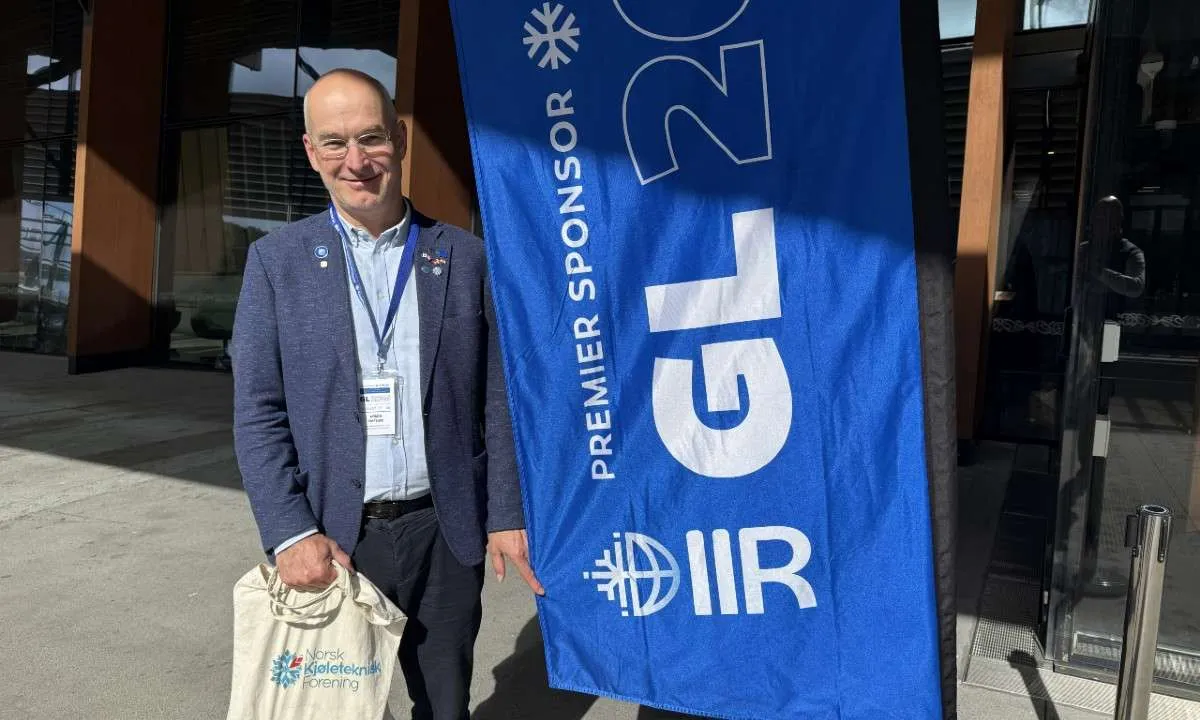
“We and a growing number of other companies care a lot about doing our part to solve the global problem of superpollutants, including HFCs, however and wherever we can, and today we’re putting our money where our mouth is,” said Randy Spock, Carbon Credits and Removals Lead for Google, on March 5 in announcing the Superpollutants Action Initiative at the Yale Cooling Conference 2026 at Yale University in New Haven, Connecticut. “We’ll be directing $100 million from now through 2030 toward projects that can pinpoint and eliminate superpollutants around the world.”
“We and a growing number of other companies care a lot about doing our part to solve the global problem of superpollutants, including HFCs, however and wherever we can, and today we’re putting our money where our mouth is.”
Randy Spock, Carbon Credits and Removals Lead for Google
The initiative’s global roadmap will outline how and where private capital can be deployed to achieve the greatest impact and will be made publicly available later this year to enable other companies, investors and governments to accelerate progress. “We want to help bring people into the fold of what can be done here,” said Anastasia O’Rourke, Senior Managing Director of the Carbon Containment Lab, at the Yale announcement. “We’re kicking this work off now; please get in touch if you’d like to get involved.”
Additionally, Beyond Alliance, in collaboration with Calyx Global, is launching the Superpollutant Academy, which is a training program for buyers of carbon credits related to reducing superpollutants. The academy begins March 18 and meets weekly until May 13.
The launch of the initiative has been welcomed by leading organizations working to accelerate action on superpollutants, including Cascade Climate, the Clean Air Fund, the Climate and Clean Air Coalition, the ClimateWorks Foundation, the Environmental Defense Fund, the Global Methane Hub, and the Super Pollutant Action Alliance.
Scope 3 Refrigerant Initiative
Another participant in the Superpollutant Action Initiative is êffecterra, which is focused on fluorinated refrigerant emissions in what is called the Scope 3 Refrigerant Initiative. The sustainability consulting firm is working with the Beyond Alliance to launch a request for information (RFI) and request for proposal (RFP) process, focusing on “how large corporate commercial entities can intentionally invest in reducing their refrigerant emissions through supporting supplier engagement,” said Zoe Dawson, Technical Sustainability Program Leader for êffecterra and President of the Refrigerants Emissions Elimination Forum (REEF), at Yale.
Dawson described this as a “carbon insetting” approach to reducing scope 3 emissions, as opposed to the traditional carbon offsetting approach.
The initial RFI, launched in March 2026, will gather market feedback on the technical and commercial feasibility of refrigerant-reduction strategies across the value chain. Insights from the RFI will inform a subsequent RFP, aimed at identifying credible, scalable investment opportunities by the end of 2026.
Fluorinated refrigerant emissions account for an estimated 3–4% of global greenhouse gas emissions today, said the Beyond Alliance, adding that their climate impact already exceeds that of cement (3%), aviation (1.9%), and shipping (1.7%), and represents roughly half of total commercial building emissions (6.6%).
“As global demand for cooling accelerates this century—alongside electricity grid decarbonization and transportation electrification—refrigerant emissions will grow in relative prominence and climate significance,” added the Beyond Alliance. “From the construction and operation of commercial buildings to the management of data centers and real estate portfolios, refrigerants represent a material and under-addressed emissions source for companies across sectors.”