IIAR Seeks to Streamline U.S. Safety Rules for Ammonia Refrigeration
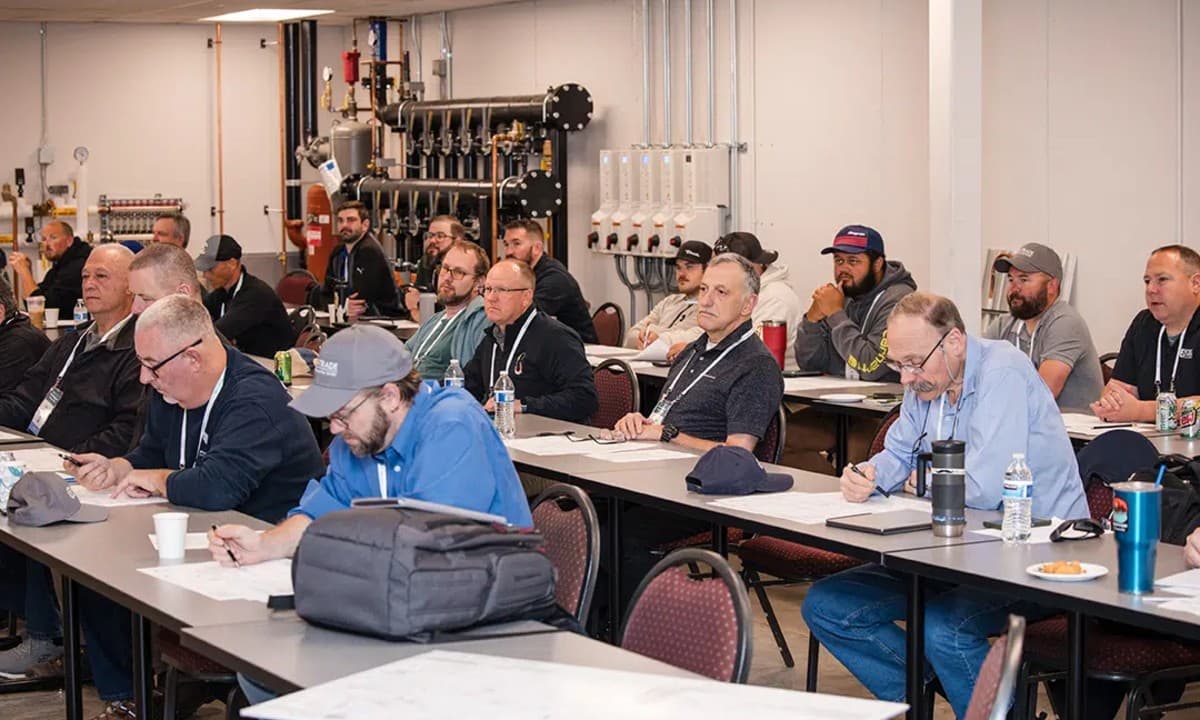
A task force has begun discussion with EPA about eliminating regulatory overlap with OSHA and deferring to IIAR standards, among other changes.

A task force has begun discussion with EPA about eliminating regulatory overlap with OSHA and deferring to IIAR standards, among other changes.

The NGO is part of a consolidated lawsuit challenging delays in low-GWP-refrigerant requirements.

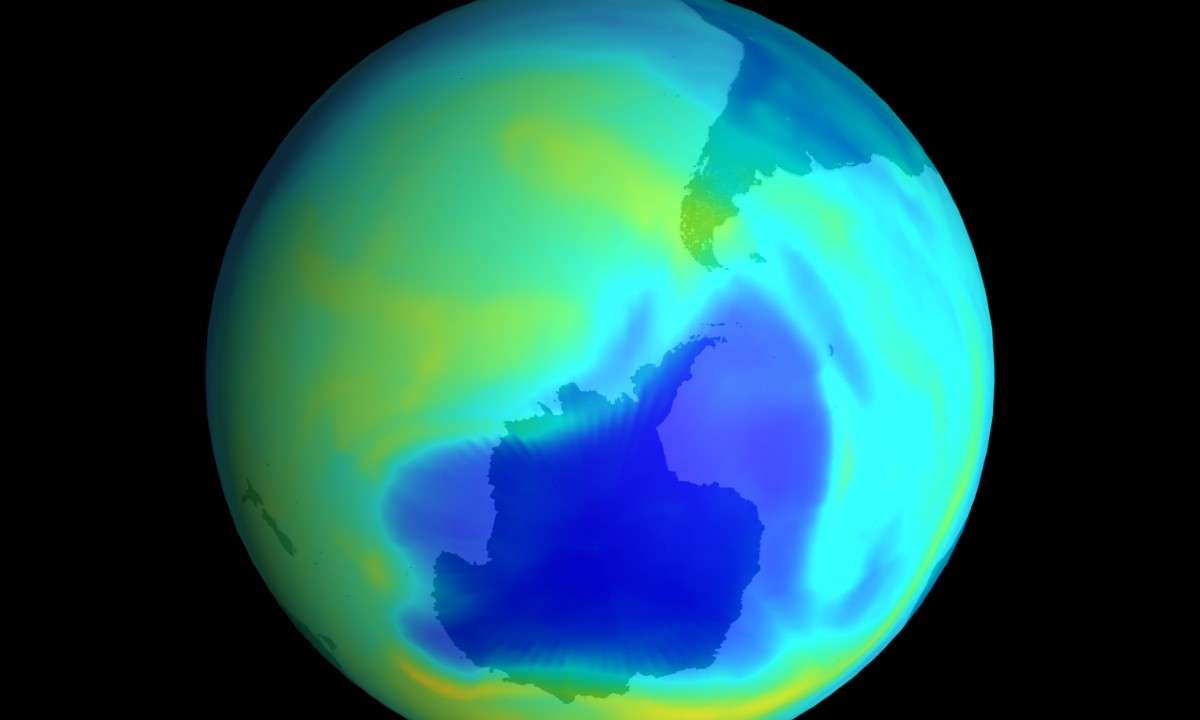
Led by Empa, researchers estimate CCl4 emissions amount to 4.3% of production, contributing to seven-year delay in restoration of ozone layer.

Eighteen states and two localities follow trade groups in asking courts to reverse delays in lowering allowable GWP of refrigerants in commercial and industrial refrigeration.

TFA, an HFO byproduct, is among 30 chemicals under review; the agency is holding webinars on the topic on August 11 and 12, with written feedback due August 31.

Intended to support consumer protection regulations, EFSA’s updated ADI and ARfD values are based on recent animal studies that showed TFA reducing levels of a thyroid hormone.

Suzanne Hagell of the NYSDEC explains how natural refrigerant-based systems help the state achieve the HFC-reduction goals it established in its updated regulations.

In the wake of heat waves, the NGO supports the adoption of passive cooling and energy-efficient air-conditioning that use refrigerants like propane rather than HFCs and HFOs.

New Addendum A helps to calculate minimum discharge capacity for relief valves; IIAR research committee is looking at pressure-discharge piping and low-side pressure.

The Alliance for Responsible Atmospheric Policy, HARDI, PHCC and ACCA also oppose extension of deadlines for commercial refrigeration applications to switch to lower-GWP refrigerants.

Pascal, MIMiC Systems and Magnotherm are at different stage of development with systems that generate cooling and heating with solid materials rather than gases.

Êffecterra is developing a CO2 chiller/heat pump while DMG North offers training on a CO2 heat pump; Aris Hydronics is piloting R290 air-to-water heat pumps while UC Davis is researching advances in R290 air-to-water heat pumps.

The manufacturer’s new report calculates past and future generation of the ultrashort-chain PFAS in the atmosphere, pointing out the availability of natural alternatives.

Five stores in the southern U.S. will use FTE technology to increase efficiency in warm climates.

Supermarkets and other end users will be able to meet with several organizations that offer financial assistance next week in Tarrytown, New York.

University of Milan researchers find f-gas byproduct TFA’s effects on the immune system in lab tests are similar to those of known immunotoxicant PFOS.

The agency also proposes an exemption to leak repair requirements for transport refrigeration units.

Over the last several years, the OEM has established a ‘platform portfolio’ of modularly designed products that can be built on high-speed assembly lines and cover the breadth of applications needed to support food retailers.

McCollum in the House and Durbin in the Senate introduce bill that defines PFAS as having one fully fluorinated carbon atom, changing EPA’s definition.

Claiming the HFC regulations drive higher costs, the bills follow a lawsuit by trade groups that would eliminate the regulations altogether.

On June 1 CEO John DeCicco Jr will host a tour of his Sleepy Hollow, New York, store’s CO2 and advanced heat reclaim system, which he will discuss the next day at ATMO America in nearby Tarrytown.

The National Supermarket Association, serving urban independent stores, posts position paper outlining obstacles to adoption of CO2 and R290 systems that would comply with ambitious state regulations.

The European Chemicals Agency has invited stakeholders to comment until May 25 on the draft opinion of its SEAC Committee on the proposed restriction of PFAS, including f-gases.

Transcritical CO2 was selected as the refrigeration system at 1,470 out of more than 2,000 new sites in survey of large chains.

Diffusers reduce ammonia-based cooling time of turkey rolls by two to three hours.

Seven U.S. companies have pledged $100 million to the program, which includes cutting refrigerant emissions through supplier engagement.

CO2 systems in particular were featured in numerous retail and industrial installations at the Bogotá conference.

The unit supports smaller CO2 racks and condensing units, accommodating convenience stores and small supermarkets while enabling remodels of larger stores, Copeland says.

AHRI and HARDI continue to argue for annulment of New York State HFC regulations based on concerns about enforcement, cost and the availability of compliant refrigerant.

The AHRTI will lead the research, which would facilitate the use of higher propane charges in standards and the adoption of ATWHPs in the North American market.

Previously published in Norwegian and German, Propane, Naturally Safe is a best-practice guide for heat pumps and refrigeration systems using R290 and other A3 refrigerants.

They attribute the drop to the reduction in usage of short-lived precursor HFO-1234yf, notably in car air-conditioning.

Two antibodies that can sometimes disrupt thyroid function were monitored in a small number of firefighters who were tested for PFAS, including TFA, but the results to date are inconclusive.

A new Danfoss whitepaper reports an 83% reduction in vibrations of compressors compared to legacy CO2 units.

The three-day February event in Poughkeepsie will offer commercial and industrial technicians classroom and some hands-on sessions as well as an exhibit hall featuring natural refrigerant products and services.

As of January 12, member states must measure either total PFAS, including TFA, or the sum of 20 PFAS, with limits of 0.5mcg/L and 0.1mcg/L, respectively.

January 1 deadlines addressed by reconsideration of the rule apply to 150/300 GWP limits for cold storage and remote condensing units and to HVAC installation.

The AHRI and HARDI may appeal the ruling, which maintains New York’s aggressive restrictions on the HFC refrigerants.

The Industrial Refrigeration Consortium, based at the University of Wisconsin, helps U.S. food processors and warehouses optimize refrigeration systems using ammonia or other natural refrigerants, explains Director Doug Reindl.

The award-winning unit, already available in Europe, features dynamic vapor injection that eliminates the need for parallel compression.

New Yorkers for Cool Refrigerant Management is recognized for organizing local appliance pickups that prevent the emissions of hundreds of thousands of pounds of CO2e.

Coop Denmark, led by chemical strategy manager Malene Teller Blume, decided to eliminate PFAS in its products years before other companies and policymakers acted.

The move is a reflection of the growing adoption of transcritical CO2 systems in the industrial market and the uptick of Hillphoenix’s industrial CO2 business.

Saudi Arabia, India, the U.S. and Australia opposed a plan to cut emissions of feedstocks like HCFC-22 and carbon tetrachloride used in the production of HFOs, report environmental groups.

The financial sector is in a position to shape retail behavior and cut cooling-related CO2e emissions, says Senior Climate Campaigner Fionnuala Walravens.

Energy Recovery’s PX G1300 device provided up to 15% in annual energy savings and up to 460,000gal in annual water savings, the company says.

Proposed Rule 27 includes an option for accepting refrigerants based on certification by a Nationally Recognized Testing Laboratory.

The award recognizes Copeland’s transcritical CO2 scroll compressors with dynamic vapor injection technology.

In EPA hearing manufacturers, trade groups and NGOs largely reject proposal to postpone lower refrigerant GWP limits to 2032.

It needs to be finalized before January 1, 2026, or the original rule will take effect, creating confusion, noted FMI Energy conference speaker Keilly Witman.
No products in the cart.