The number of commercial and industrial sites in the U.S. and Canada using transcritical CO2 (R744) refrigeration increased by around 45% in 2024 to 4,970, according to Natural Refrigerants: State of the Industry 2024, a new report from ATMOsphere, publisher of NaturalRefrigerants.com.
The North American market added 1,542 transritical CO2 systems from 2023 to 2024, and while this growth is significant, the region continues to trail behind Europe and Japan, where transcritical CO2 installations stand at 95,600 and 12,720, respectively.
The report also reveals that an estimated 1,230 industrial sites in the region are using low-charge ammonia (R717) systems, and around 4.6 million self-contained hydrocarbon refrigerated cabinets – primarily propane (R290) models – are installed in food retail stores.
Several factors are driving this transition, including national regulations like the American Innovation and Manufacturing (AIM) Act and updated safety standards that have increased hydrocarbon charge limits in self-contained cases. The report also examines emerging trends that could impact the industry, such as potential shifts in U.S. policy following the 2024 presidential election and increasing global concerns surrounding per- and polyfluoroalkyl substances (PFAS).
The full report can be downloaded for free here.
Commercial refrigeration
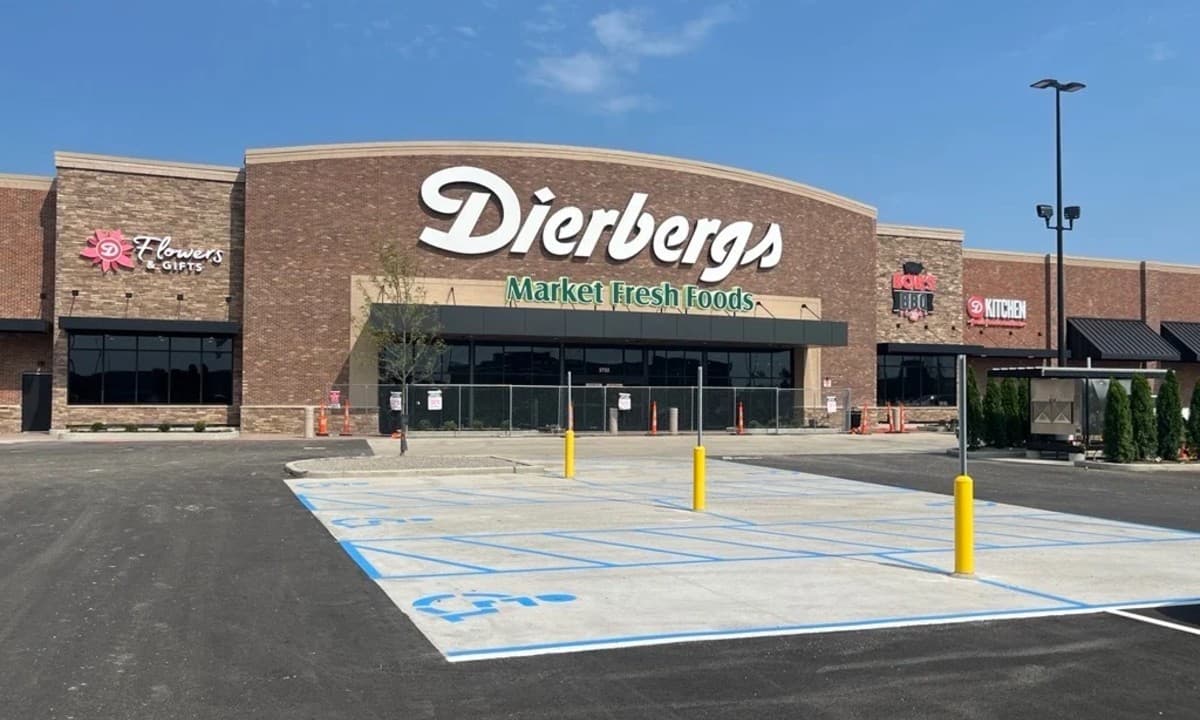
In 2024, the U.S. and Canada had an estimated 70,562 supermarkets and grocery stores, of which, 5.8% – around 4,090 – were using transcritical CO2 refrigeration systems, up from 4.1% in 2023. Major retailers embracing this technology include Aldi US and Kroger. As of late-2024, Aldi US had deployed transcritical CO2 systems at 745 of its stores as part of its commitment to transition to natural refrigerants by 2035. Kroger, which had 12 R744 stores as of July 2024, has announced that it will install transcritical CO2 refrigeration units in all of its new stores from 2025.
When factoring in the region’s 161,828 convenience stores, however, the adoption rate of CO2 systems drops to 1.8%, underscoring the limited penetration of R744 technologies in this segment. This trend varies significantly from other parts of the world, such as Japan, where 20% of the country’s 55,692 convenience stores use transcritical CO2 refrigeration systems, in large part due to the abundance of R744 condensing units.
The expansion of food retail businesses across North America has been a key driver for the adoption of CO2 refrigeration, with most installations occurring in new stores rather than retrofits. In the U.S., only 7% of transcritical CO2 installations were retrofit projects, compared to 24% in Canada. Since 2021, the number of food retail stores has grown by around 20% across the continent.
According to a survey conducted by the North American Sustainable Refrigeration Council (NASRC), transcritical CO2 adoption is expected to surge, with the number of stores using the technology projected to increase by 176% between 2024 and 2028. The survey covered 14 major U.S. food retail companies representing more than 28,000 store locations.
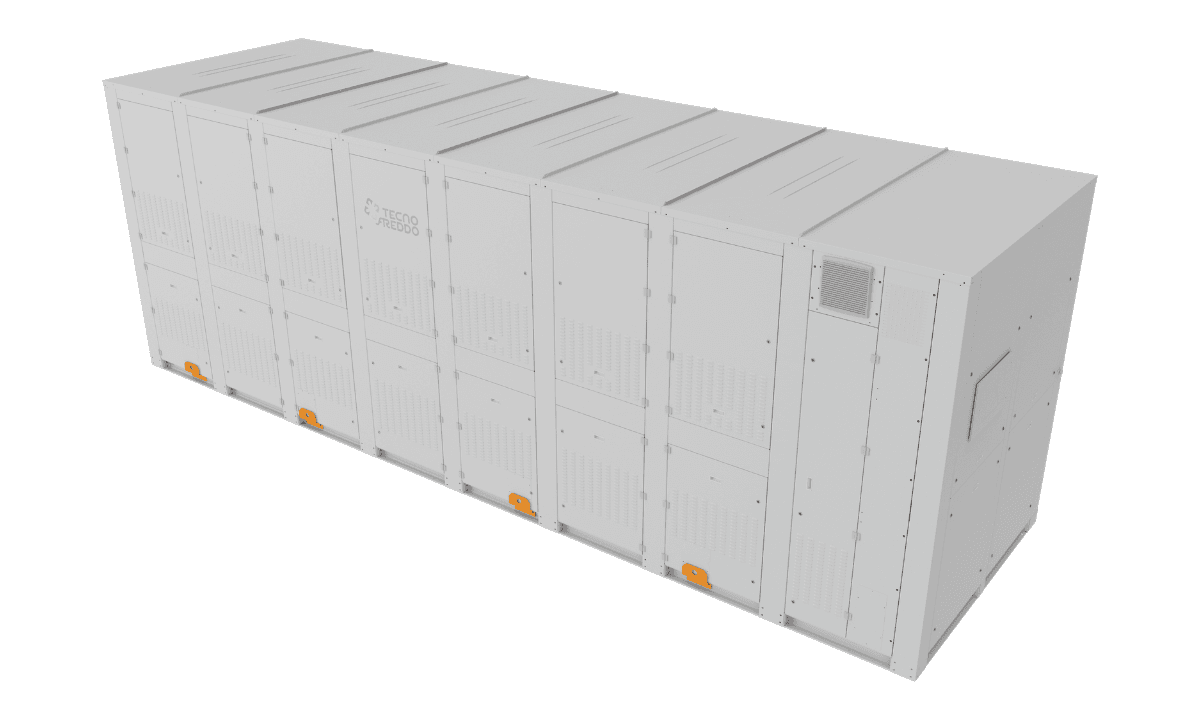
To meet rising demand, major refrigeration manufacturers are expanding their CO2 product offerings. Carrier Commercial Refrigeration has announced plans to enter the market, while manufacturers such as Hussmann, Zero Zone, Danfoss and RefPlus are introducing CO2 condensing units, a solution that could accelerate adoption in convenience stores and serve as an alternative to rack systems in larger facilities.
In the plug-in display case sector, a trusted industry source cited in the report estimates that hydrocarbon-based units now hold a 50% market share in North America. Propane and butane (R600a) cabinets make up 90% of the EPA’s Energy Star certified commercial refrigerators and freezers.
Industrial refrigeration
In 2024, approximately 870 industrial facilities in North America were using transcritical CO2 systems, while 1,230 had adopted low-charge ammonia systems, reflecting year-over-year growth of 73% and 17%, respectively.
While centralized ammonia systems continue to dominate the market, packaged ammonia units are seeing significantly faster adoption, growing 38% year-over-year compared to 15% for central systems.
Beyond industrial processing, rising demand for cold storage facilities – for both food and pharmaceuticals – is driving the need for large-scale refrigeration systems. North America accounted for more than 45% of the global cold storage construction market in 2023, highlighting the region’s growing investment in refrigeration infrastructure.
Policies and politics
One of the key drivers of natural refrigerant adoption in the U.S. is the AIM Act, which sets GWP limits for refrigerants used in refrigeration systems. For example, from January 2025, the U.S. Environmental Protection Agency (EPA) requires all new commercial refrigeration cabinets to use refrigerants with a GWP below 150, effectively eliminating many synthetic alternatives.
At the state level, New York’s Department of Environmental Conservation (DEC) revised its HFC regulations in December 2024 to use 20-year GWP limits rather than the standard 100-year measure, a shift expected to accelerate the adoption of natural refrigerants in new-build facilities particularly. Meanwhile, in Washington state, new f-gas restrictions for commercial and industrial refrigeration equipment came into effect in 2024.
Beyond restricting high-GWP refrigerants, new regulations are enabling the transition to low-GWP alternatives like propane. In May 2024, the EPA finalized the Significant New Alternatives Policy (SNAP) 26 rule, increasing the R290 charge limits for self-contained commercial cabinets from 150 to 300g for cases with doors and to 500g for cases without doors. Canada has adopted similar hydrocarbon charge limits under CSA 60355-2-89.
Several financial incentive programs are supporting natural refrigerant adoption, including the California Air Resources Board (CARB)’s F-gas Reduction Incentive Program (FRIP) and New York DEC’s grant program for small businesses.
Conversely, the 2024 U.S. presidential election has brought political uncertainty, with the new administration signaling a potential reassessment of the AIM Act and the Inflation Reduction Act (IRA), both of which would impact the HVAC&R sector. In late January, the U.S. Senate confirmed Lee Zeldin as the new head of the EPA, who has not yet expressed a stance on refrigerants.
Additionally, ongoing debates over the regulation of PFAS – and whether f-gases and trifluoroacetic acid (TFA) fall under this category – could influence the future of natural refrigerants versus low-GWP synthetic alternatives like HFOs, which degrade into TFA.