Australia’s National Science Agency Utilizes CO2 Cooling System for New Edge Data Center
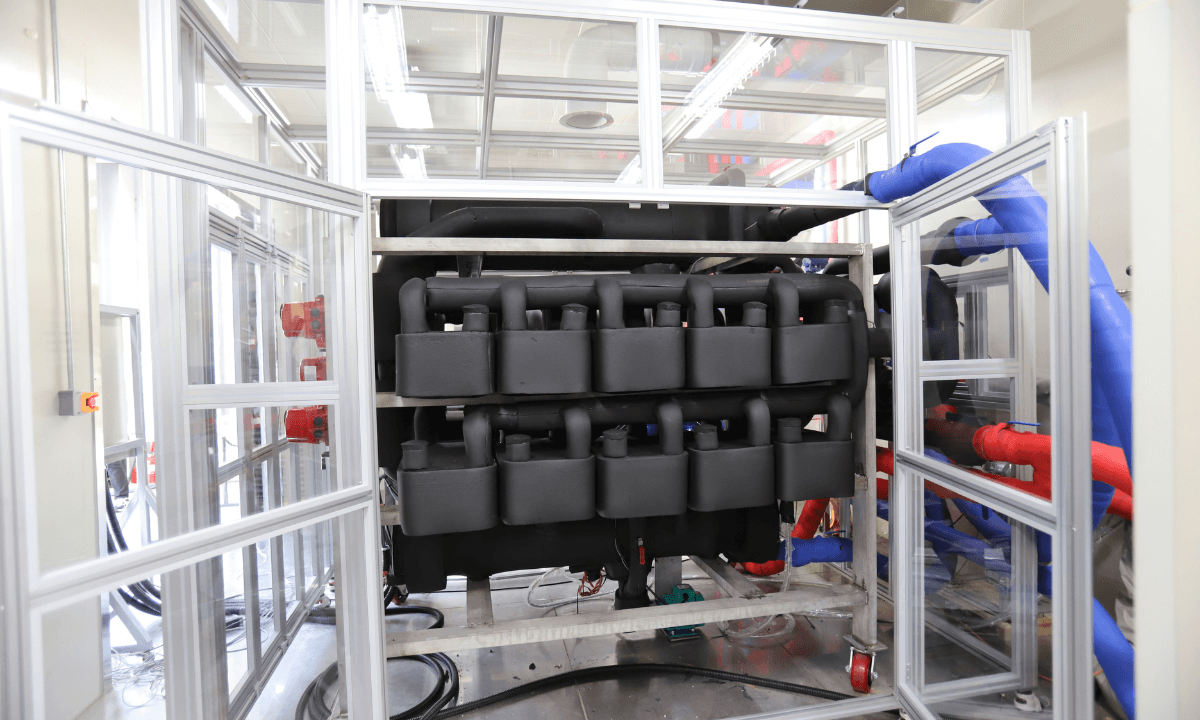
Two 100kW CO2 chillers and in-row CRAHs provide cooling for the edge data center, which features 48 high-performance GPUs.
The program is being run in collaboration with Amazon, Google, Meta and Microsoft.
Triton also highlighted the importance of capacity building in the HVAC&R sector and the growing investment risks linked to PFAS.
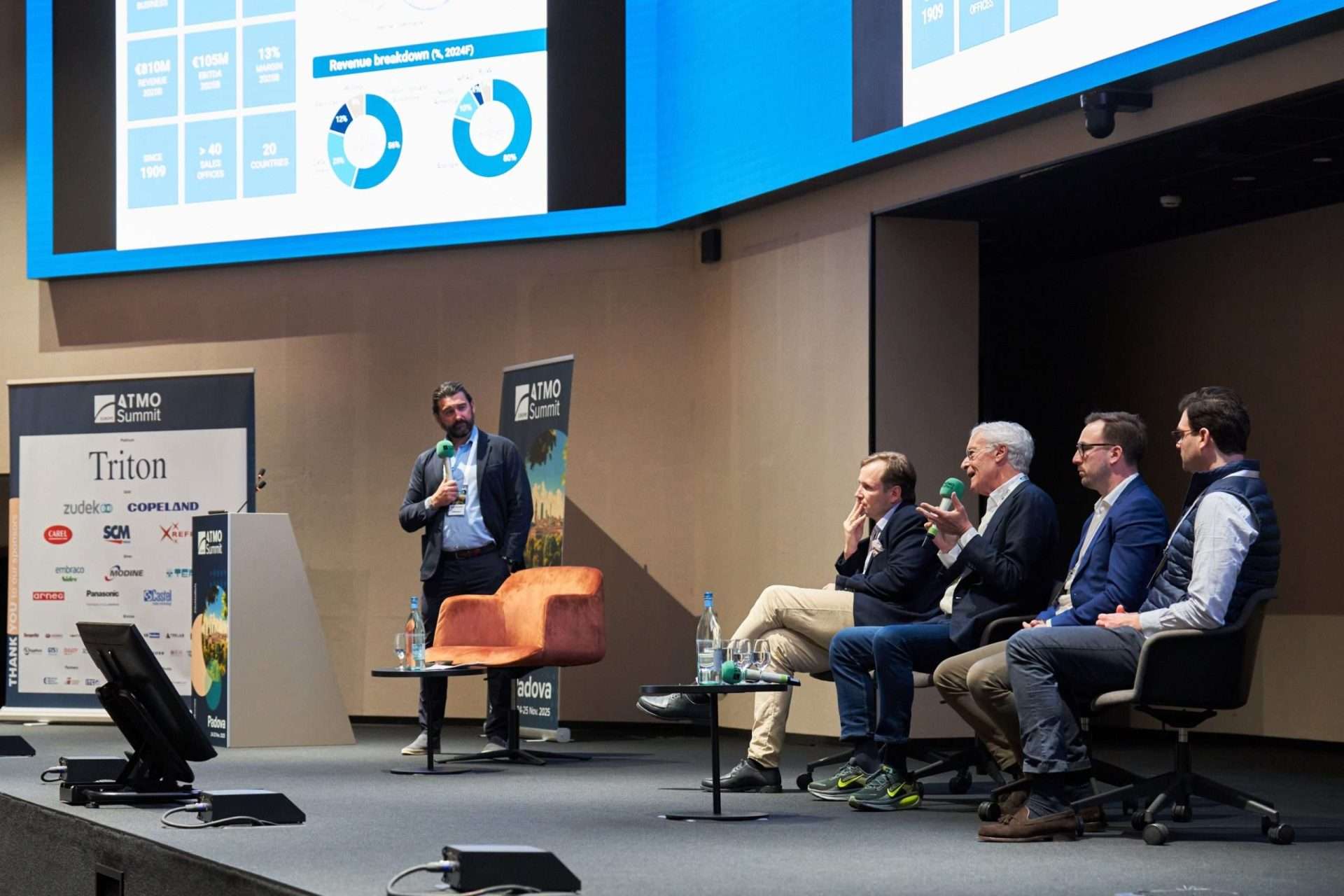
The two-day event will also include sessions on HVAC&R market trends and case studies and panel discussions on investors and training.
DK5 is a retrofit of an existing data center that previously used HFC-based cooling equipment.
The company manufactures HVAC&R systems using natural refrigerants, including ammonia, CO2, propane and water.
By minimizing compressor use, the technology delivers major energy savings over synthetic-based cooling systems.
The units will lift the data center waste heat from 30°C to 85°C for use in the heating network while supplying 20°C water for server room cooling.
The more efficient chiller helped the data center, located in the German state of Baden-Württemberg, reduce costs by nearly €2,000.
With no moving parts, the technology uses cascade heat transfer and ejector pumps to reject heat through pulsed pressure drops.
The company has completed 10 installations to date and sees growing demand in the Nordic countries.
The revised EU Energy Efficiency Directive requires data centers to monitor and report energy performance, which includes a considerable cooling component.
Advansor’s CO2 units provide the new facility with 1.3MW of cooling capacity for its servers and 150kW for its AC.
The guide describes how to reduce the environmental impact of data centers while also reducing cooling costs and improving processes.