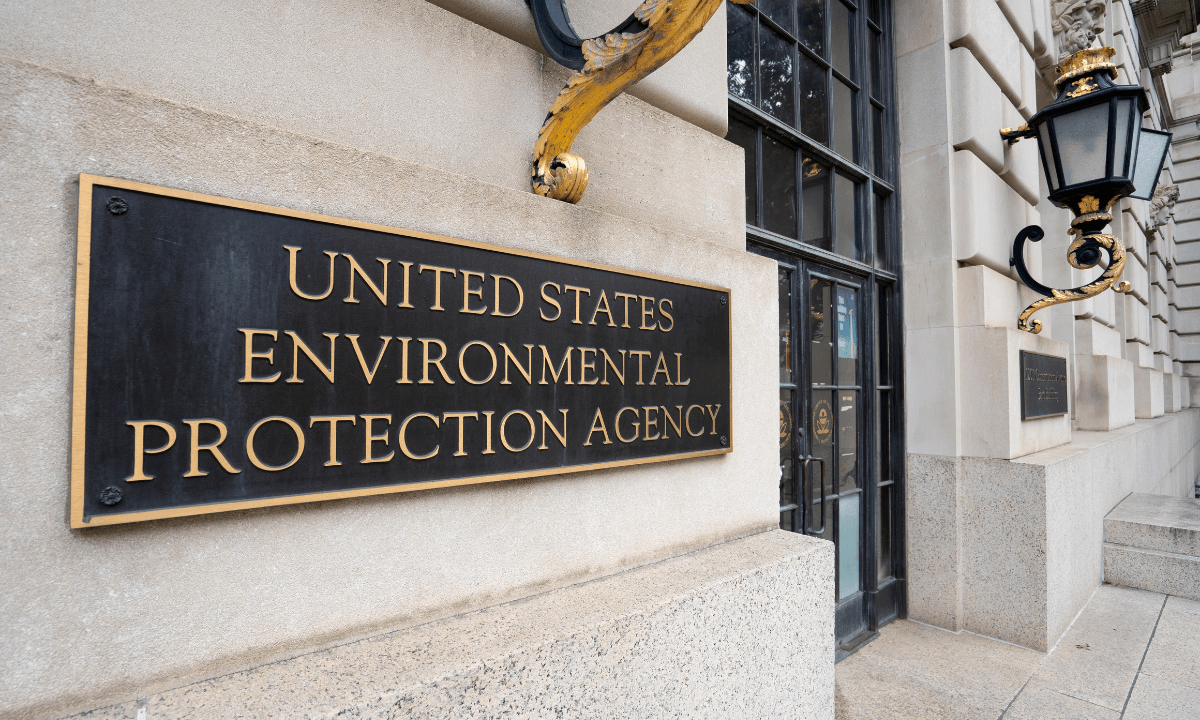
In yet another turn in the checkered history of hazardous chemical regulations in the U.S., the Environmental Protection Agency (EPA) announced on March 6 that it was undertaking a new rulemaking “to reassess elements” of its Risk Management Program (RMP), which includes a host of safety requirements for ammonia (R717) refrigeration, among other industries using hazardous chemicals.
The move was part of a court filing in the U.S. Court of Appeals for the Washington, D.C., Circuit in which the EPA asked the court to dismiss a suit filed last year (Oklahoma v. EPA) against the EPA by Republican State Attorneys-General and the chemicals industry challenging the agency’s previous version of the RMP rules; the plans for a reassessment effectively makes the case moot.
According to the filing, Steven Cook, Deputy Assistant Administrator of the EPA’s Office of Land and Emergency Management, intends to undertake a new notice-and-comment rulemaking to reassess the requirements in the 2024 rule “in light of the new administration’s policy priorities.” The EPA said it aims to publish a new final rule in late 2026.
The EPA did not indicate the changes it plans to make in the RMP rule. But the agency’s decision to revisit the rule is part of the second Trump administration’s massive overhaul of the agency, including the rollback of many efforts to combat climate change. Additionally, in January U.S. House Representative Neal Dunn, a Florida Republican, introduced a joint resolution to strike down the EPA’s rule to enhance the management, recycling and reuse of climate-damaging HFC refrigerants under the American Innovation and Manufacturing (AIM) Act; this was followed by a similar move in the Senate.
Targeting Biden requirements
The EPA’s RMP reassessment is aimed at Biden-administration amendments encapsulated in the “Safer Communities by Chemical Accident Prevention Rule,” which was announced on March 1, 2024 and set to take effect in 2026; its provisions would apply until the EPA finalizes changes. Last year in announcing the new rule, the EPA said it contained the “most protective safety provisions for chemical facilities in history, requiring stronger measures for prevention, preparedness, and public transparency.”
Separate from the lawsuit, in January a collection of 16 trade groups, including the American Chemistry Council and the International Warehouse Logistics Association, sent a letter to newly confirmed EPA Administrator Lee Zeldin requesting a meeting to lobby for changes in the 2024 RMP rule. “The 2024 rule imposes misguided and illegal new requirements that fail to make facilities safer,” the letter said.
Some of the provisions of the 2024 rule targeted by the industry groups include: information availability of sensitive chemical hazard information; third-party audit requirements (particularly disliked by the industrial refrigeration industry); and process safety information requirements.
Earthjustice, a Washington, D.C.-based NGO, said the EPA’s decision to revisit the RMP rule “puts in the crosshairs safeguards to protect workers, first responders, and fenceline communities from chemical releases, fires, and explosions.” The 2024 RMP rule “strengthened accountability by requiring hazardous facilities to implement disaster prevention plans, involve workers in safety planning, increase community transparency, and prepare for extreme weather risks,” added Earthjustice.
Since January 2017, when the outgoing Obama administration finalized new requirements for the RMP, it has been a political ping-pong ball. Key provisions of the 2017 rule were paused, and most never went into effect. Instead, in 2019, the first Trump administration’s “RMP Reconsideration Final Rule” rescinded or modified some of the measures in the 2017 rule. That was followed by the 2024 rule implemented by the Biden EPA, which restored safety provisions removed in 2019, and now the second Trump EPA’ is returning to the drawing board and will likely remove some of the 2024 rule’s requirements.
The EPA “puts in the crosshairs safeguards to protect workers, first responders, and fenceline communities from chemical releases, fires, and explosions.”
Earthjustice