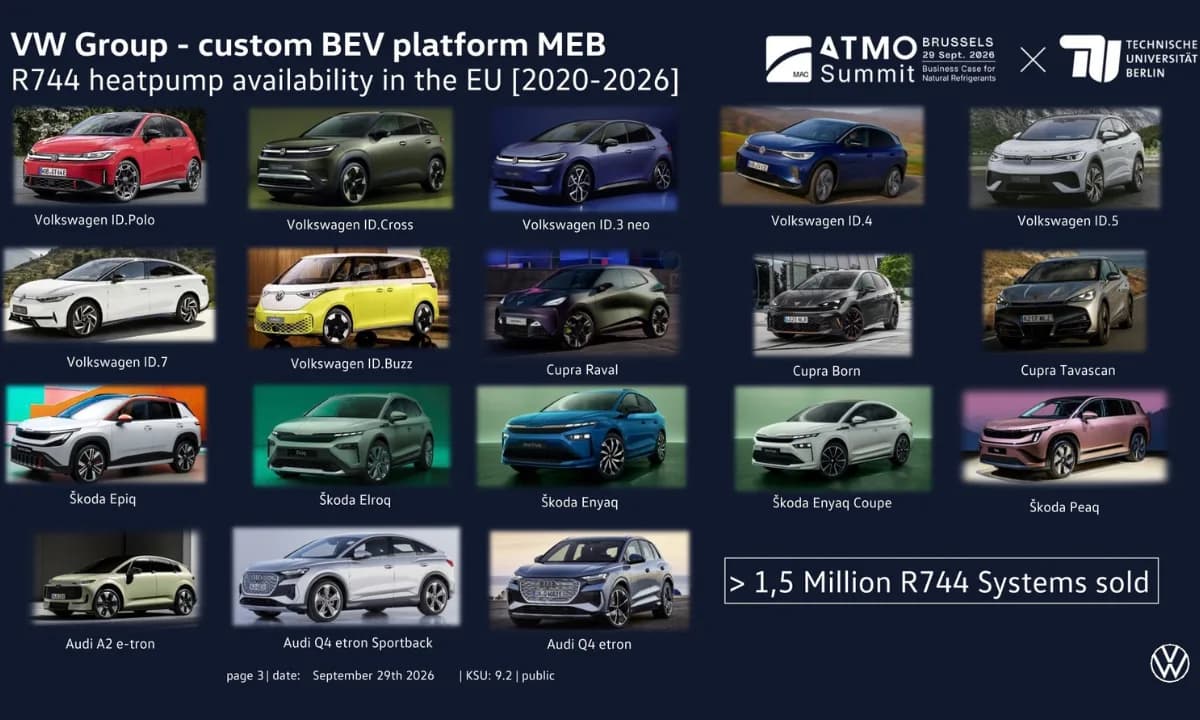
Berlin will once again be the epicenter for all things natural refrigerants in mobile air-conditioning (MAC) this September when the ATMO MAC Summit 2025 × TU Berlin kicks off September 23.
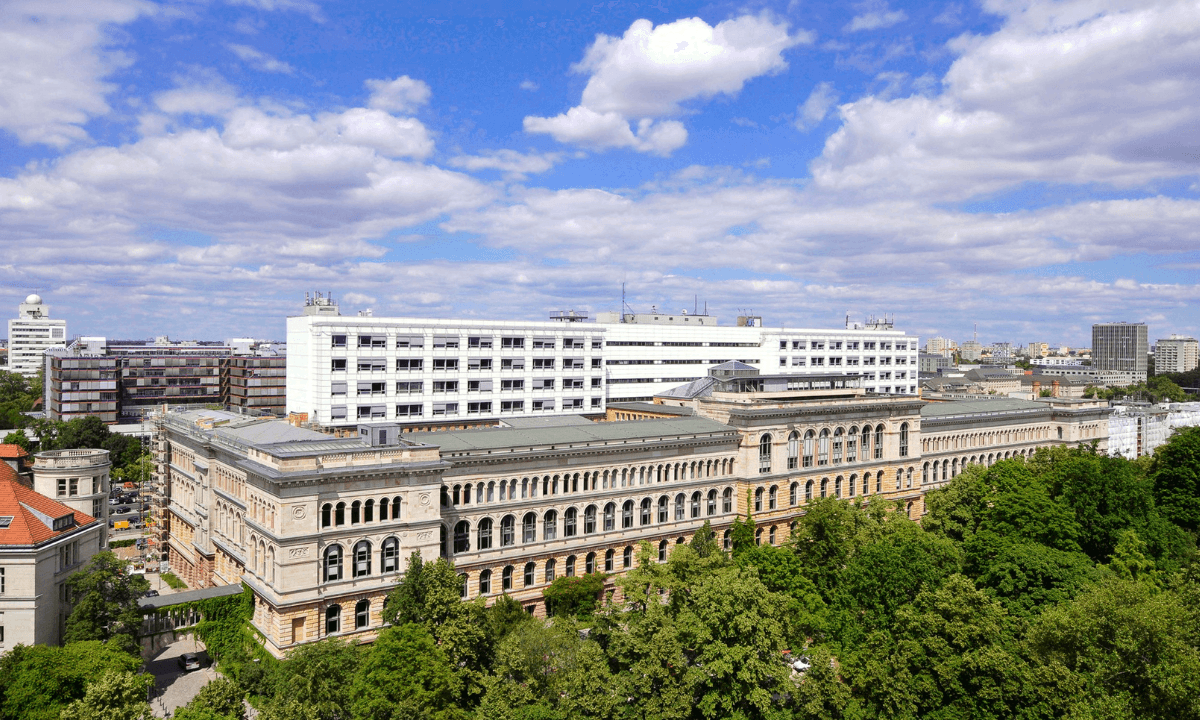
ATMOsphere, the publisher of NaturalRefrigerants.com, is organizing the two-day event in partnership with Technische Universität (TU) Berlin’s Department of Heat Transfer and Heat Conversion. It will be held on the university’s campus and is expected to attract guests from some of the world’s top automakers and automotive suppliers as well as policymakers, researchers, academics, and government officials. Tickets are still available and can be purchased here.
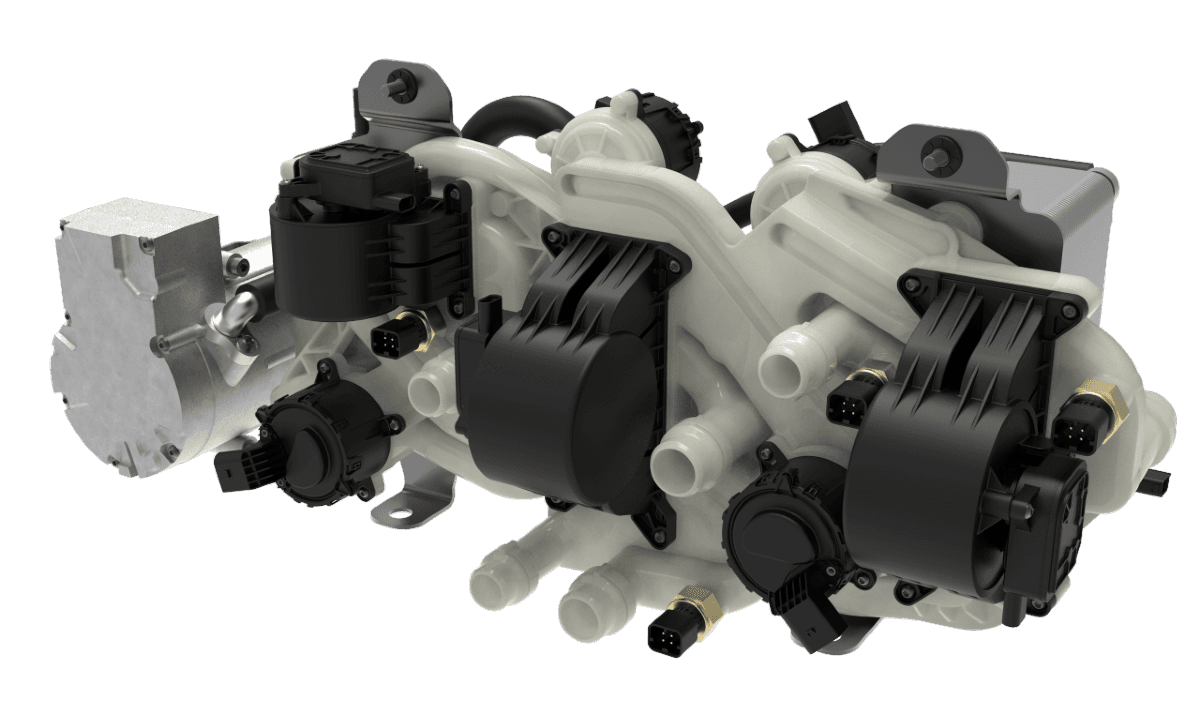
Topics of discussion include the latest developments in CO2 (R744) and propane (R290) MAC technology as well as updates on PFAS (per- and polyfluoroalkyl substances) policy and research. In addition, transport refrigeration will also be on the agenda as companies increasingly seek to decarbonize both maritime and overland shipping. Automakers Ford and Volkswagen are among the confirmed presenters. The full event program can be viewed here.
Stefan Elbel, Head of the Department of Heat Transfer and Heat Conversion, will host the ATMO MAC Summit 2025 alongside Marc Chasserot, CEO and Founder of ATMOsphere. NaturalRefrigerants.com spoke with Elbel about what attendees can expect from the event.
This interview has been edited for length and clarity.
How is the program for ATMO MAC 2025 different from last year’s event?
Stefan Elbel: The momentum to bring natural refrigerants into mobile applications has not decreased. I would say, rather, it has increased. This is quite remarkable considering some parts of the world are experiencing various degrees of political uncertainty around environmental issues. In addition to air-conditioning and heat pumps for cars, buses and trains, we decided to add transport refrigeration to the agenda since the first systems with natural refrigerants are being deployed in this area as well.
What are some of the technologies or new systems you’re excited to see on stage?
SE: I am very happy with the program. I think the key issue is still revolving around the question of whether propane or CO2 is the better fluid for this application. We are seeing continued technology development and interest from OEMs in both approaches.
During times of technology transition, quite often two possible solutions evolve and are developed in parallel. I don’t think that one of them will necessarily disappear: In certain applications OEMs will consider R744 as the go-to solution and others in which R290 will be favored.
I am excited about work that will be presented on a new safety concept for R290 and about larger-target systems for propane, both for mobile AC and heat pumps, but also for transport refrigeration. I am equally excited about the new R744 compressor developments on the agenda. Like last year, we are trying to make this an international event, and I am very happy to have international automotive suppliers talk about their technology developments featuring natural refrigerants.
And as food for thought, we also included work that’s being presented by a Berlin startup on a sorption-based approach. It’s certainly not mainstream yet, but it’s for sure environmentally friendly and intriguing to our tech-savvy audience.
“We are in the middle of a substantial technology transition that opens so much opportunity for innovation and advancement.”
Stefan Elbel
Head of the Department of Heat Transfer and Heat Conversion at TU Berlin
ATMO events are also a great place to learn more about the latest developments in refrigerant and PFAS policy and research. What can attendees expect on that front?
SE: We know that many attendees sign up to learn more about policy updates and the looming PFAS-ban. That’s why we included a policy panel to receive updates from the key people involved in making these regulations.
We also invited an expert to give us some background on the PFAS chemistry and the phase-out opportunities and hurdles in industries other than heating and cooling. I always like to learn by looking beyond my own plate since it puts our technical problems into perspective and creates opportunities to learn from others who are in similar situations.
What would you like attendees to learn or take with them after the event?
SE: I think the most important message is that we are in the middle of a substantial technology transition that opens so much opportunity for innovation and advancement. While it is always tempting to settle for less than perfect, we need to stay the course to bring natural refrigerants across the finish line for mobile applications.