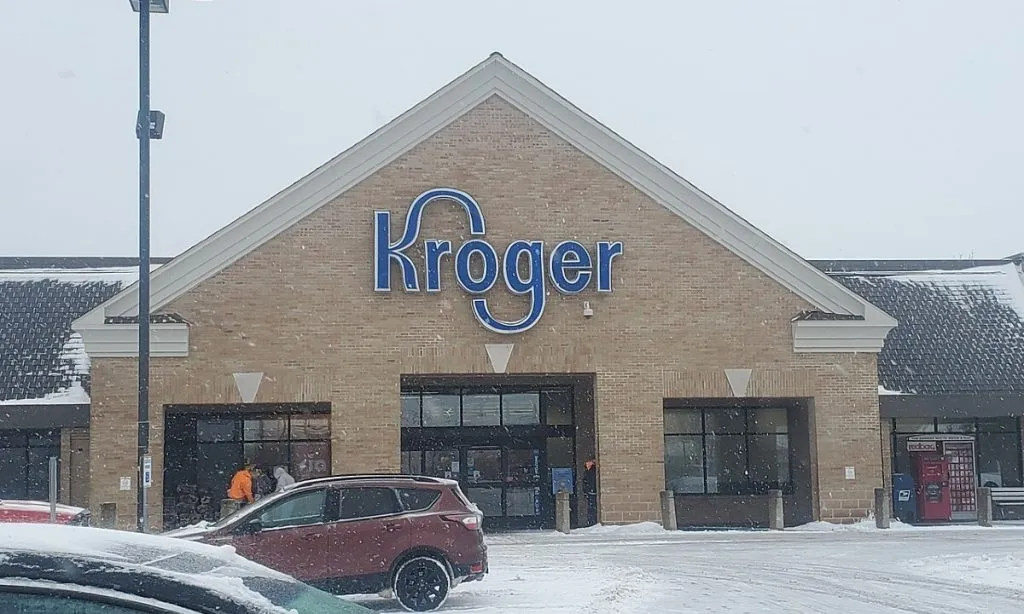
U.S. NGOs Green America and the Environmental Investigation Agency (EIA) have launched a new action calling on consumers to sign a letter to Kroger’s CEO, Rodney McMullen, urging the U.S. supermarket chain to “end its use of HFCs in all facilities and stores by 2030.”
The petition also demands Kroger sets a “robust leak reduction goal for all its stores.”
This follows a recent challenge from its shareholder Friends Fiduciary to use “the best available technological options for eliminating the use of hydrofluorocarbons in refrigeration.” A vote on Friends Fiduciary’s shareholder resolution will take place at Kroger’s annual general meeting on June 23.
In its 2021 sustainability report, Kroger noted an intention to transition to lower-GWP refrigerants but also established goal of “achieving a portfolio GWP of under 1,400.” Kroger has also stated its commitment to reducing refrigerant-related GHG emissions in its Refrigerant Management Policy, which includes leak reduction.
According to EIA and Green America, Kroger has committed to transition to non-HFC refrigerants in only seven of its new stores, with no such plans for its other 2,800 existing supermarkets. HFCs account for 63% of the supermarket chain’s direct GHG emissions, said Green America.
“Kroger has known about this problem for years, but its efforts are failing to meet the urgency of the issue,” said Dan Howells, Climate Campaigns Director at Green America. “The climate crisis is here, and we need Kroger to provide a clear, detailed plan to cut these dangerous emissions on a more aggressive timeline.”
Behind competitors in scorecard
In 2020, the EIA scored the biggest U.S. supermarkets on their efforts to reduce emissions from HFCs. Kroger scored only 16/100, falling behind competitors like ALDI and Whole Foods, which scored 70/100 and 46/100, respectively. The EIA suggested Kroger introduces HFC-free technologies in all new builds and major remodels to improve.
According to the EIA, refrigerant leaks from U.S. supermarkets are responsible for 45 million metric tons of GHGs each year, so transitioning to ultra-low-GWP refrigerants, such as CO2 (R744), and reducing leaks could have a significant impact.
“There is a global effort to phase down HFCs because of their potent climate impacts,” said Avipsa Mahapatra, Climate Campaign Lead at the EIA. “It is incredibly shocking that a company like Kroger continues to rely on these obsolete climate-destroying coolants when there are myriad other widely available and used HFC-free options.
“Kroger must commit to adopting ultra-low GWP refrigerants in all new stores and to share a plan to phase out use of HFCs by 2030,” added Mahapatra.
“It is incredibly shocking that a company like Kroger continues to rely on these obsolete climate-destroying coolants when there are myriad other widely available and used HFC-free options.”
Avipsa Mahapatra, EIA
Supermarkets around the world are facing growing pressure to act faster on HFCs. Last year, Walmart shareholders voted in favor of a proposal calling on the company to accelerate its plans to reduce refrigerants released from its operations, and the EIA has recently challenged U.K. supermarket chain ASDA on its installation of a high-GWP HFC-based air-conditioning system.