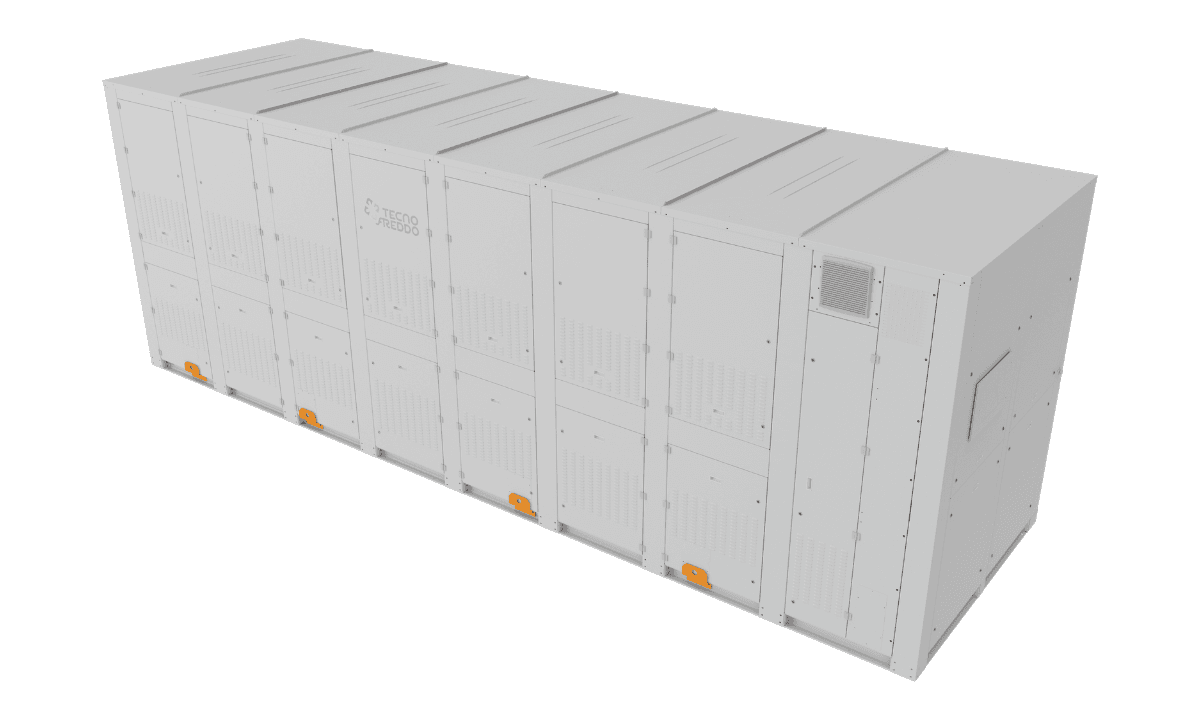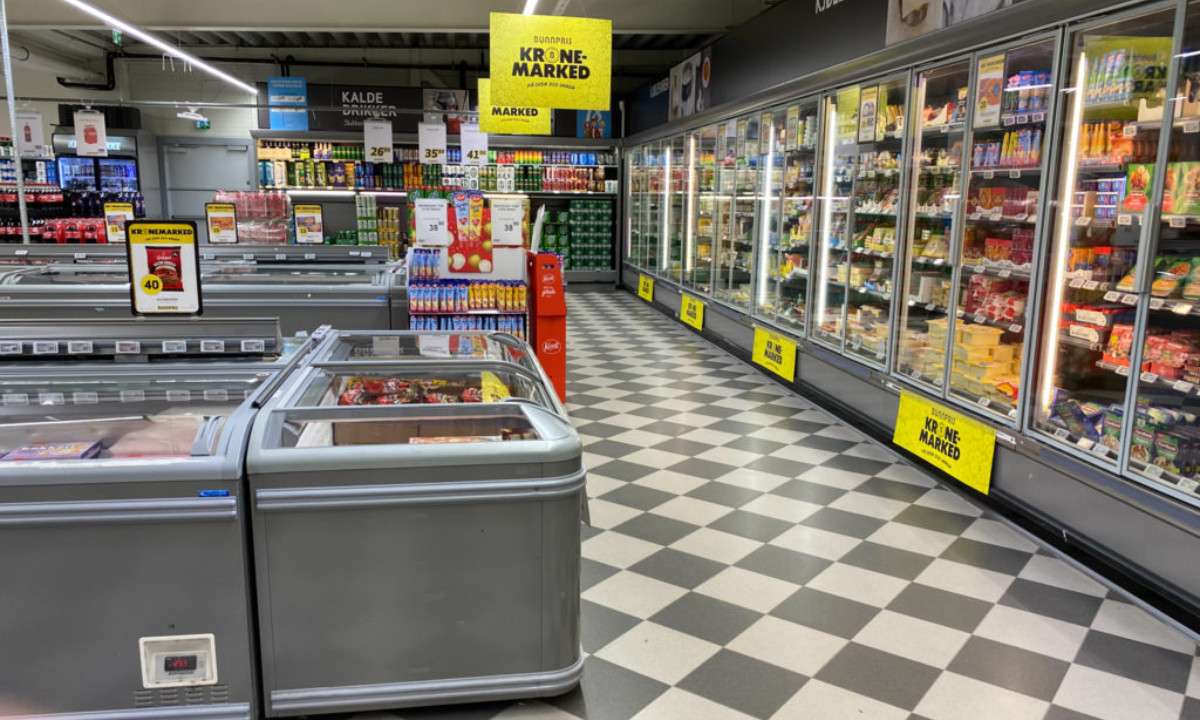
Norway is phasing out HFC-based refrigeration, with four major supermarket chains ‒ Bunnpris, COOP Norge, NorgesGruppen and Rema 1000 ‒ each reporting that more than 80% of their stores use natural refrigerant systems, according to a 2024 report.
The trade union magazine Fagbladet generated the report for the Norwegian Refrigeration Association based on a survey of the four retailers. The survey sought to verify the progress made to phase out HFCs, examine market drivers and assess the country’s alignment with its environmental policy goals.
“Norwegian supermarkets have widely adopted natural refrigerants like CO2 [R744],” the report said. “The rapid transition ‒ achieved through early investment in natural refrigerants and strict national policies ‒ has significantly reduced HFC emissions.”
Bunnpris: Of its 240 stores, roughly 80% use natural refrigerant systems, primarily CO2. The chain plans to be 100% HFC-free by 2030.
- Three Bunnpris stores operate solely with propane (R290)-based plug-in refrigerated cabinets.
COOP Norge: The company reports being “nearly” HFC-free with 1,140 stores. According to Fagbladet, the chain has prioritized installing CO2 refrigeration in its supermarkets for years.
- When replacing an old HFC system, COOP Norge records a 40% reduction in energy consumption with a new CO2 installation due to performance improvements and heat reclaim.
- Regarding the “handful” of older HFC systems in operation, the company will upgrade the refrigeration on a case-by-case basis if a store is to remain open.
NorgesGruppen: Norway’s largest food retail group ‒ encompassing several chains, including KIWI, Meny, Spar and Joker, with 1,759 stores ‒ cut its HFC usage by 97.1% compared to its 2010 levels.
- The group primarily uses CO2. In the last four years, the chain slashed its emissions in half by retiring HFC systems and plans to be HFC-free by 2030.
- “In collaboration with Enova (Norway’s public enterprise that funds energy innovation), NorgesGruppen installed the country’s first CO2 refrigeration plant with an ejector in a grocery store (a Spar supermarket),” Fagbladet said.
- Danish OEM Advansor indicated that its ValuePack II, with low-pressure ejector and cylinder unloading technology, was first installed in a Spar supermarket in Røyken. The ejector lifts the compressors on days with ambient temperatures above 30°C (86°F), cutting the energy consumption by 58% compared to the previous system.
Rema 1000: The chain has transitioned roughly 82% of 1,240 stores to CO2-based refrigeration, with plans to be HFC-free by the end of 2029.
“In stores where CO2 systems replaced legacy HFC units, energy consumption dropped by around 35%, translating to an annual savings of 18GWh across 95 evaluated stores,” Fagbladet said.