The Ingka Group, the largest IKEA franchise operator, has announced an investment of €1.5 billion ($1.58 billion) in its “renewable energy transformation,” with the money earmarked for in-store energy efficiency upgrades and new renewable heating and cooling technology.
The goal: In-store heating and cooling are the biggest drivers of emissions in the company’s own operations category. Its goal is to lower emissions in that category by 85% by 2030 compared to a 2016 baseline.
- New stores will be built with renewable heating and cooling systems while existing stores will be retrofitted. Ingka Group says retrofit projects are currently underway at 150 stores.
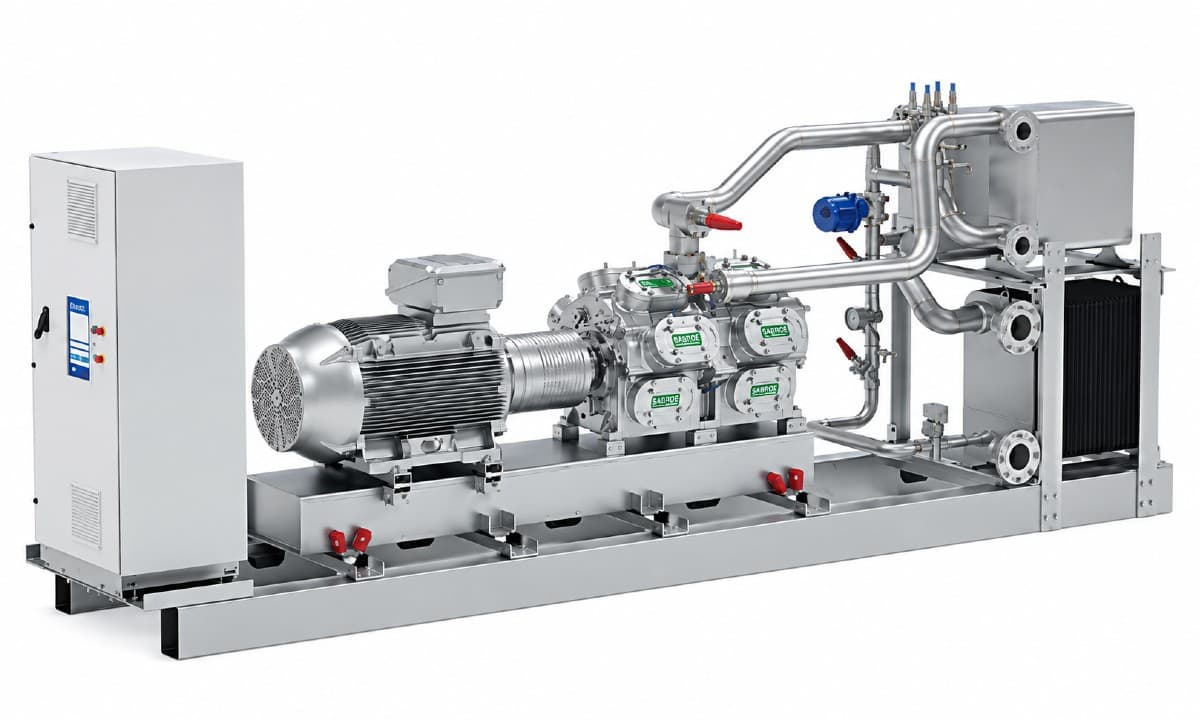
The role of NatRefs: The Ingka Group told NaturalRefrigerants.com that, “For all equipment we aim to use refrigerants with a lower global warming potential,” adding, “We push for CO2 [R744] and other natural refrigerants worldwide whenever possible.”
- The company noted that its ability to use natural refrigerant-based heating and cooling technology is “very market specific due to availability of market/ tailored systems and afterward services/maintenance.”
- It did not name the type of equipment it would use in its announcement, but the company told NaturalRefrigerants.com it already uses heat pumps in some stores.
The impact: IKEA operates a franchise model, and the Ingka Group is the largest franchisee with 482 stores in 31 countries, accounting for 90% of total IKEA sales.
- Nineteen of those countries are part of the EU, which revised its F-gas Regulation this year to ban HFCs by 2050.
- The other 12 stores are operated in Australia, Canada, China, India, Japan, Korea, Norway, Serbia, Switzerland, the U.K., Ukraine and the U.S.

Quotable: “Transitioning to renewable heating and cooling is a vital enabler on our decarbonization journey; however, it’s a complex and costly process,” said Karen Pflug, Chief Sustainability Officer at the Ingka Group. “This investment means we can progress further and faster with our plans – and we know it will pay off in the long term.”