ATMOsphere, publisher of NaturalRefrigerants.com, estimated that there were just 10 transcritical CO2 (R744) refrigeration systems installed in South Korea as of December 2025. In this nascent market the leading player is Arneg Korea, which was founded in 1999 and has been developing CO2 refrigeration technology for the food retail sector since 2008, according to CEO SungKyu Lee.
While the country’s impending phaseout of high-GWP refrigerants has Lee optimistic about the future of natural refrigerants in its cold chain, more needs to be done to ensure the shift to lower-GWP refrigerants centers on naturals. To this end, Arneg Korea and ATMOsphere will host “ATMOsphere Network South Korea 2026” in Seoul on June 25 featuring case studies on CO2 refrigeration systems in the country, policy discussions and networking opportunities.
“The goal of this event is not simply to showcase products but to create a platform for meaningful discussions on the future of natural refrigerants in South Korea from technological, regulatory and market perspectives,” Lee told NaturalRefrigerants.com.
NaturalRefrigerants.com recently spoke with Lee to learn more about the event along with the state of natural refrigerants in South Korea.
This interview has been edited for length and clarity.
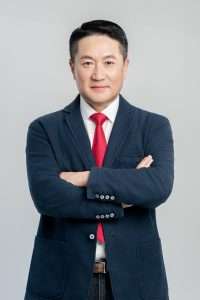
Can you describe the current state of natural refrigerants in South Korea across the HVAC&R sector and the challenges and opportunities the market presents?
SungKyu Lee: Interest continues to grow, but the market is still in the early stages of a broader transition. Arneg Korea has been actively advancing natural refrigerant technologies through a series of field-proven projects in the food retail sector, demonstrating that CO2-based refrigeration solutions can be successfully applied in real operating environments in South Korea.
The South Korean government has recently formalized its direction toward lower-GWP refrigerants through the “Announcement on the Conversion Schedule of Products Using Hydrofluorocarbons (HFCs),” which outlines the phased transition from high-GWP refrigerants to lower-GWP alternatives. This marks the beginning of a more structured regulatory framework for refrigerants and is expected to become an important driver for the adoption of natural refrigerants.
At present, the most significant challenge remains the lack of dedicated incentives and subsidy programs for natural refrigerant technologies. Higher initial investment costs, combined with limited experience among system designers, contractors and service providers continues to slow market adoption.
At the same time, substantial opportunities exist across convenience stores, supermarkets, cold storage facilities and distribution centers seeking sustainable alternatives to traditional HFC-based systems. As ESG [environmental, social and governance] initiatives, carbon reduction goals, energy efficiency and regulatory compliance become increasingly important, CO2 refrigeration systems are emerging as a practical and future-proof solution for the South Korean market.
How many food retail stores in South Korea has Arneg Korea installed CO2 refrigeration systems, and have these projects boosted the reputation of CO2 in the sector?
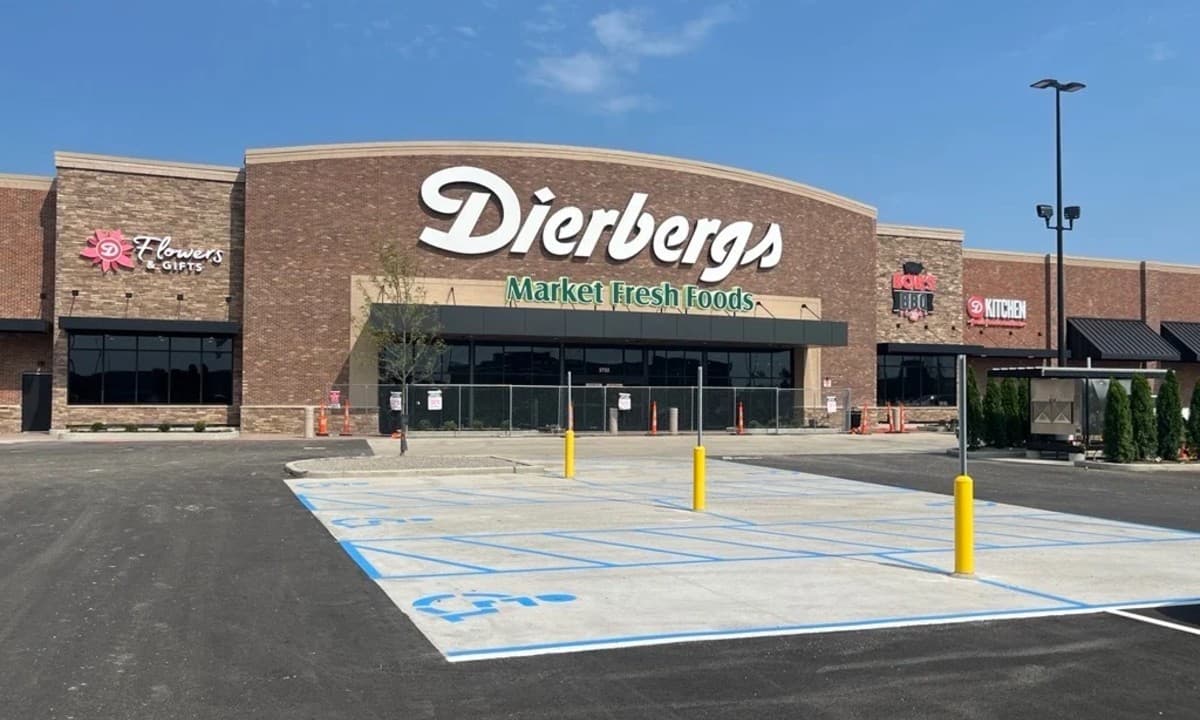
SL: Arneg Korea has been developing CO2 refrigeration references in South Korea’s food retail sector since 2008. Notable projects include subcritical CO2 rack systems installed in five Homeplus stores, transcritical CO2 BLDC inverter condensing units deployed in two BGF Retail convenience stores and South Korea’s first transcritical CO2 inverter rack system installed at Nonghyup Hanaro Mart Baegyangsa Branch. These projects have contributed significantly to expanding the adoption of natural refrigerants within the country’s retail refrigeration sector.
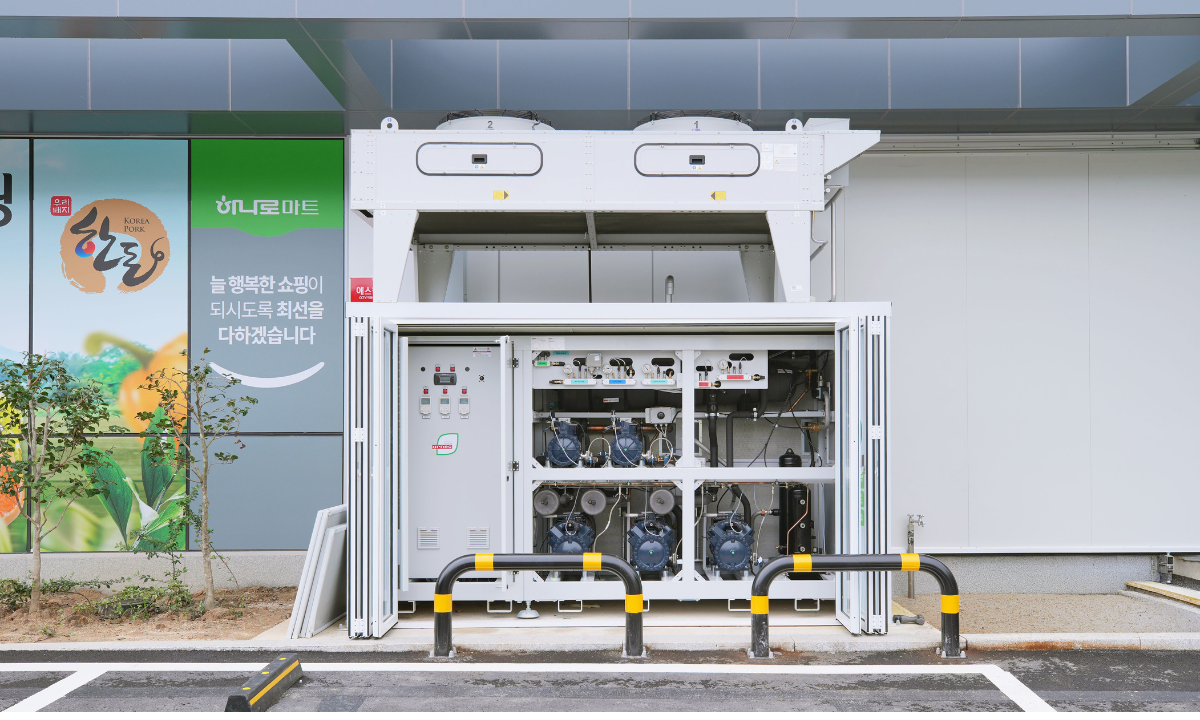
We believe these installations have played an important role in increasing industry confidence in CO2 refrigeration technology throughout South Korea’s cold chain. Their significance lies not only in the technology itself but in the fact that they are operating successfully in real commercial environments.
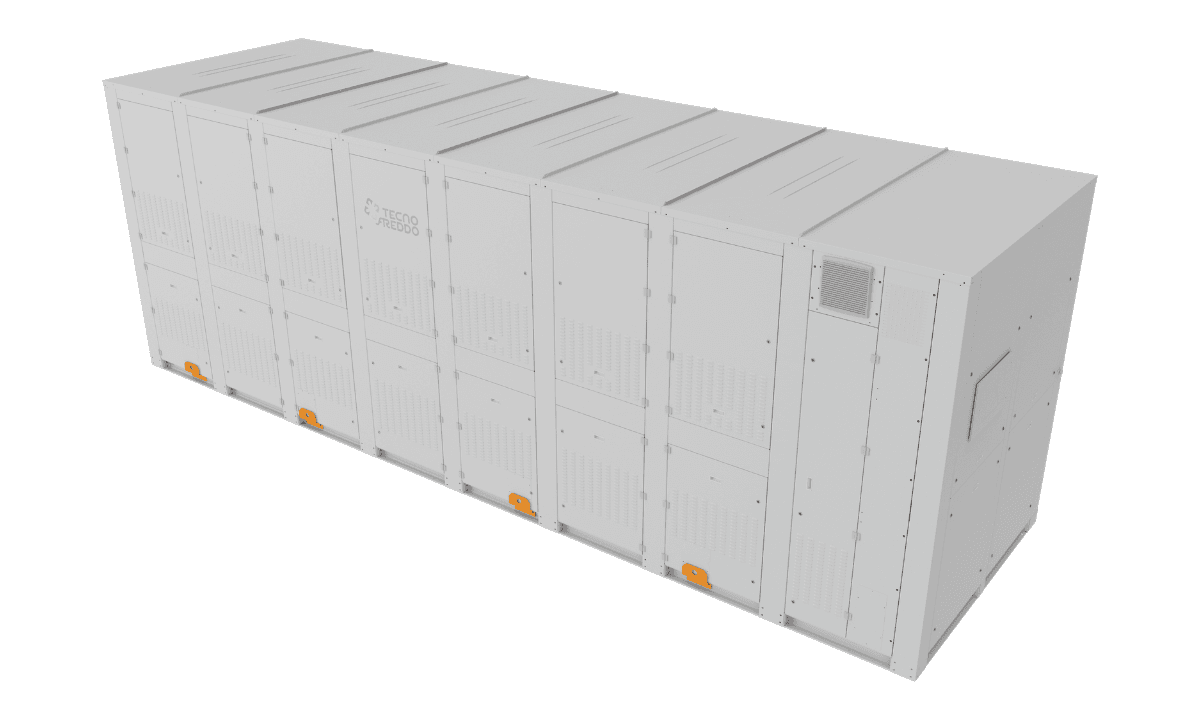
In addition, Arneg Korea’s CO2 BLDC Inverter CDU has attracted considerable interest throughout the Arneg Group and is currently undergoing real site testing in Australia, North America and Europe. These projects demonstrate that a CO2 solution developed in South Korea has the potential to serve both domestic and international markets.
ATMOsphere and Arneg Korea are collaborating on an upcoming ATMOsphere Network event. Why did Arneg decide to partner with ATMOsphere on this event?
SL: Arneg Korea decided to collaborate with ATMOsphere to promote greater awareness and understanding of natural refrigerants, particularly CO2, within the South Korean market. South Korea is entering an important phase in which high-GWP refrigerant regulations are beginning to take effect. As a result, discussions surrounding the adoption of natural refrigerants are becoming increasingly important. However, there is still a shortage of market information, practical case studies and policy discussions related to CO2 refrigeration systems.
ATMOsphere brings extensive expertise and a strong global network in the natural refrigerants industry. Through this partnership, we aim to provide South Korean end users, government agencies, consulting engineers and food-retail stakeholders with objective insights into the benefits and future potential of CO2 refrigeration technologies.
How would you describe the current policy and regulatory environment in South Korea regarding refrigerants?
SL: The South Korean government has initiated the transition toward lower-GWP refrigerants through its recently announced HFC phase-down roadmap. This is a significant milestone signaling the beginning of a more structured regulatory transition within the refrigeration industry. While South Korea does not yet offer the same level of incentives and support programs seen in Europe, Japan or Australia, the overall regulatory direction clearly favors lower-GWP and natural refrigerant technologies.
Should future government policies introduce subsidies, tax incentives or other support measures for low-GWP and natural refrigerant-based refrigeration systems, we believe adoption of CO2 technology could accelerate significantly. Through the ATMOsphere Network South Korea event, Arneg Korea hopes to encourage constructive dialogue between government agencies and industry stakeholders regarding practical measures that can support the wider adoption of natural refrigerant technologies.
What would you like attendees to take away from the event?
SL: The primary goal is to demonstrate that CO2 refrigeration is no longer a technology of the future but a proven and commercially viable solution available today. We hope attendees will gain a deeper understanding of how natural refrigerants can support sustainability objectives while delivering reliable refrigeration performance in real-world applications. We also aim to share practical insights into system design, installation, operation, service and the policy frameworks needed to support wider adoption.
As a total solution provider capable of delivering design, manufacturing, installation, commissioning and after-sales service, Arneg Korea is committed to leading the transition toward natural refrigerant technologies in South Korea and contributing to a more sustainable future for the refrigeration industry.
“These projects demonstrate that a CO2 solution developed in South Korea has the potential to serve both domestic and international markets.”
SungKyu Lee, CEO of Arneg Korea