ALDI Tops the EIA’s 2026 U.S. Climate-Friendly Supermarket Scorecard
The assessment measures the efforts and progress supermarket chains have made to eliminate HFC refrigerants.
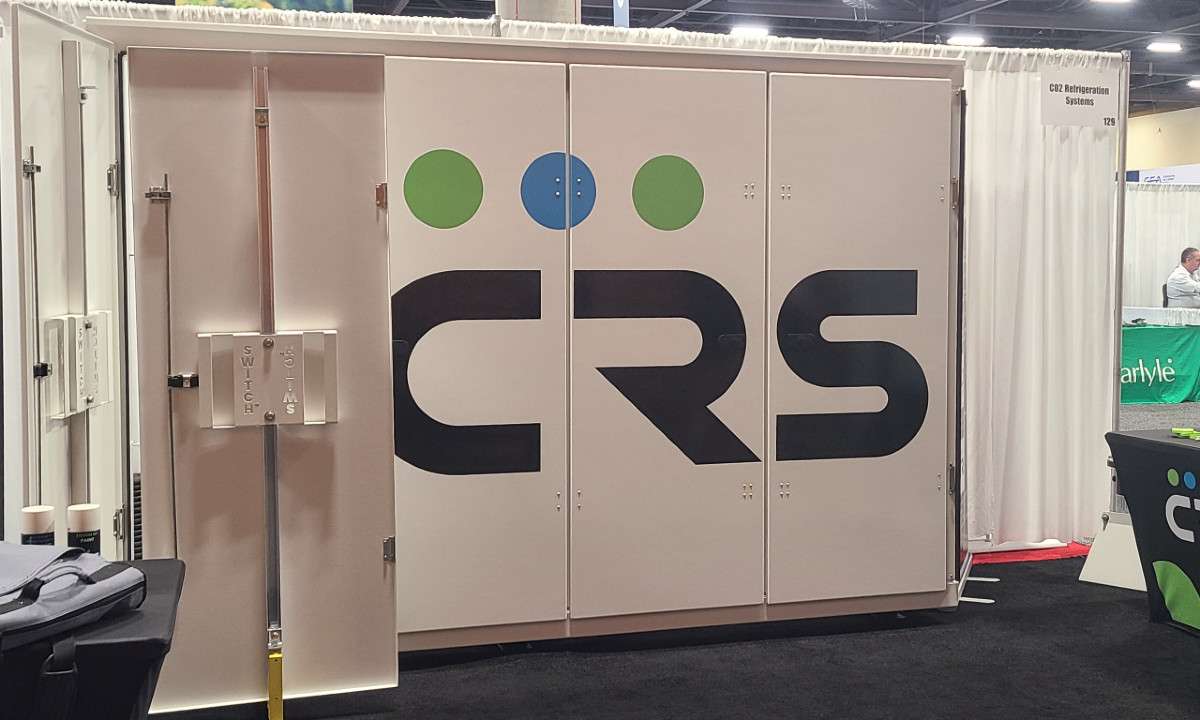
The units offer a saturated suction temperature range from −32 to 35°F, with extended options dropping to −50°F for colder applications.
Two categories are established, one for stores with equipment installed before January 1, 2025; and one for post-January 1 installations.
The chain employs both CO2 systems and R290-only cases in the Southern U.S., conducting a cost/benefit analysis of each system type.
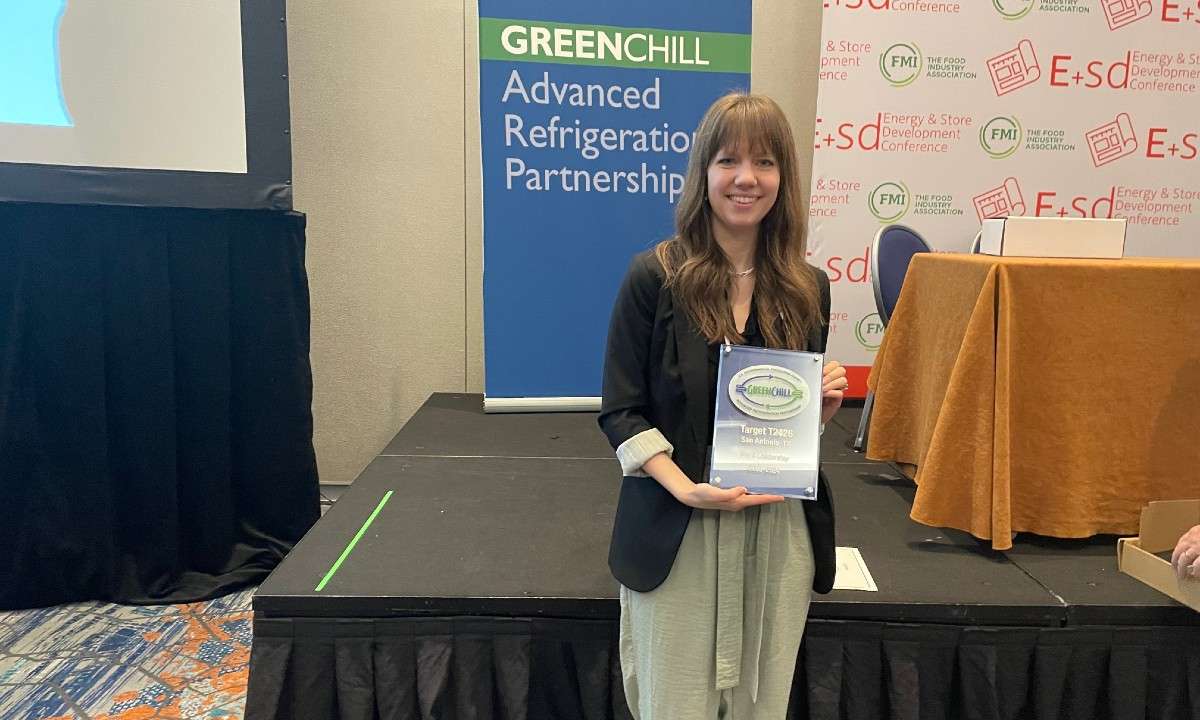
At the GreenChill supermarket awards ceremony at FMI Energy & Store Development Conference in Orlando, Florida. From left: Kersey Manliclic, EPA; Kari Watts, Target; Erich Schwab, Target; Bella Maranion, EPA.
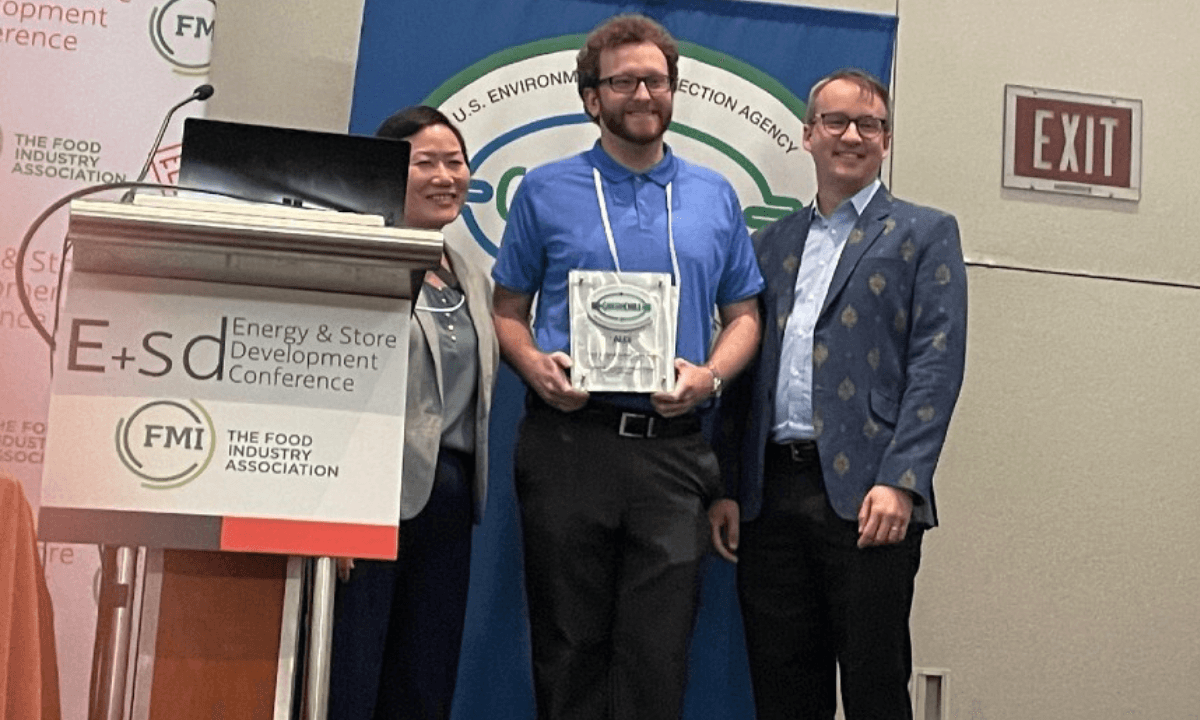
Hillphoenix and six other food retailers also received awards at the FMI Energy Conference.
Large U.S. food retailers are rated on technology adoption, refrigerant management and policy and commitments.
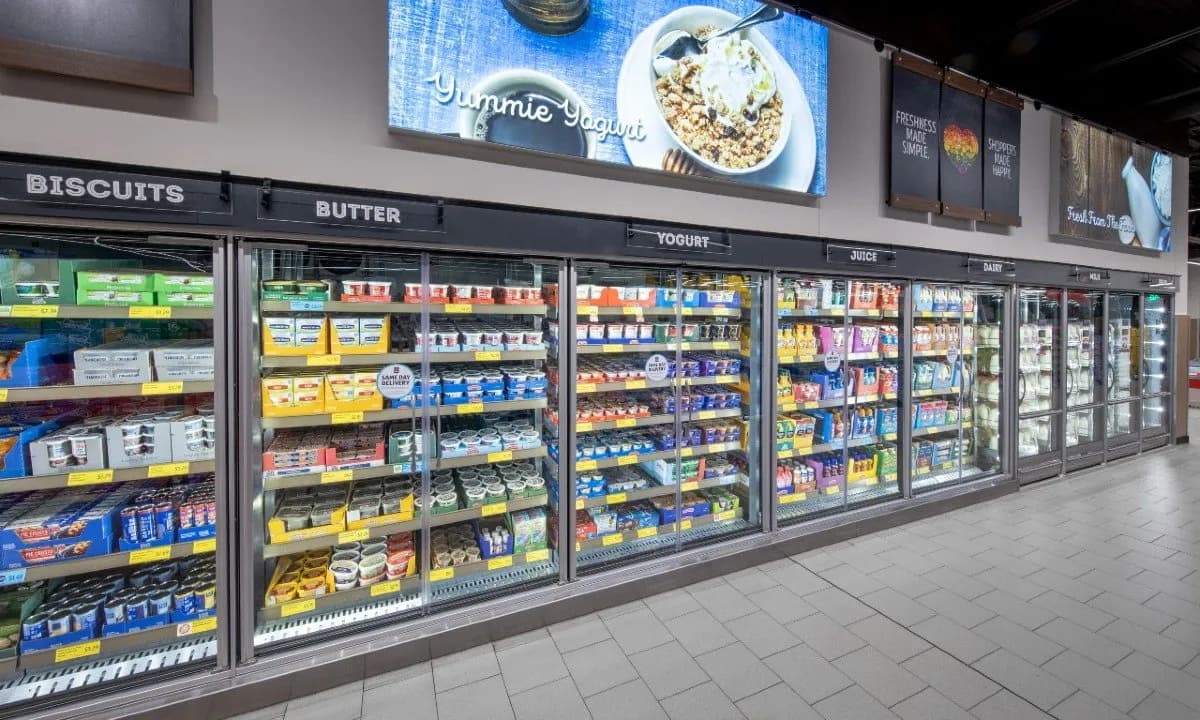
ALDI U.S. continues its transition to natural refrigerants with nearly 500 of its 2,000 stores in the United States now using CO2 as the primary refrigerant.
The stores are seen as models for future sustainable refrigeration transitions in underprivileged communities.
Our most-read stories of January include a big EU vote, ALDI US’s move to naturals and a new study linking HFOs to R23.
Of the company’s more than 2,300 stores in the United States, more than 600 already use of R744 and/or R290.
The companies highlighted CO2 installations at C-store Kwik Trip, Walgreens pharmacy and small-footprint grocers ALDI US and Natural Grocers.
The awards, honoring excellence in the implementation of natural refrigerant-based systems, were presented during a ceremony on June 12 at the ATMOsphere America Summit.