The Expert Opinion provides a platform on NaturalRefrigerants.com for experts to share their views on technology, market trends, policy developments and more. Contributors are not paid, and all opinions are their own. NaturalRefrigerants.com maintains full editorial control over each submission. If you’re interested in contributing to The Expert Opinion, please fill out this form.
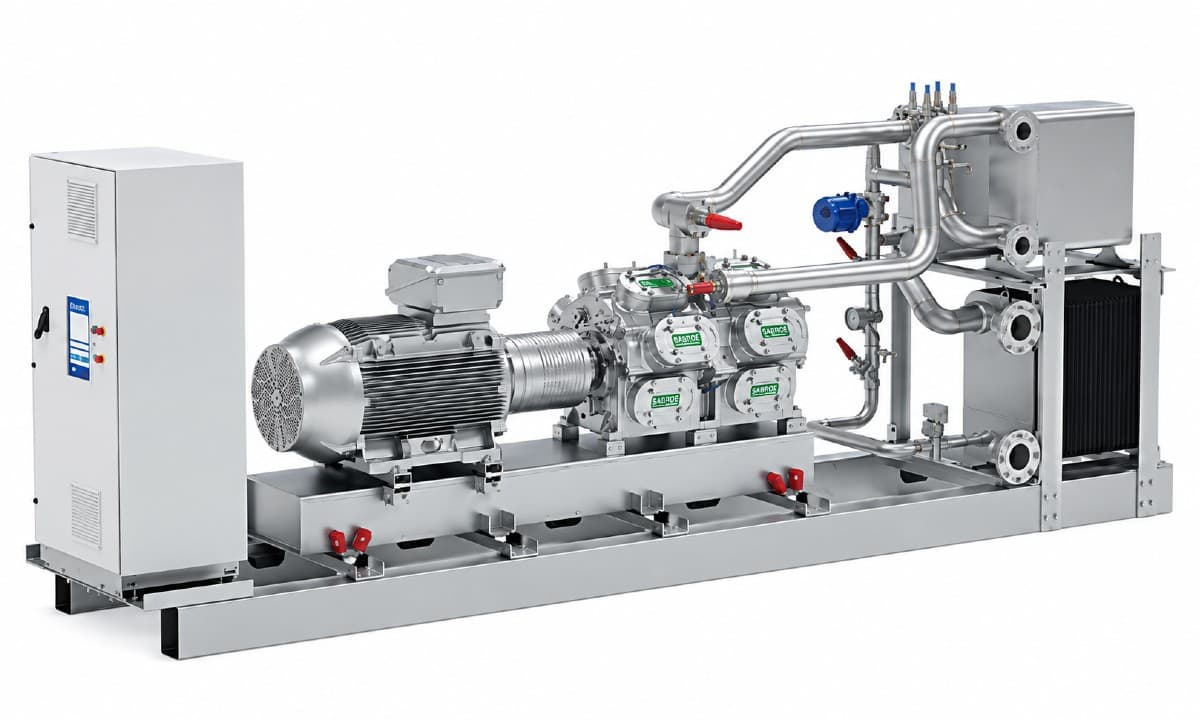
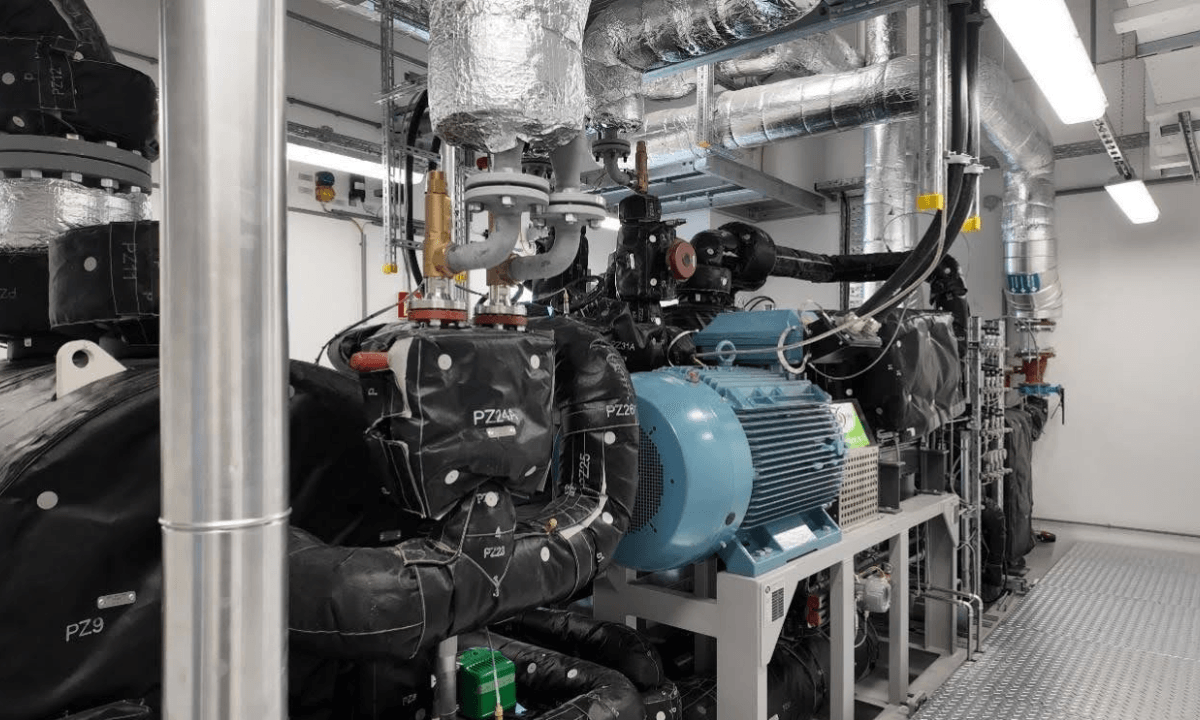
This Expert Opinion column has been written by Harald Erös, Head of Refrigeration and Heat Pump Technology for global pharmaceutical manufacturer Takeda. Here, Erös shares details about the AHEAD (advanced heat pump demonstrator) project, which recently culminated in Takeda commencing operation of a 1.2MW (341TR) butane–water (R600–R718) high-temperature heat pump at its Vienna production facility.
This contribution has been edited for length and clarity.

AHEAD – Pioneering CO₂‑free steam generation
At Takeda’s largest site in Vienna, the AHEAD project showcases a new generation of industrial heat pump technology. The objective is to fully integrate a high‑temperature heat pump into the existing energy center to generate process steam completely without fossil fuels for the first time. With this approach, AHEAD bridges the long‑standing gap between harvesting industrial waste heat and using it directly for production.
The project marks a decisive step towards Takeda’s commitment to reach net‑zero greenhouse gas emissions across its own operations by 2035. By reclaiming heat from the site’s cooling systems, the installation is expected to avoid around 1,600 metric tons of CO₂e every year.
Research, simulation and monitoring
The AHEAD project began with a research phase, bringing together Takeda Manufacturing Austria, the AIT Austrian Institute of Technology, and Sustainable Process Heat (SPH) GmbH. It is part of the NEFI – New Energy for Industry initiative, supported by the Climate and Energy Fund, which is financed by the Austrian Federal Ministry for Innovation, Mobility and Infrastructure. The project’s core technology – the steam-generating high-temperature heat pump – was designed and validated by SPH.
AIT modeled the overall system, ran year‑round simulations and assessed 162 design variants with a particular focus on seasonal dynamics between heat sources and sinks. A key question was how the availability of waste heat from refrigeration aligns with the site’s demand for heating and steam. These analyses informed the optimal system setup, including temperature and pressure levels and the sizing of critical components.
A comprehensive monitoring concept tracks process requirements, control behavior and optimization potential over more than 4,000 operating hours. The collected data laid the groundwork for developing learning curves for high‑temperature heat pumps in industrial use.
SPH designed the compressors specifically for the natural refrigerant butane. After dedicated test‑bench validation, the compressors were integrated into the demonstration plant, and Takeda handled the integration into live production.
Technical concept and setup
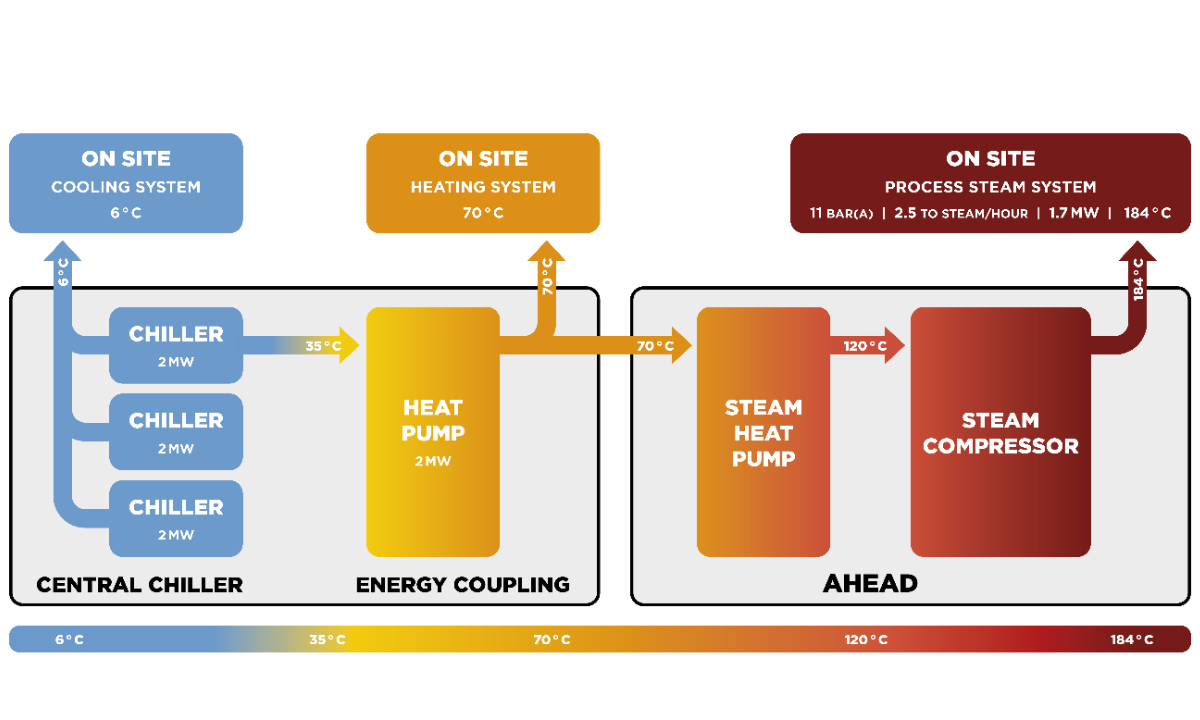
Three ammonia refrigeration units each provide up to 2MW (568TR) of cooling for building climate control at return temperatures around 35°C (95°F). Rather than discarding the waste heat from one unit, it is captured and boosted to approximately 70°C (158°F) by an ammonia heat pump, then supplied to the heating network. This efficient combination of cooling and heating forms the energetic foundation for AHEAD.
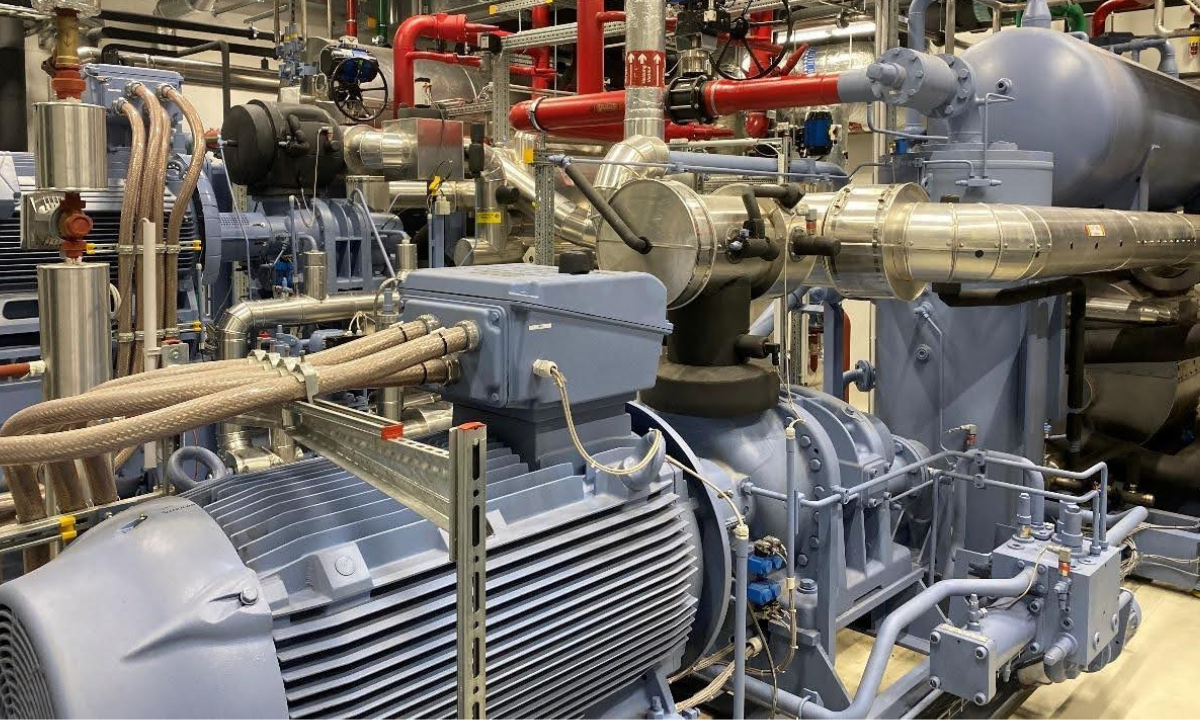
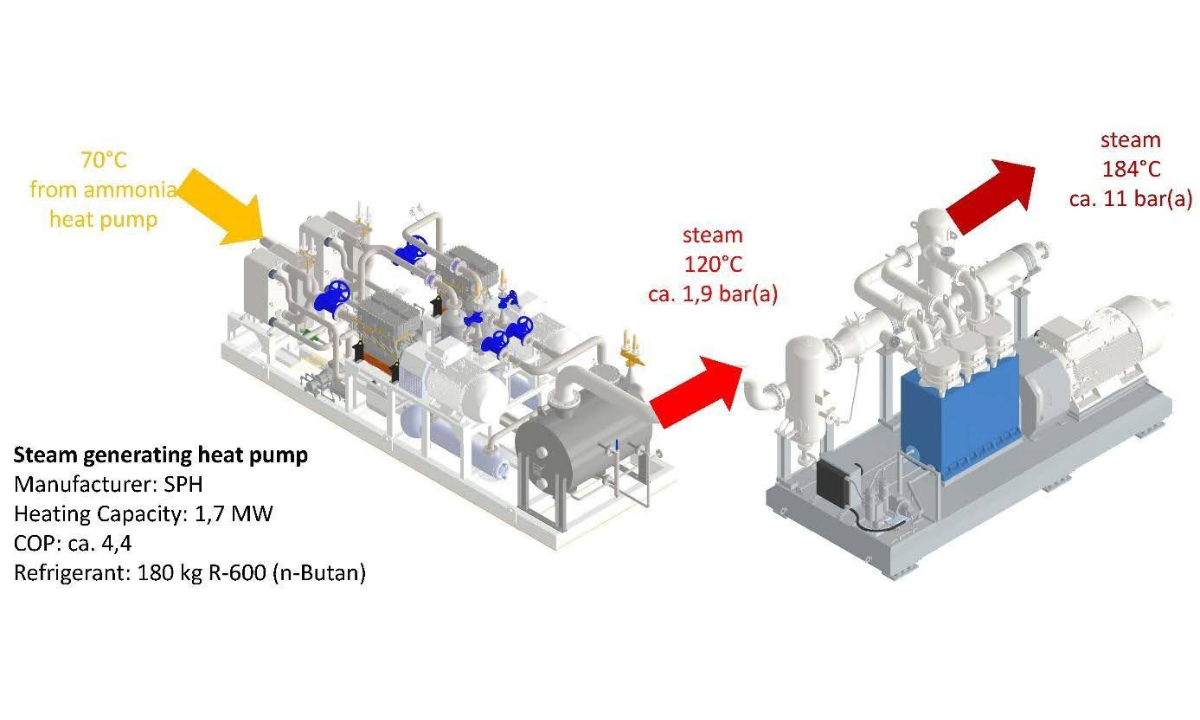
Building on this foundation, AHEAD acts as a high‑temperature extension in two stages. First, 70°C heating water is upgraded via a heat pump steam generator using butane to produce steam at around 120°C (248°F) and approximately 1.9 bar(a) (27.5psi). At this point the heat pump delivers roughly 1.7MW (483TR) of thermal capacity with a COP of about 4.4. Second, a vapor compressor further compresses the steam to 11bar(a) (159psi) and about 184°C (363°F). In total, the system can supply approximately 2.5 tons of steam per hour.
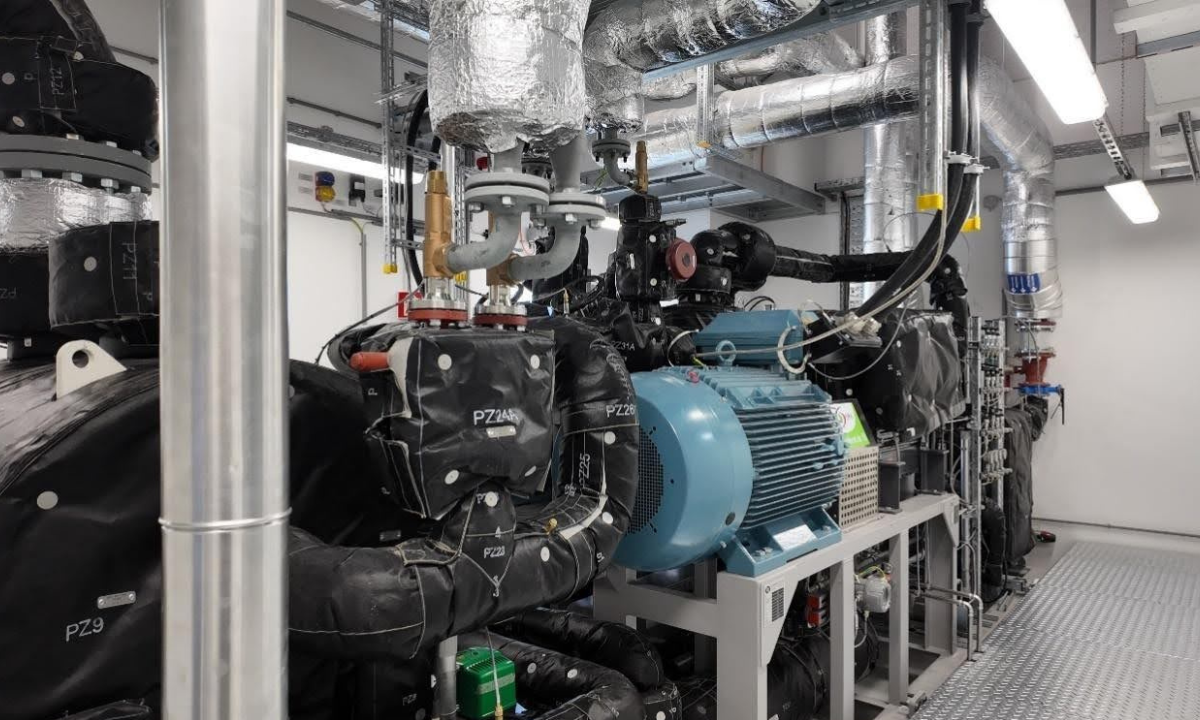
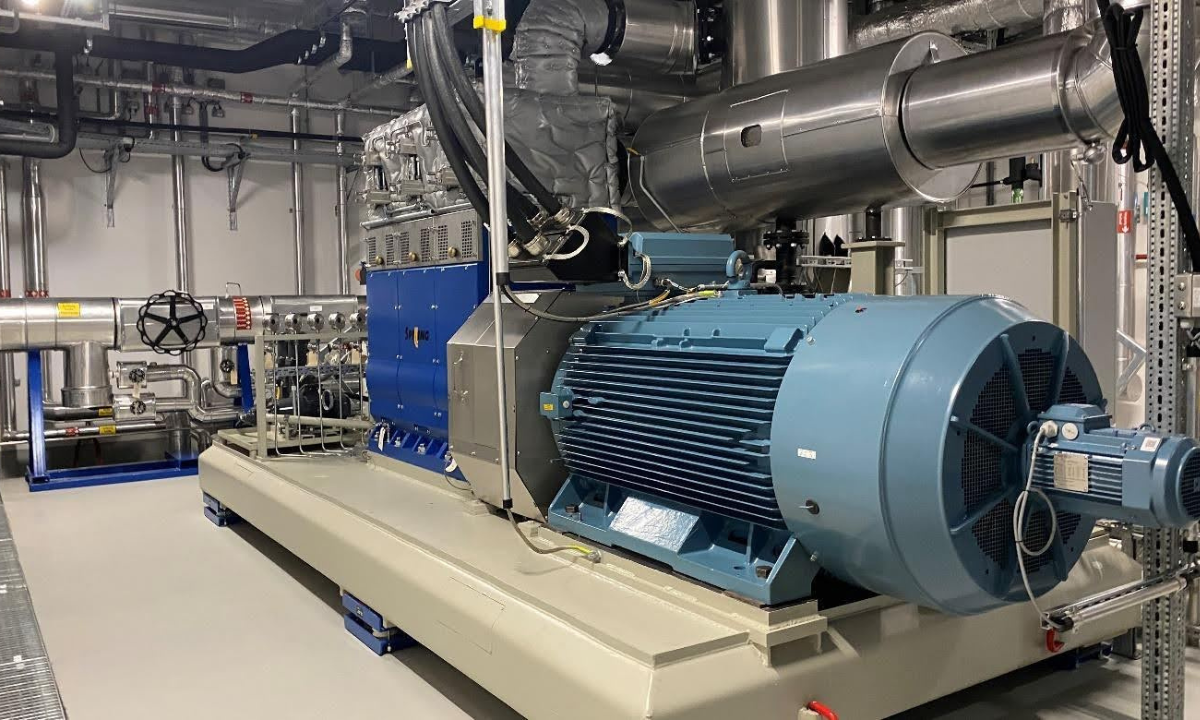
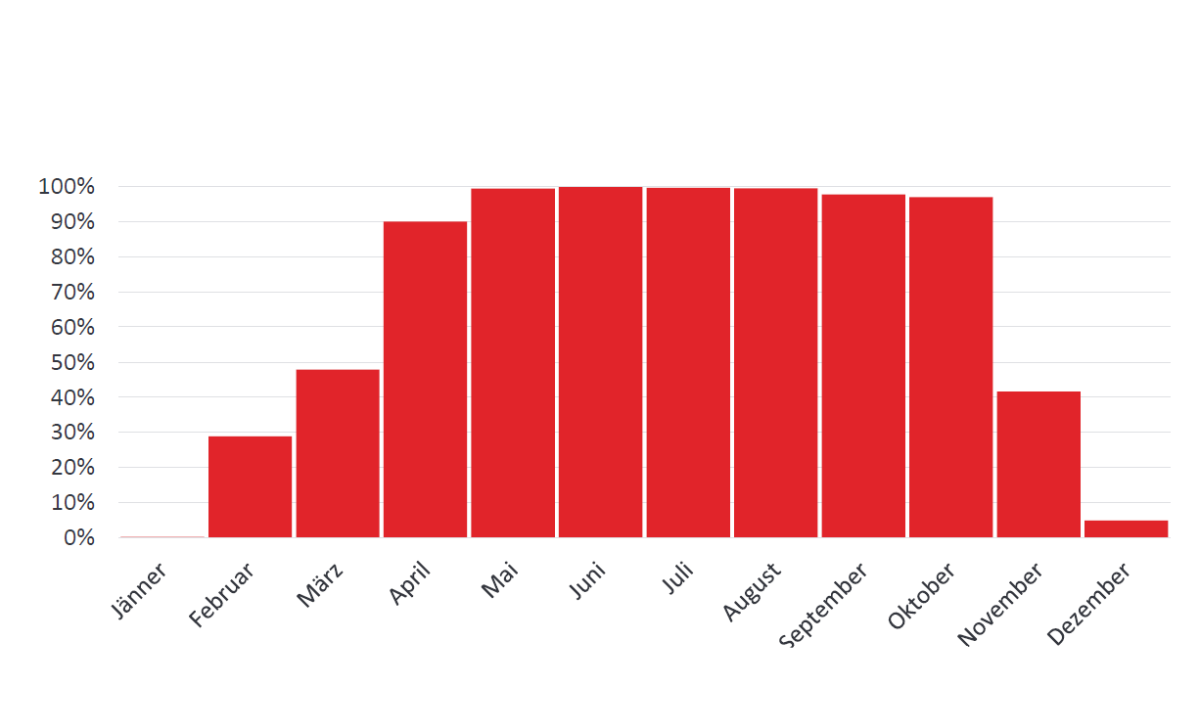
This combination supports high efficiency and stable operation. The modular design simplifies integration with existing plants and enables reproducibility at other sites. Because the system relies on recovered waste heat, seasonal effects matter. In winter months the cooling capacity is lower therefore we have less waste heat. On average over the year, AHEAD can cover around 80% of the site’s steam demand before auxiliary generators step in.
Sustainability with natural refrigerants
AHEAD makes a deliberate choice for natural refrigerants. It avoids fluorinated gases and potential PFAS (per- and polyfluoroalkyl substances) formation. PFAS are persistent and bioaccumulative, and are suspected of posing long‑term risks to the environment and human health. By operating without f‑gases, the system meets the requirements of the current EU F‑Gas Regulation and avoids substances with high global‑warming potential.
While natural refrigerants come with stricter safety requirements, they offer excellent energy performance when paired with skilled maintenance, precise engineering and a robust safety concept. AHEAD demonstrates that sustainable, efficient refrigeration and steam generation with natural refrigerants is feasible all the way up to high‑temperature industrial applications.
Project timeline, recognition and outlook
The research project began with an extensive planning phase in winter 2022. Structural preparatory work began in May 2024, with the construction phase starting in the summer of 2024.. After initial heat‑pump tests in spring 2025, the high-temperature heat pump was successfully put into trial operation in the summer of 2025, and the official go-live took place in September 2025.
AHEAD has already received notable international recognition: it was awarded the 2023 Net Zero Industries Award at the national level, presented at COP28 in Dubai, and is currently featured in the Austrian Pavilion at World Expo 2025 in Osaka as a leading example of Austrian climate innovation.
Over the coming years, the plant will be accompanied by scientific evaluation to analyze performance in continuous operation and to refine control strategies. This enables ongoing optimization. The goal is to further improve the system’s interaction with the existing infrastructure and to assess the technology’s potential for replication to other Takeda locations and across industries.
By combining high‑temperature heat‑pump technology, model‑based control and a consistent use of natural refrigerants, AHEAD shows that largely CO₂‑free steam generation for industrial processes is both technically viable and scalable. It is an important step toward fossil‑free process heat – at Takeda and beyond.