NaturalRefrigerants.com has now been live for more than a month, and its launch coincided with a busy month for the natural refrigerants industry.
A new study in the journal ChemSusChem found a link between HFOs and the super greenhouse gas HFC-23. An American manufacturer of CO2 (R744) refrigeration systems announced plans to substantially grow its production capacity and headcount. Meanwhile, an established American OEM, Zero Zone, launched new CO2 and propane (R290) products for the U.S. market, both of which showed its desire to remain ahead of the curve.
These were three of the five most-read stories on NaturalRefrigerants.com in April. The full list is below.

No. 1: Study Links HFOs to Formation of Super Greenhouse Gas HFC-23
A new study has found a link between the long-term fate of HFO degradation products in the atmosphere and the formation of HFC-23, a greenhouse gas with a 100-year GWP of 14,600 (IPCC, AR6). The degradation products of widely used HFOs – such as HFO-1234yf, HFO-1234ze(E) and HFO-1336mzz(Z) – include trifluoroacetaldehyde (TFE), trifluoroacetyl fluoride (TFF) and trifluoroacetic acid (TFA). All are defined as PFAS (per- and polyfluoroalkyl substances), or “forever chemicals,” by the Organization for Economic Co-operation and Development (OECD).
“Although the atmospheric reaction networks of TFE, TFF and TFA have a fair level of complexity, the relevant atmospheric chemical pathways are well characterized in the literature, enabling a comprehensive hazard assessment of HFC-23 formation as a secondary HFO breakdown product in diverse scenarios,” the study said.

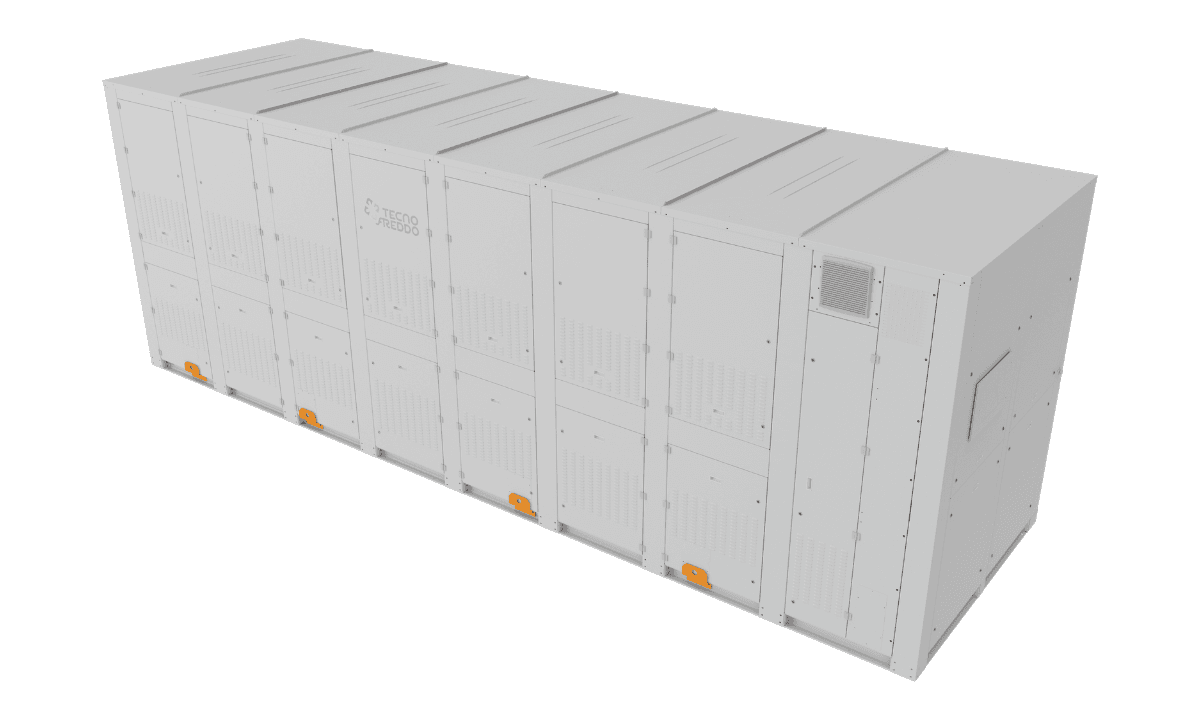
No. 2: U.S. OEM CO2 Refrigeration Systems to Open New Manufacturing Facility in Iowa
CO2 Refrigeration Systems (CRS), a manufacturer of commercial and industrial CO2 refrigeration systems and equipment, has purchased and renovated a facility in Marshalltown, Iowa, to expand its production capacity. Zach Laws, President and CEO of CRS, said the company’s focus will be on building “low volume, high value” products.
“We’ll be heavy on the engineering side and heavy on the assembly side with our manufacturing and production here in Marshalltown,” said Laws. “We’re striving to create 48 jobs over the next three years, and a lot of those will be for welders, braziers and assemblers.”
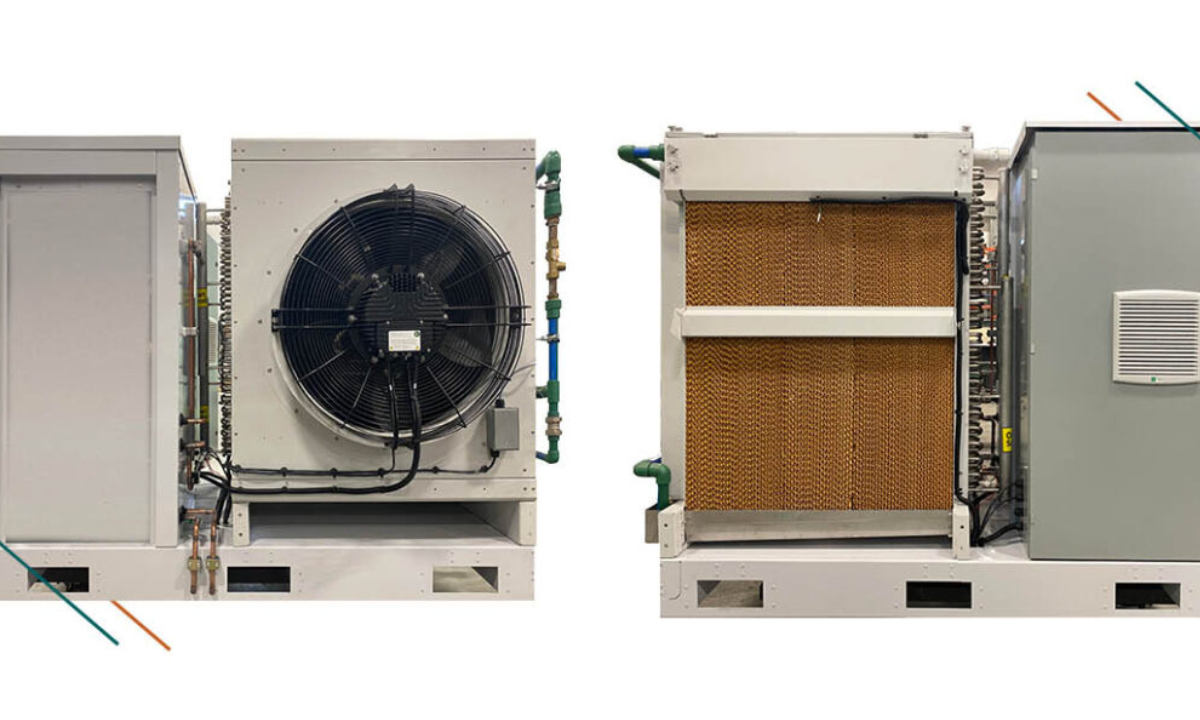
No. 3: Zero Zone Launches Transcritical CO2 Condensing Unit and Propane Chiller for U.S. Market
Zero Zone debuted a new transcritical CO2 condensing unit and a propane chiller for the U.S. market at the 2024 IIAR Conference in Orlando. The CO2 condensing unit comes in four sizes and offers refrigeration capacities from 3 to 12TR (10.5 to 42.2kW) in an operating range of 10 to 30°F (−12.2 to −1.1°C). The propane chiller offers refrigeration capacities from 3‒5TR (10.5‒17.6kW) and supplies glycol at −5 to 40°F (−20.6 to 4.4°C).
“Given the AIM [American Innovation and Manufacturing] Act and all the changes we have, these [units] are part of an evolution of our natural refrigeration products,” said John Collins, Industrial Sales Manager at Zero Zone.
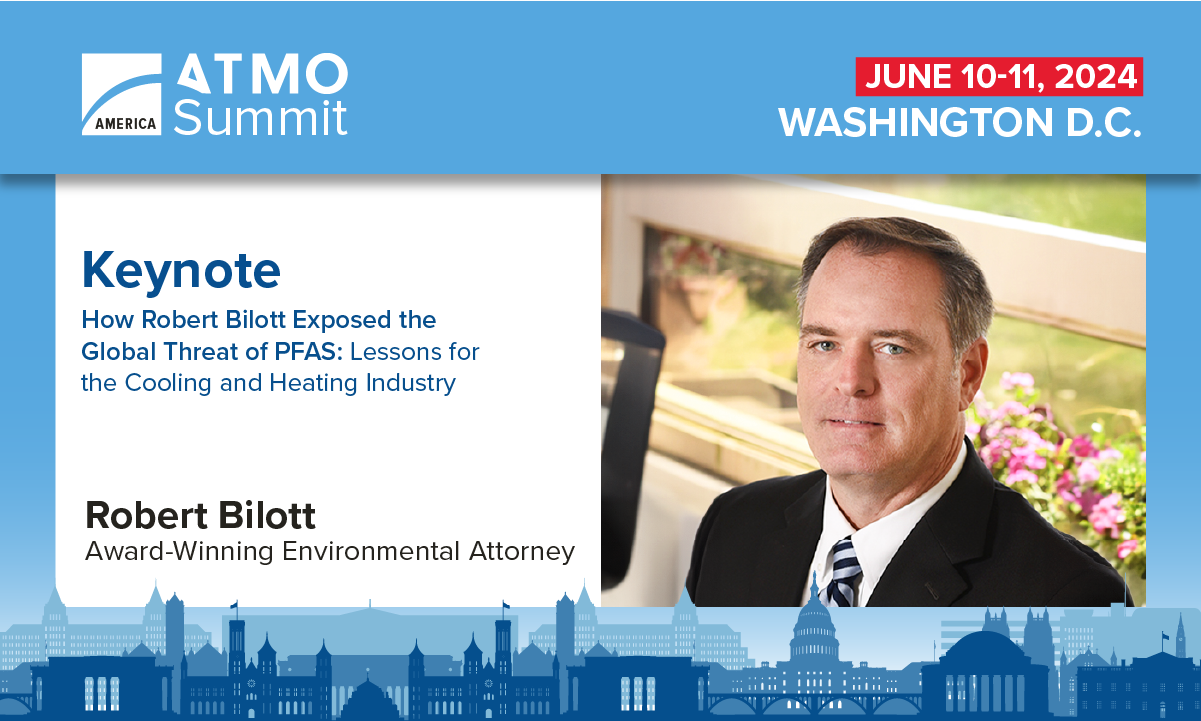
No. 4: Robert Bilott, Famed PFAS Attorney, to Be Keynote Speaker at ATMO America
Robert Bilott, a prominent U.S. environmental attorney whose lawsuits against the chemical industry exposed the prevalence and harmful health effects of PFAS, will be the keynote speaker at the ATMOsphere (ATMO) America Summit 2024. His keynote presentation, entitled “How Robert Bilott exposed the global threat of PFAS: lessons for the cooling and heating industry,” will kick off the event, which will be held in Washington, D.C., from June 10–11. ATMOsphere is the publisher of NaturalRefrigerants.com.
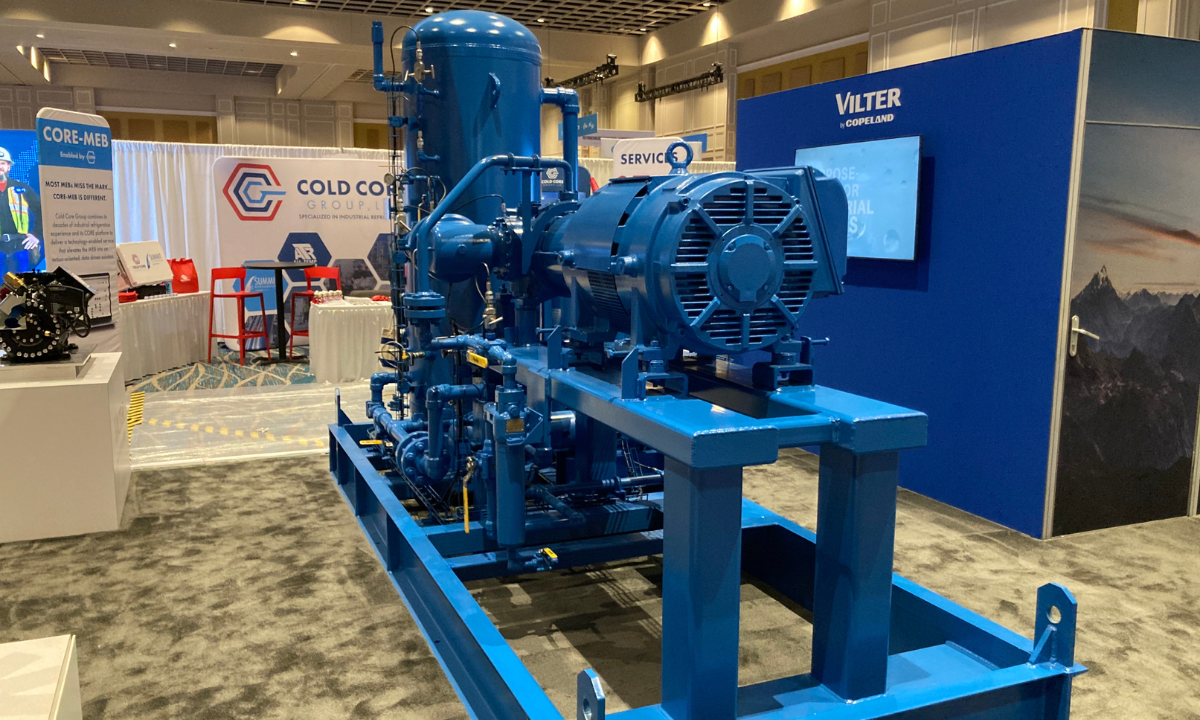
No. 5: Copeland Starts Production of Vilter Industrial CO2 Units Using Screw Compressors
U.S. manufacturer Copeland has launched its first Vilter-branded industrial CO2 compressor unit, which uses single-screw compressors for transcritical and subcritical applications or both. The transcritical unit can handle pressures up to 124bar (1,800psig) and provide up to 366TR (1,287.2kW) for medium-temperature applications. The subcritical unit can handle pressures up to 52bar (754psig) and provide up to 845TR (2,971.7kW) for low-temperature applications and up to 485TR (1,705.7kW) for ultra-low-temperature applications.
“We are seeing a drive to CO2 that is unprecedented,” Lauren MacGowens, Director of Sustainability Engineering for Vilter by Copeland, told NaturalRefrigerants.com.