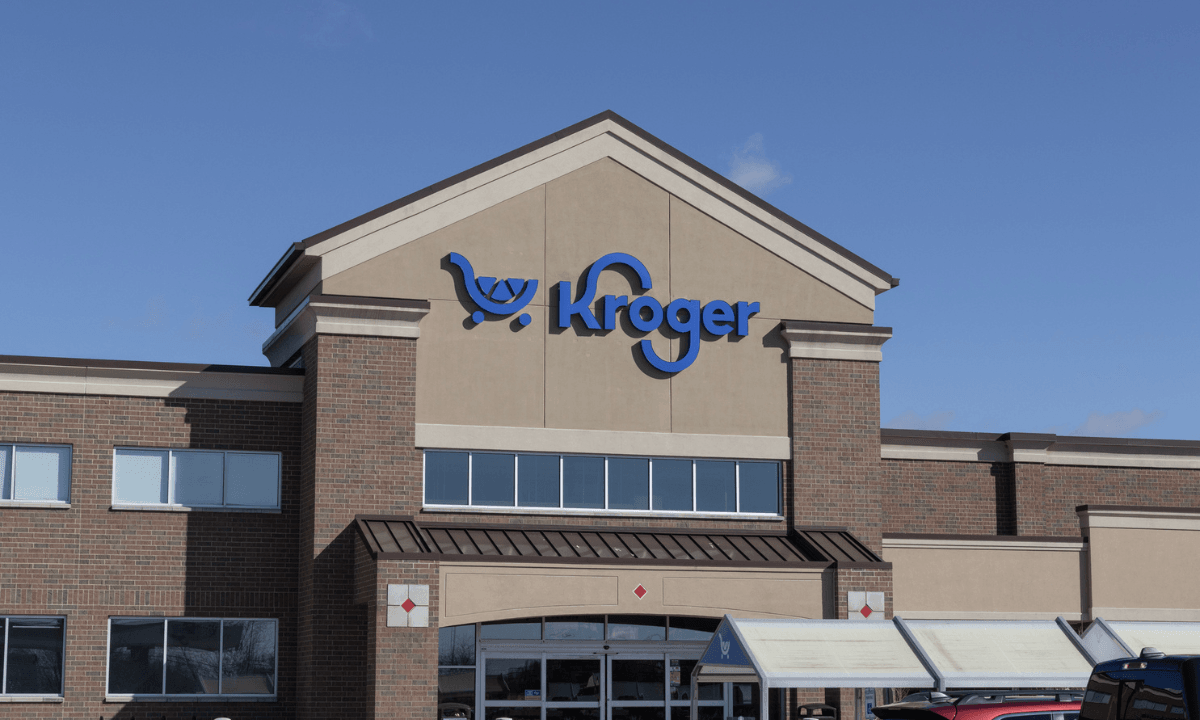
U.S. supermarket operator the Kroger Company has agreed to spend an estimated $100 million (€86 million) to retrofit or replace large commercial refrigeration systems at 600 stores as part of a settlement with the U.S. Department of Justice over alleged Clean Air Act violations.
In addition to updating equipment, the chain will pay a $2.5 million (€2.15 million) civil penalty. The agreement follows an investigation by the U.S. Environmental Protection Agency (EPA) into Kroger’s refrigerant records and leak-repair practices.
“The settlement resolves Kroger’s failure to promptly repair refrigerant equipment leaks of the refrigerant R22, a powerful ozone-depleting hydrochlorofluorocarbon (HCFC), between 2014 and 2023,” the Department of Justice said, adding that the company also failed to keep adequate refrigeration service records.
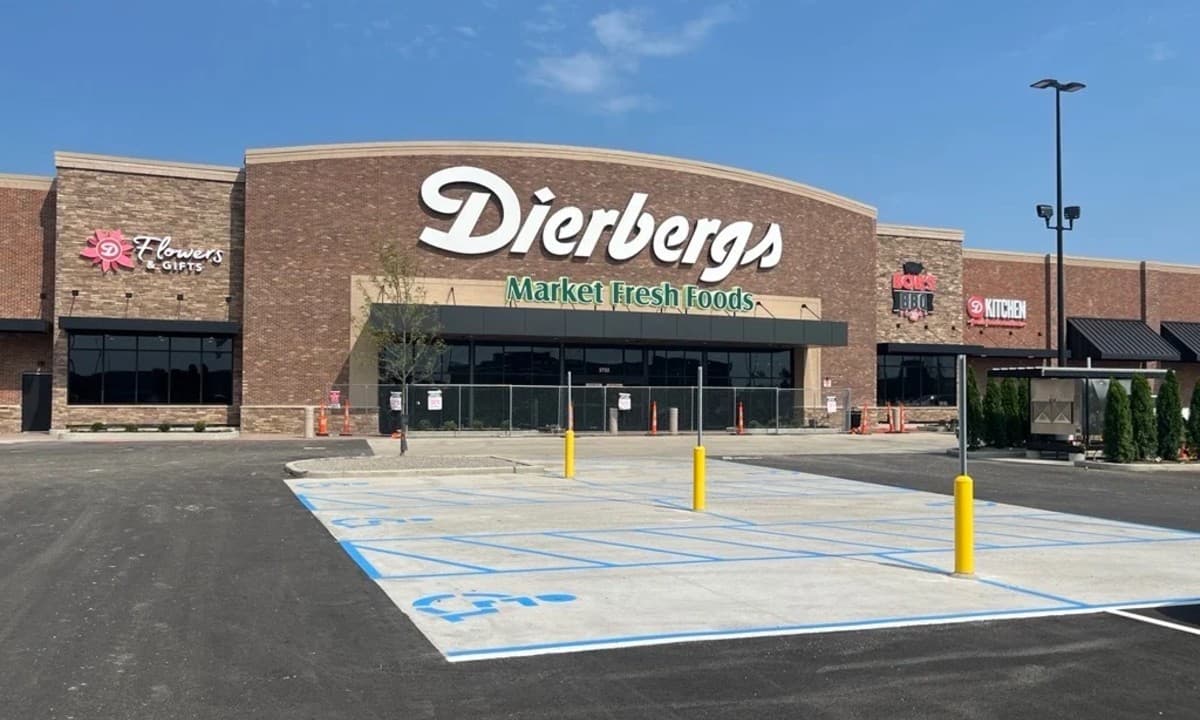
Kroger operates 2,698 stores nationwide, with numerous grocery chains under its umbrella, including Baker’s Supermarkets, City Market, Dillons, Fred Meyer, Fry’s, Harris Teeter, King Soopers, QFC (Quality Food Centers), Ralphs and Smith’s Food and Drug.
In 2022 both stakeholders and consumers raised concerns about Kroger’s handling of HFCs. At the company’s annual general meeting, 35% of voting shareholders backed a resolution filed by Friends Fiduciary, calling on Kroger to issue a report outlining how it would “address its HFCs and meet its climate goals.” That same year, more than 12,300 people signed a petition, launched by NGOs Green America and the Environmental Investigation Agency (EIA), urging the retailer to “end its use of HFCs in all facilities and stores by 2030.”
Stipulated timeline: Kroger has until December 31, 2028, to complete the conversion of all 600 systems to either non-ozone-depleting refrigerants with a GWP of less than 1,400 or an exempt alternative such as natural refrigerant CO2 (R744), according to the lodged consent decree in the United States District Court for the Southern District of Ohio Western Division.
- Under the schedule, Kroger must convert at least 175 refrigeration systems by the end of 2026 and 350 by December 31, 2027.
- Kroger must prioritize the worst-performing systems, with at least 25% of annual equipment conversions drawn from the top 20% of systems with the highest leak rates over the preceding 12 months.
Natural refrigerant potential: Michael Dellecave, Manager of Mechanical Services at Kroger, announced at ATMOsphere America Summit 2024 that the retailer would install transcritical CO2 refrigeration systems in all its new stores starting in 2025. ATMOsphere is the publisher of NaturalRefrigerants.com.
- At the time of Dellecave’s presentation, Kroger operated 12 transcritical CO2 stores and planned to open five new CO2 stores in that fiscal year.
- NaturalRefrigerants.com has contacted Kroger regarding the potential use of transcritical CO2 in the 600 stores slated for retrofits or replacements. The company did not immediately respond.
CO2 availability: Several U.S. manufacturers offer CO2 solutions for commercial applications. In 2015 Kroger opened its first transcritical CO2 store, with a system produced by Hillphoenix.
- As of June 2024 Hillphoenix has installed over 1,500 CO2 systems for 80 different customers in North America, according to Director of Product Management Systems Subodh Sharma.
- Kysor Warren Epta US, part of the Epta Group, manufactures transcritical CO2 systems for small to large retail stores. In a 2024 pilot study, a Cincinnati Kroger store experimented with the company’s XTE technology, which consists of Energy Recovery’s PX G1300 pressure exchanger and a transcritical CO2 booster system.
- Hussmann continues to expand its transcritical CO2 offerings, launching its Protocol CO2 system in 2025 for indoor commercial applications, with capacities ranging from 90–400MBH (7.5–33.3TR/26.4–117.2kW).
Quotable: “Compliance with the Clean Air Act protects human health,” said Adam Gustafson, the Justice Department’s Principal Deputy Assistant Attorney General in the Environment and Natural Resources Division. “Fixing leaks of ozone-depleting refrigerants makes a real difference in protecting all Americans from the harmful effects of solar radiation.”
“Fixing leaks of ozone-depleting refrigerants makes a real difference in protecting all Americans from the harmful effects of solar radiation.”
Adam Gustafson, the Justice Department’s Principal Deputy Assistant Attorney General in the Environment and Natural Resources Division