Vietnam is prioritizing natural refrigerants under its National Green Cooling Action Plan (NGCAP) to curb cooling-related emissions, according to an op-ed in the Vietnam Investment Review by Do Manh Toan, Country Program Coordinator for the Southeast Asia Energy Transition Partnership (ETP).
Vietnam is shifting from ozone-depleting HCFCs and high-GWP HFCs and is focusing on sustainable alternatives like propane (R290), ammonia (R717) and CO2 (R744). This transition, alongside improved energy efficiency, is critical to meeting Vietnam’s Nationally Determined Contributions (NDCs) and achieving net-zero emissions by 2050 as cooling demand surges.
“Vietnam’s continued use of HFCs presents a major threat to its climate goals,” said Toan. “By embracing green cooling technologies, Vietnam is not only reducing its carbon footprint but also setting an example for sustainable development in the region.”
The NGCAP was developed by ETP and Vietnam’s Ministry of Natural Resources and Environment (MONRE) under its National Green Cooling Program (NGCP), an initiative supported by the Department of Climate Change and the UN Economic and Social Commission for Asia-Pacific. The ETP is a program of the UN Office for Project Services.
“Vietnam’s continued use of HFCs presents a major threat to its climate goals. By embracing green cooling technologies, Vietnam is not only reducing its carbon footprint but also setting an example for sustainable development in the region.”
Do Manh Toan, Country Program Coordinator for the Southeast Asia Energy Transition Partnership
Cooling demand on the rise
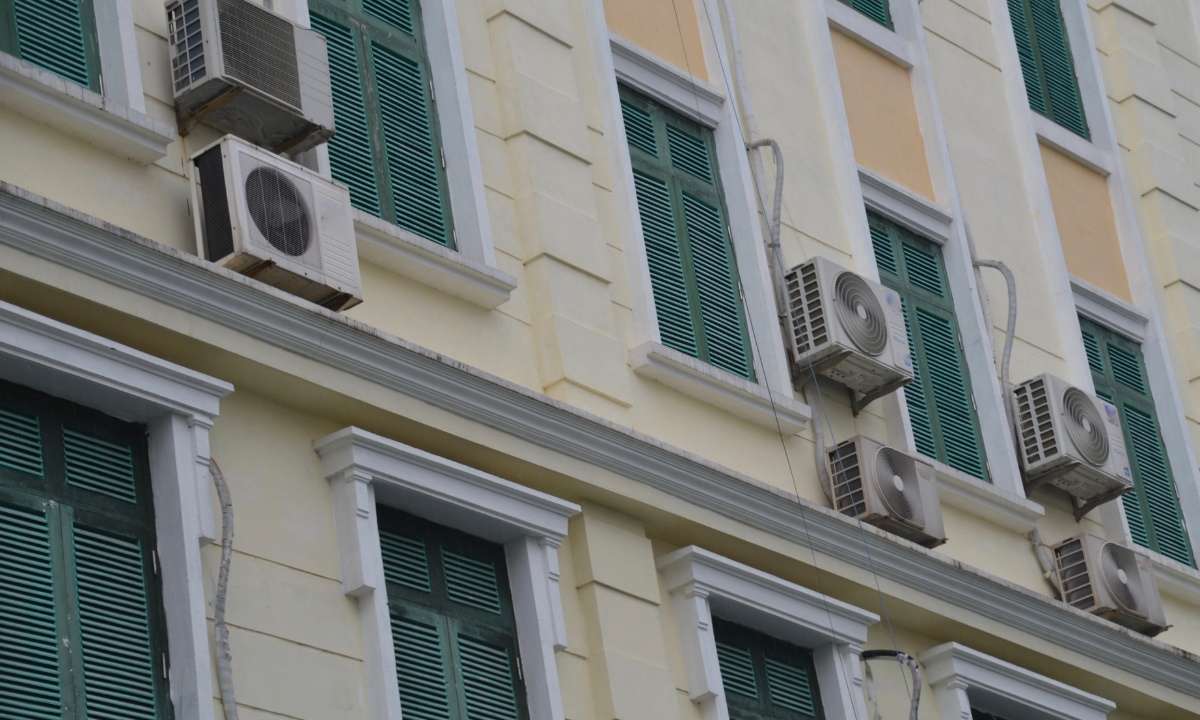
As global temperatures rise and Vietnam undergoes rapid modernization and urbanization, cooling demand has surged, growing by 2.3% annually between 2018 and 2022. Residential and commercial air-conditioning saw a 7.6% increase, with the number of air conditioners expected to triple from 20 million in 2022 to 75 million by 2050.
Industrial cooling, including food processing, cold storage and pharmaceuticals, is also expanding rapidly.
This rise in cooling demand threatens to escalate emissions, both directly through high-GWP refrigerants and indirectly through fossil fuel-generated electricity. Under a business-as-usual scenario, Vietnam’s cooling sector could emit more than 115 million tons of CO2 equivalent annually by 2050, up from 64.7 million tons in 2022.
According to Toan, refrigerants account for around 16% of Vietnam’s cooling-related emissions.
Making the transition
Vietnam will phase out HCFCs by 2040 and phase down HFCs by 80% by 2045 under the Kigali Amendment to the Montreal Protocol, which it ratified in September 2019. While there is a general trend toward using lower-GWP refrigerants, stronger policy interventions are needed to ensure the wider adoption of natural alternatives.
According to a report from the NGCP, hydrocarbons are not yet widely used outside the residential refrigeration sector due to safety concerns and related issues around standards and technician training. Training initiatives are already being implemented in Vietnam to support the transition to natural refrigerants.
However, the program urges the immediate introduction of R290-based air-conditioning to support Vietnam’s HFC phasedown. To achieve its NDC and net-zero targets, the NGCP report sets a goal of introducing R290-based technologies to the residential and commercial AC market in 2025, achieving 5% penetration in 2030 and 80% penetration by 2050.
The country also plans to expand ammonia- and R290-based chillers in commercial sectors and CO2 and ammonia in industrial applications, including refrigerated transport. The NGCP also calls for accelerated research into new refrigerants, addressing concerns such as the flammability of hydrocarbons, the toxicity of ammonia and the environmental and health impacts of HFOs.
Improving efficiency
Beyond refrigerant transitions, the NGCAP also prioritizes energy efficiency improvements in cooling systems. Cooling already accounts for more than 25% of Vietnam’s electricity use, a figure expected to triple by 2050 without intervention.
The plan advocates for stronger Minimum Energy Performance Standards (MEPS), aiming to improve AC efficiency by 50% by 2050 – or up to 80% with best-available technologies. Natural refrigerants offer better energy efficiency, further reducing emissions.
By enhancing cooling efficiency, Vietnam could cut energy use by up to 62 terawatt hours by 2050, strengthening energy security, reducing air pollution and lowering electricity costs for households and businesses.
According to Toan, enhancing the energy efficiency of cooling equipment alone could cut Vietnam’s overall greenhouse gas emissions by more than 9%.