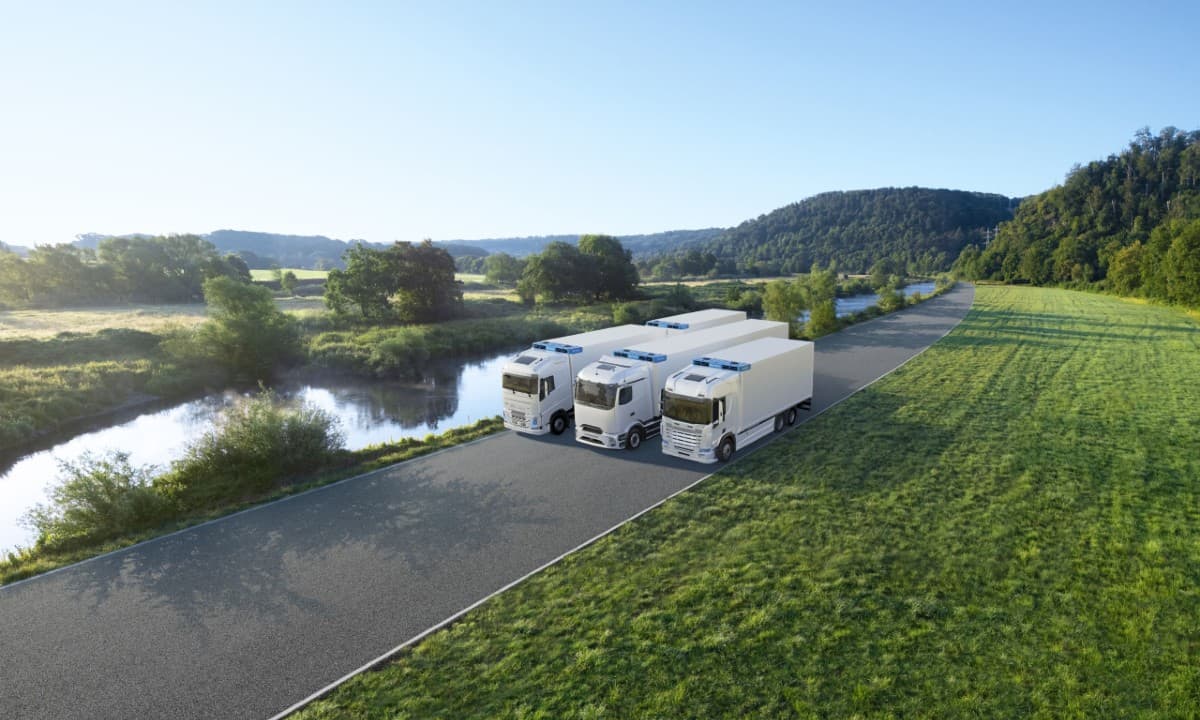
A CO2 (R744) system with a fixed orifice (FO) and a variable-speed compressor can cut carbon emissions by up to 30% in a refrigerated delivery truck compared to one with a modulated orifice (MO) and fixed-speed compressor, says Francesco Fabris, Postdoctoral Researcher at the Italian National Research Council, Construction Technologies Institute.
Using simulated modeling, Fabris evaluated various CO₂ system layouts ‒ providing 4‒5kW (1.4‒1.7TR) of cooling capacity at 0°C (32°F) ‒ to determine the emissions tradeoff between a more complex, heavier system that has higher COPs but uses more energy.
Fabris outlined his work and results in a presentation at the 16th Gustav Lorentzen Conference, held at the University of Maryland from August 11‒14.
“The scroll compressor used in the fixed-orifice unit offers the double advantage of increasing the COP and reducing the weight of the system, leading to a 15.5‒30% reduction in carbon emissions compared to the modulating orifice layout with a fixed-speed semi-hermetic compressor based on the climate conditions,” Fabris said.
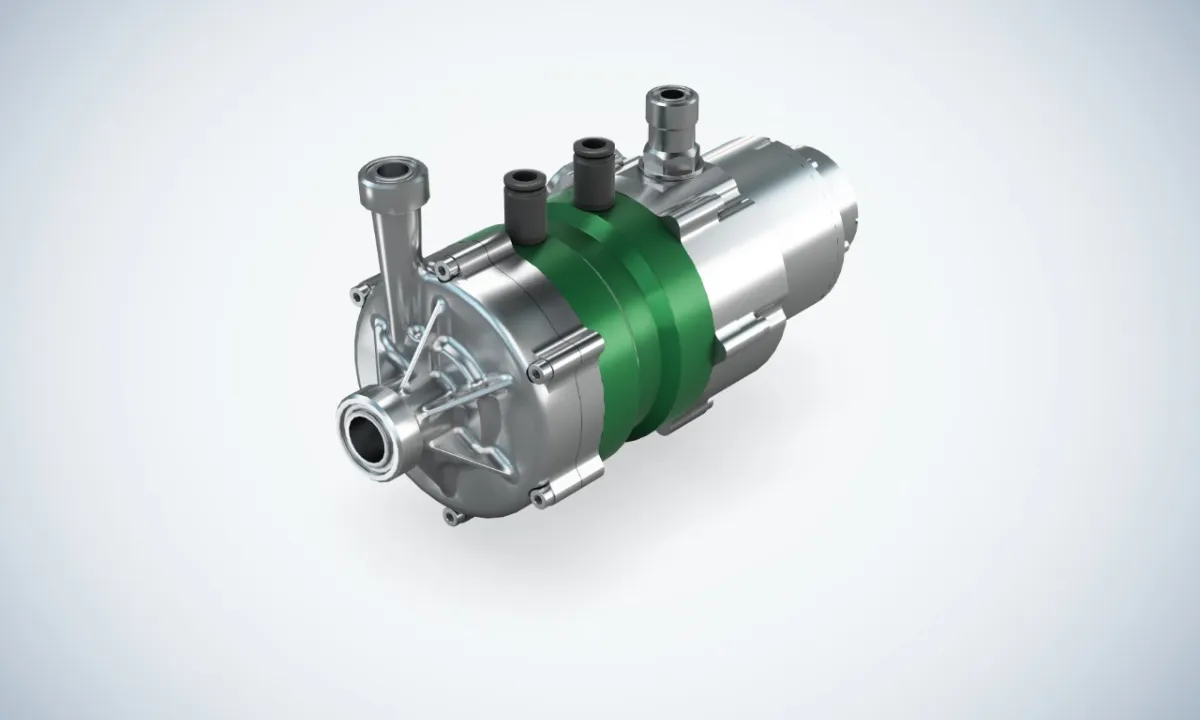
The difference in the weight of the two layouts derives from the compressor, with the variable-speed unit weighing 13.8kg (30.4lbs) and the fixed-speed 77.3kg (170.4lbs). The other system components on the layouts weigh the same, including the gas cooler, evaporator and liquid separator.
In both layouts, adding an ejector provides the highest COPs. “The use of an ejector [in the FO layout] can further reduce the carbon emission by 6‒17% compared to a simple expansion valve,” Fabris said.
During his presentation, Fabris announced that a prototype of the fixed-orifice CO2 system using ejector technology is currently under construction, with plans to install it in a delivery truck.
Model parameters and configurations: The simulation considered a light commercial vehicle traveling 150km (93.2mi) between 8 am and 10 pm while making 20 five-minute stops with the box doors open during deliveries.
- The three configurations for the MO layout with a fixed-speed semi-hermetic compressor were one with back pressure, one adding an ejector and and one with an ejector and an auxiliary evaporator.
- The two configurations for the FO layout with a variable-speed scroll compressor were one with a fixed expansion valve and one with an ejector.
Evaporator size considerations: The study also considered the effect of evaporator size on COPs in four climate zones: Helsinki, Finland, representing a cold European climate; Strasbourg, France, a mild climate; Athens, Greece, a hot climate; and Phoenix, Arizona (U.S.), a hot desert climate.
- “An undersized evaporator always leads to an increased carbon footprint, with the reduced thermodynamic performance impacting the overall emissions more than the additional weight of a larger evaporator,” Fabis said.
- However, in cold climates with a lower heat load, the weight of an oversized evaporator increases carbon emissions.
Mobile hydrocarbon systems: Two European companies have hydrocarbon-based electric transport refrigeration systems in various stages of development and implementation.
- In 2023, German transport refrigeration specialist ECOOLTEC Grosskopf rolled out a propylene (R1270)-based unit with a secondary CO₂ (R744) circuit for large trucks. The U.K.’s largest supermarket chain, Tesco, added two new 18-ton trucks with the refrigeration technology to its transportation fleet earlier this year.
- Austrian technology company pbx partnered with an organic food supplier in 2023 to install and test its propane (R290)-based refrigeration units in light commercial electric vehicles. With the vans charged by photovoltaics, the fleet is emissions-free.
Quotable: “A trade-off between system complexity, thermodynamic performance, components and controls optimizations and weight reduction is crucial for the proper design of a transport refrigeration unit to reduce its carbon footprint,” Fabris said.