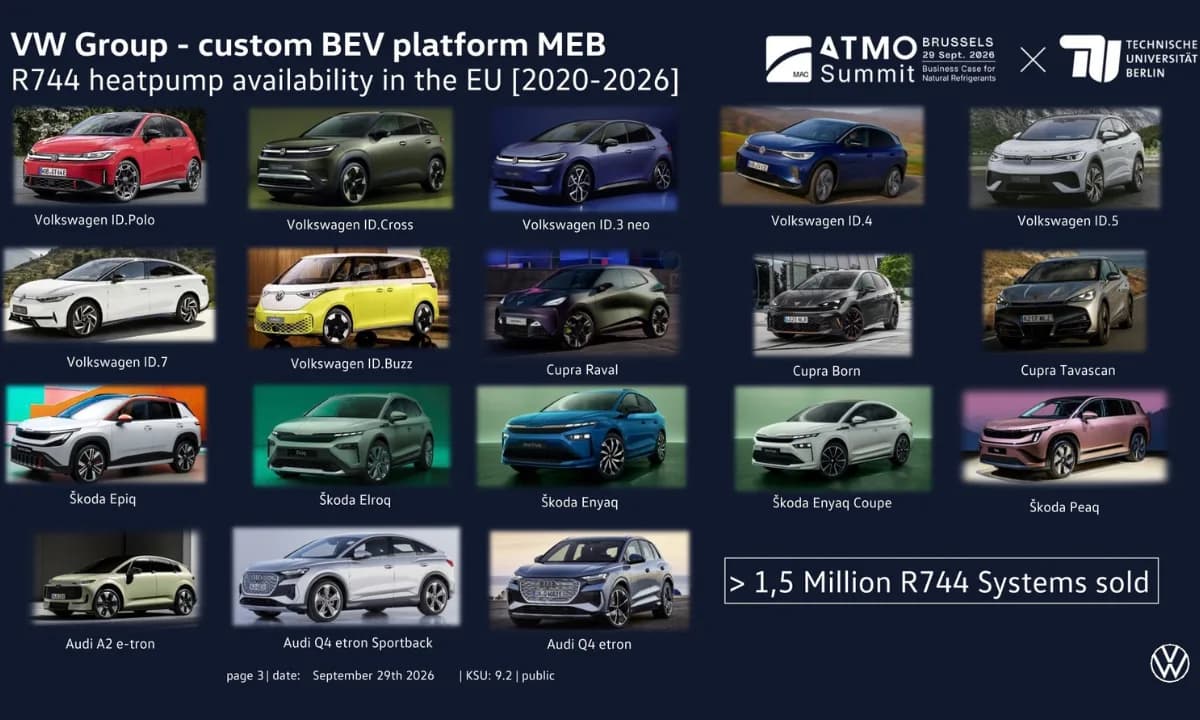
There are more than 1 million Volkswagen electric vehicles (EVs) on the road with CO2 (R744) heat pumps, which includes a handful in Canada.
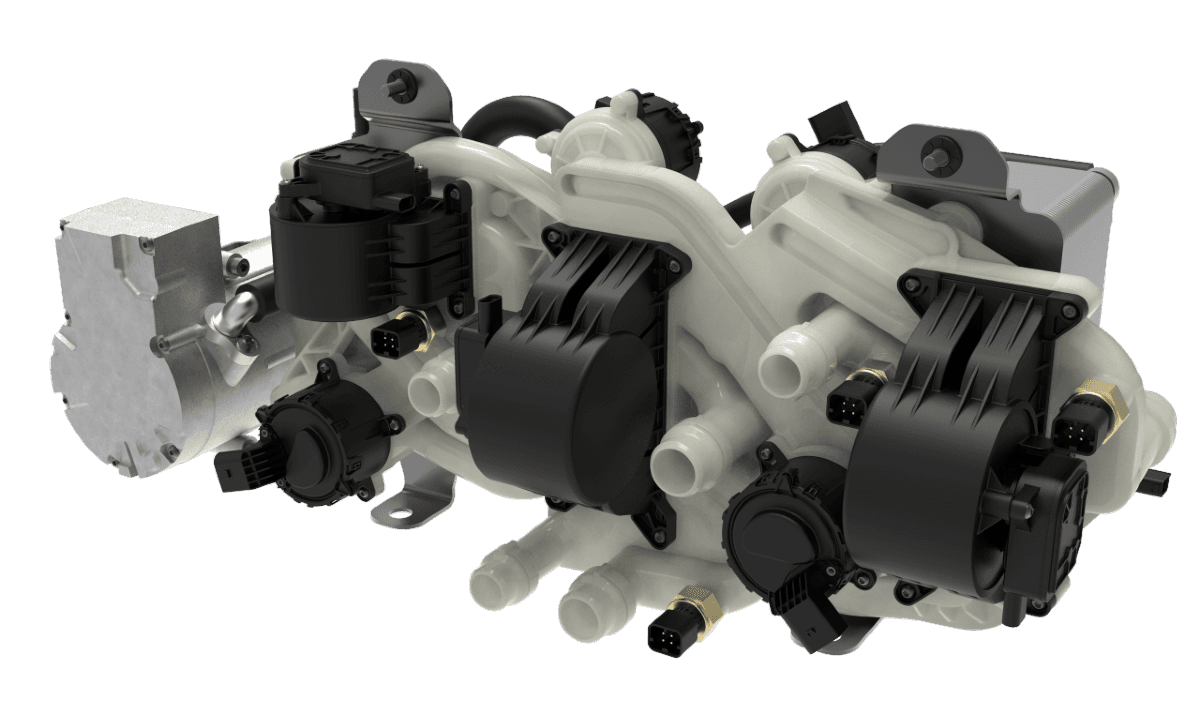
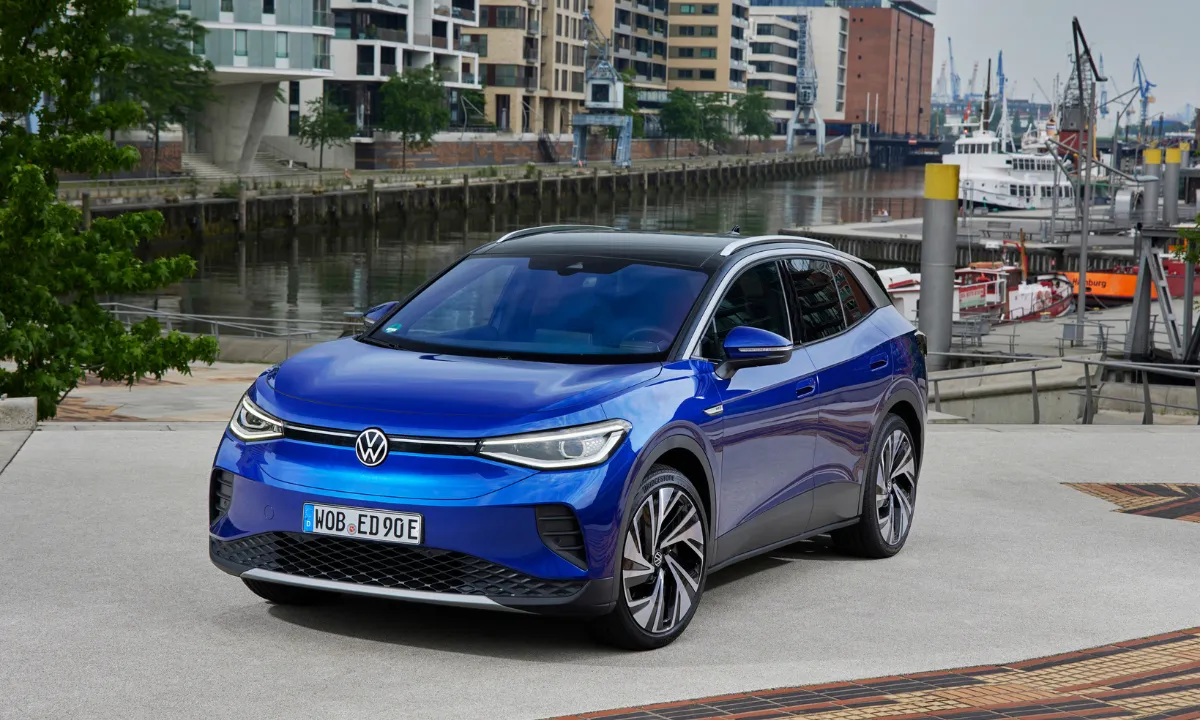
Volkswagen Canada has offered the ID.4 since 2021, and many of the vehicles sold in Canada have been equipped with a CO2 heat pump, according to the Mobile Air-Conditioning Society. Manufactured by Hanon Systems, a South Korean provider of automotive thermal management systems, the unit features a 5.5kW (1.6TR) CO2 compressor. The optional heat pump costs CA$1,500 (US$1,057/€918).
The ID.4 model is built on the Volkswagen Group’s modular electric drive matrix (MEB) platform, which also supports a wide range of EVs, including the ID.3 and ID.5, Audi Q4 e-tron and Q4 Sportback e-tron, the Škoda Enyaq and Enyaq Coupé, and the Cupra Born and Tavascan. These vehicles are all available with an optional R744 heat pump.
Volkswagen sold 4,600 ID.4s in Canada in 2025. The first ID.4s were manufactured in Germany and imported, but since 2022 Volkswagen has built them at its plant in Chattanooga, Tennessee.
In April 2026, the carmaker announced it would end ID.4 production at the facility as part of a strategy to prioritize production of what the company called “high-demand vehicles.” Volkswagen said a future version of the ID.4 is planned for the North American market, with further details to be announced later.
Coming to America?: Since Volkswagen sells CO2-equipped vehicles in Canada, its dealers are required to have R744 air-conditioning service equipment to maintain them. In the U.S., Volkswagen dealers are not subject to this requirement as they do not offer EVs with CO2 heat pumps.
- However, Audi dealers in the United States apparently are required to have CO2 service equipment.
- Audi sells four EVs in the U.S., none of which are currently offered with CO2 heat pumps.
Doubling down on design: At the ATMO MAC Summit 2025 × TU Berlin, Volkswagen shared how it is improving the efficiency of its CO2 heat pumps. The Summit was hosted by ATMOsphere, publisher of NaturalRefrigerants.com.
- Johannes Schwerter, a Test Engineer in the company’s R&D division, said the first-generation system was “over-designed” to account for the higher temperatures and pressures CO2 operates at.
- “Our first CO2 compressor weighed 7.6kg [16.8lbs]” said Schwerter. “We’ve now introduced a second version of the compressor that is a half kilogram [1.1lbs] lighter, bringing the weight to 7.1kg [15.7lbs].”
- The design of the gas cooler is also being examined to address ice building caused by harvesting heat from the ambient air, with a vertical rather than horizontal orientation of the gas cooler tubes being considered to allow melted frost to run off the unit.
The future of MAC: CO2 and propane (R290) are critical for the future of MAC, according to Professor Stefan Elbel, Head of the Department of Heat Transfer and Heat Conversion at Technische Universität Berlin. The shift is driven by environmental necessity and regulatory forces, he noted.
- In May 2026, Sanden announced it is co-developing a propane-based integrated thermal management system for EVs with what the company described as a “major” Chinese automaker. China is expected to lead the adoption of natural refrigerants in EVs, according to S&P Global Mobility.
- Vehicle HVAC manufacturer Aurora Netherlands has developed a dual-secondary loop propane heat pump HVAC system for electric buses. The manufacturer had sold 165 units as of November 2025.
- In 2024 Ford released an electric version of its Explorer SUV with an optional CO2 heat pump. The electric Explorer is also built on Volkswagen’s MEB platform.