Broader prototype testing and robust national regulation on energy-efficient climate-friendly cooling technologies are critical to accelerating the adoption of propane (R290) in refrigerated shipping containers – commonly called reefers – according to the Greener Reefer Transition Alliance.
In its white paper – Accelerating the Transition to Climate and Environmentally Friendly Reefers – developed in collaboration with the Kuehne Climate Center and GIZ (German Society for International Cooperation), the alliance outlines a roadmap for reducing the environmental impact of reefers. It emphasizes that technician training, stakeholder education and financing programs must accompany technological advancements.
Natural Refrigerants Represent ‘Crucial Step’ in Decarbonizing Shipping
Emissions reductions
Today’s global reefer fleet emits nearly 19 million metric tons of CO2e annually. Over 95% of these containers use R134a, which is responsible for 96% of the fleet’s total emissions. The industry’s 15–25% leakage rate exacerbates the problem, increasing both direct refrigerant emissions and indirect (energy-related) emissions from inefficient operation.
By transitioning to high-efficiency technologies, deploying R290 across half of the world’s reefer fleet and complying with existing regulations – such as the International Maritime Organization’s 2023 GHG Reduction Strategy, the Kigali Amendment and the EU F-gas Regulation – the sector could reduce its 2050 emissions by more than 20%, according to the paper.
Achieving this outcome, however, requires the industry to overcome several technical, safety, market and policy challenges.
“The maritime sector must overcome these hurdles immediately,” the report urges. “Transformation demands urgent and unified action across the industry.”
“Transformation demands urgent and unified action across the industry.”
Greener Reefer Transition Alliance
Supporting R290
While propane is gaining ground in other mobile cooling sectors – including electric vehicles, passenger trains and refrigerated trucks – it has yet to break into the reefer market commercially. No R290-based container refrigeration units are available for sale despite increasing interest from manufacturers.
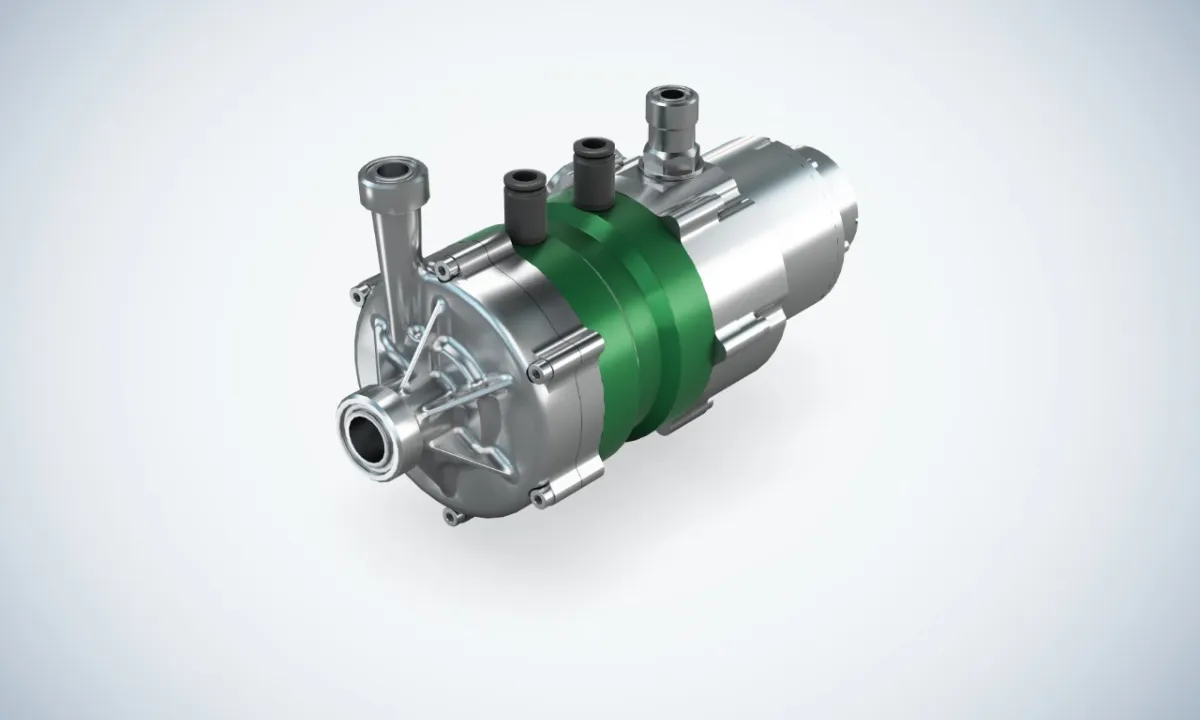
To bridge this gap, the alliance calls for accelerated development and testing of prototypes, such as the one currently being developed by GIZ and Thermo King. These trials would demonstrate R290’s safety, performance and system compatibility, laying the groundwork for wider industry adoption.
The alliance also calls for supportive national policies to drive R290 adoption. Cooling action plans, minimum energy performance standards and financial incentives – including subsidies or rebates – could significantly encourage investment in natural refrigerants. Updating safety standards to accommodate flammable refrigerants like propane is another key requirement.
Training technicians to safely handle flammable refrigerants and building broader awareness of R290’s environmental and economic benefits will be essential, as will programs that lower the cost of adopting new technologies.
Leapfrogging HFOs
As the industry explores lower-GWP alternatives, HFO R1234yf has emerged as a front-runner, mainly due to its use in other mobile cooling applications. Maersk Container Industry (MCI), for instance, has produced more than 1,000 R1234yf units since 2018 and plans to manufacture at least 5,000 more “in the coming weeks,” the paper notes.
However, the alliance argues that R1234yf offers no clear advantages over propane in terms of performance or process costs. It is also an A2L refrigerant and requires similar safety compliance as R290. Moreover, as a per- and polyfluoroalkyl substance (PFAS), R1234yf faces potential regulatory restrictions in the EU under the Universal Restriction Proposal, which was discussed by the European Chemicals Agency at recent meetings.
“Natural refrigerants emerge as the sole viable solution for environmentally sustainable refrigeration processes,” the report says. “Manufacturers investing in synthetic refrigerants for cost reasons today will soon face the reality of needing to switch to more sustainable options.”
“Manufacturers investing in synthetic refrigerants for cost reasons today will soon face the reality of needing to switch to more sustainable options.”
Greener Reefer Transition Alliance