U.S.-based OEMs Hillphoenix and Copeland both made big news in May, with the former announcing a new product for CO2 (R744) systems and the latter a new manufacturing facility investment. However, it wasn’t just equipment makers that garnered headlines last month. The mobile air-conditioning (MAC) sector also made a splash, with a consulting firm’s white paper forecasting a sharp rise in the use of natural refrigerants in the area.
These were three of the five most-read stories on NaturalRefrigerants.com in May. The full list is below.
No. 1: What’s the Best Way to Prevent Release of CO2 Refrigerant in a Power Outage?
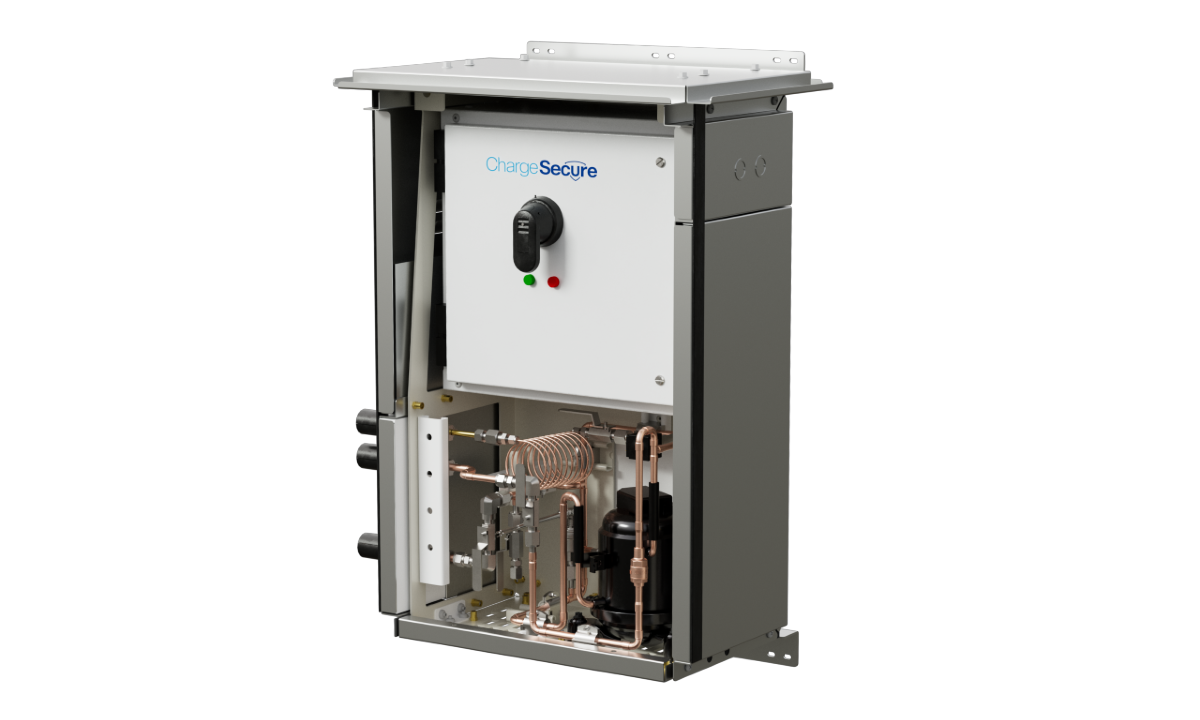
Extended periods without power can cause CO2 refrigeration systems to warm, increasing pressure levels and potentially opening relief valves, leading to a loss of charge. To help CO2 refrigeration systems maintain charge during extended periods without power, U.S.-based OEM Hillphoenix is releasing a new product this summer: ChargeSecure.
ChargeSecure, powered by an uninterruptible power supply (UPS) battery backup or emergency power, prevents pressure buildup by maintaining a CO2 circuit from the flash gas receiver to the compressor and the gas cooler.
No. 2: Copeland Investing £19 Million in Northern Ireland Plant to ‘Meet European Demand for Sustainable, Low-Carbon Heat Pumps’
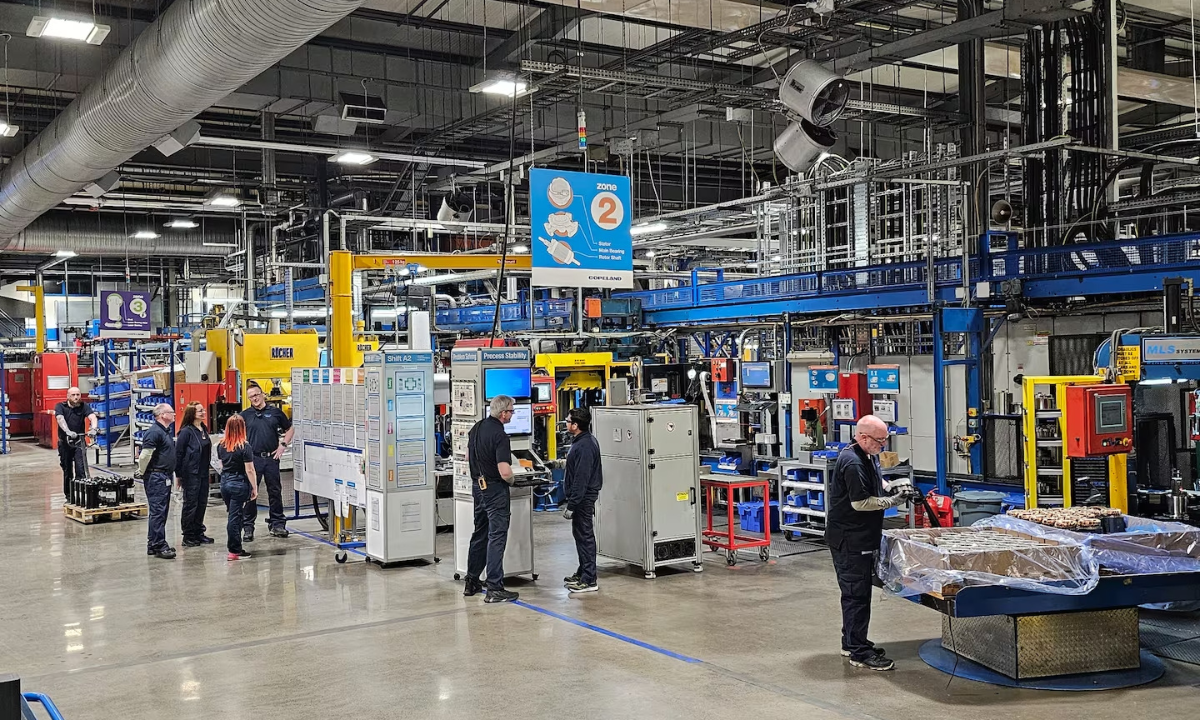
Copeland is bullish on heat pumps in Europe, so much so that it is investing £19 million (€22.1 million/$23.9 million) to expand its compressor manufacturing facility in Cookstown, Northern Ireland. Although the OEM did not say which products would benefit from the increased production capacity, the Cookstown plant does produce an R290 (propane) scroll compressor used in both commercial and residential heat pumps.
“This new investment in Cookstown will allow us to best serve Europe’s anticipated demand for heat pumps and sustainable air-conditioning technologies, which are crucial for supporting the U.K. and European Union’s decarbonization goals,” said CEO Ross Shuster.
No. 3: Electric Vehicle Manufacturers ‘Highly Likely’ to Adopt Natural Refrigerant-Based AC, Says Consulting Firm
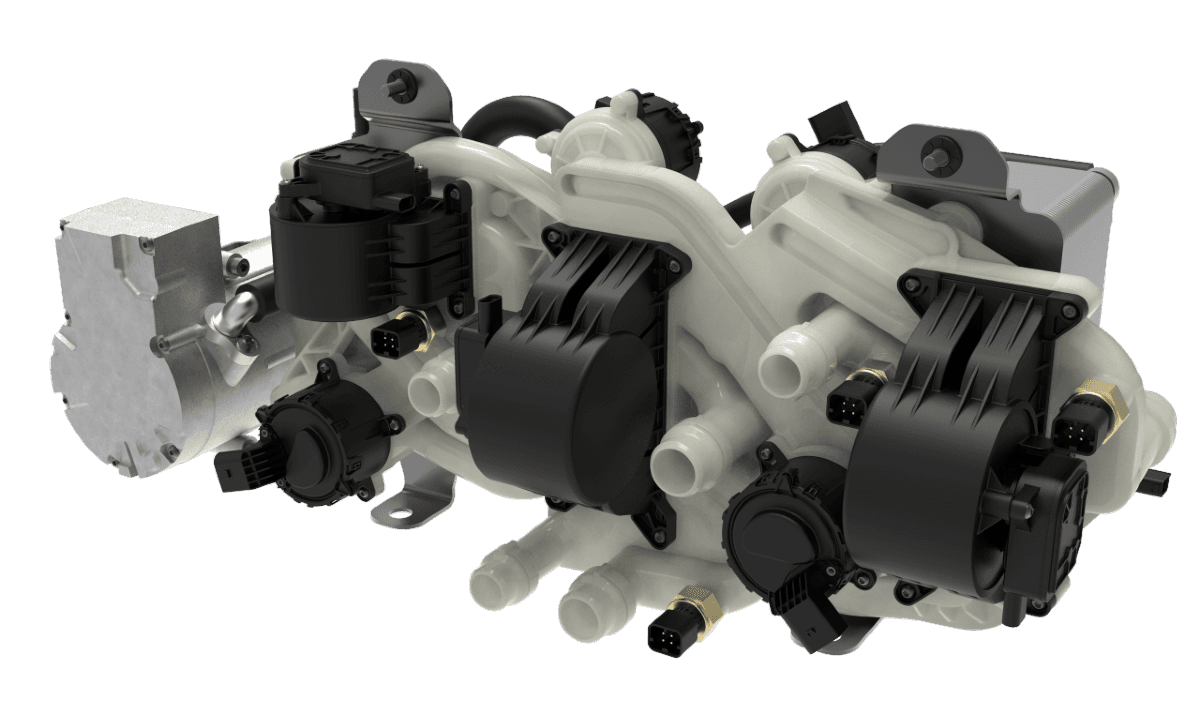
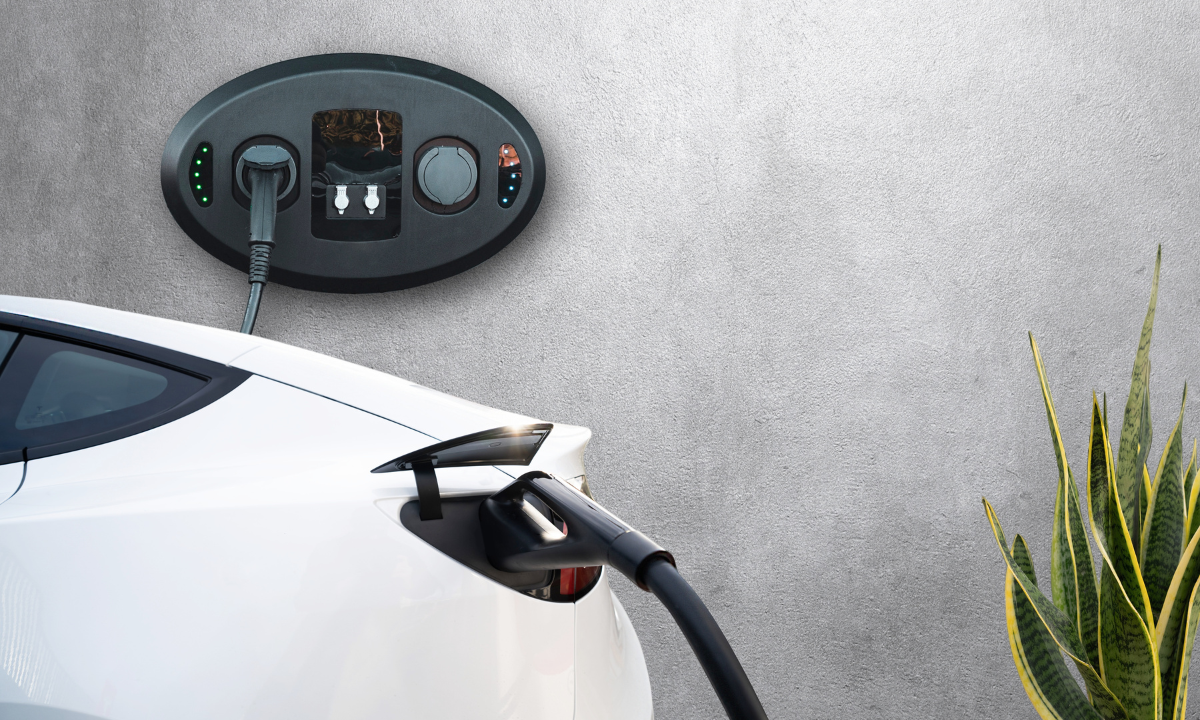
Consulting firm Ducker Carlisle is forecasting a refrigerant shift in the MAC sector, with plug-in hybrid electric vehicle (PHEV) and electric vehicle (EV) manufacturers moving away from the widely used HFO-1234yf and toward CO2 and propane. In a recently released white paper, the consulting firm anticipated the move to natural refrigerants would occur over the next five years.
It cited the drivers as a potential European Union ban on PFAS (per- and polyfluoroalkyl substance), an increased focus on vehicle efficiency and possible government subsidies for low-GWP refrigerants in thermal systems.
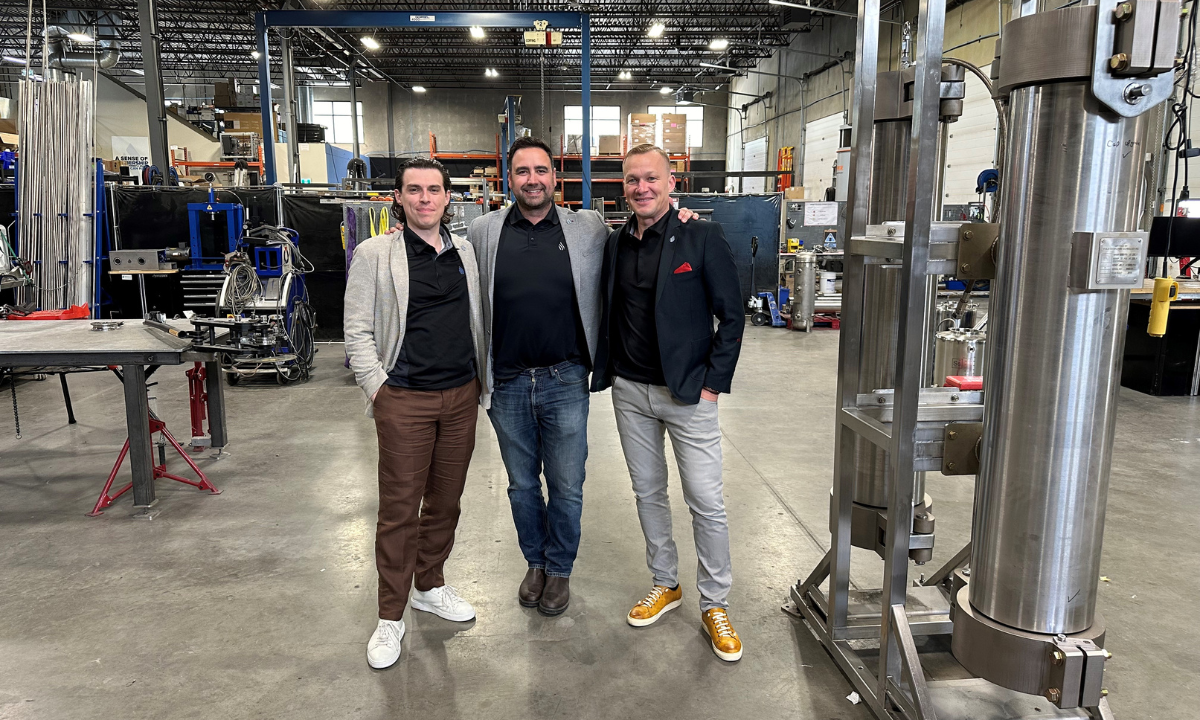
No. 4: KKVB Group, Parent Company of TEKO, Acquires Canadian CO2 Heat Pump and Chiller Manufacturer Vitalis
German OEM TEKO has gained a foothold in the North American market thanks to its parent company, the KKVB Group, which acquired Canadian CO2 heat pump and chiller manufacturer Vitalis in early May. Andreas Meier, Managing Director of TEKO, told NaturalRefrigerants.com that his company is especially excited to learn from its Canadian counterpart about developing large CO2 heat pumps.
“The knowhow from Vitalis in large heat pump applications with CO2 will provide a further push for this market in Europe as well,” Meier said. Vitalis’s CO2 heat pumps range in size from 100kW to megawatts (100 to upwards of 284,345TR) and are used in residential, industrial and district energy applications.
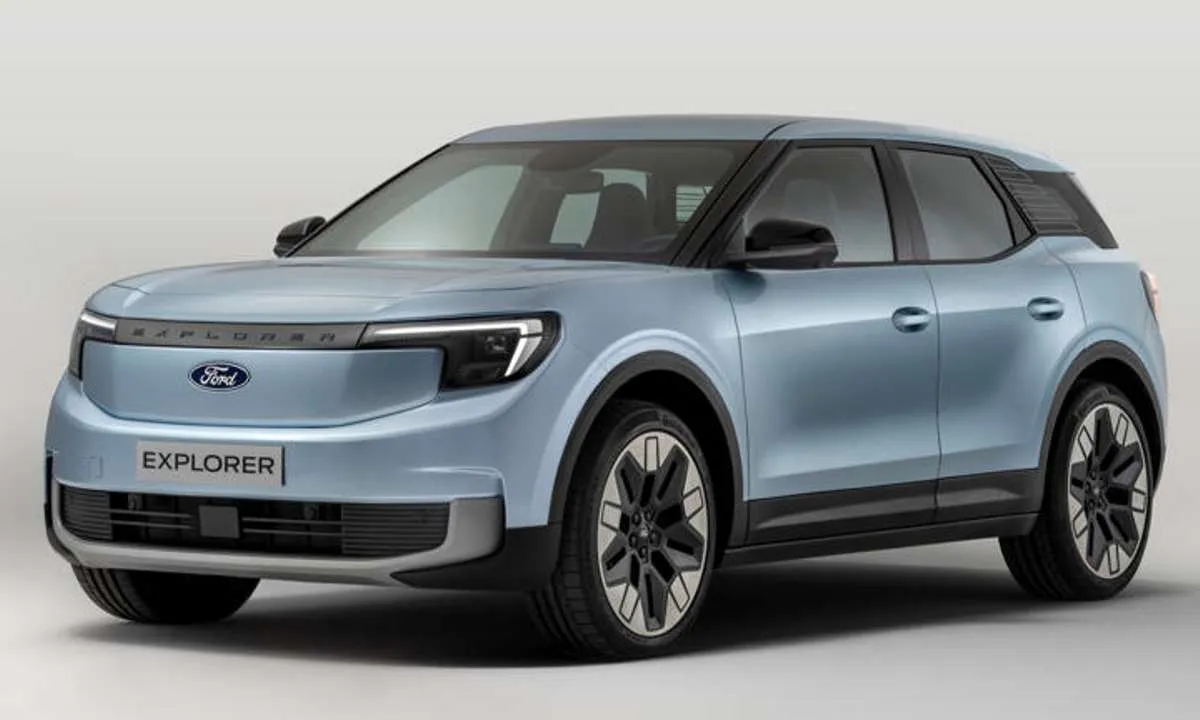
No. 5: New Electric Ford Explorer Features Optional CO2 Heat Pump
Ford’s new electric Explorer is the automaker’s first EV to offer a CO2 heat pump. The CO2 heat pump is an optional extra, with the company’s U.K. sales team telling NaturalRefrigerants.com that information on the EV’s standard air-conditioning and heating system is not currently available. Ford’s other EVs, the Mustang Mach-E SUV and F-150 Lightning pickup truck, both use HFO-1234yf in their MAC systems.
The electric Ford Explorer is built on Volkswagen’s modular electric drive matrix (MEB) platform. Volkswagen is a major proponent of CO2 heat pumps and offers them in several EVs built on the MEB platform.