A study conducted by the German Environment Agency (UBA) has identified propane (R290) as a “feasible option” for train air-conditioning systems, offering real-world performance and safety levels on par with systems using HFC R134a, which currently dominates the market.
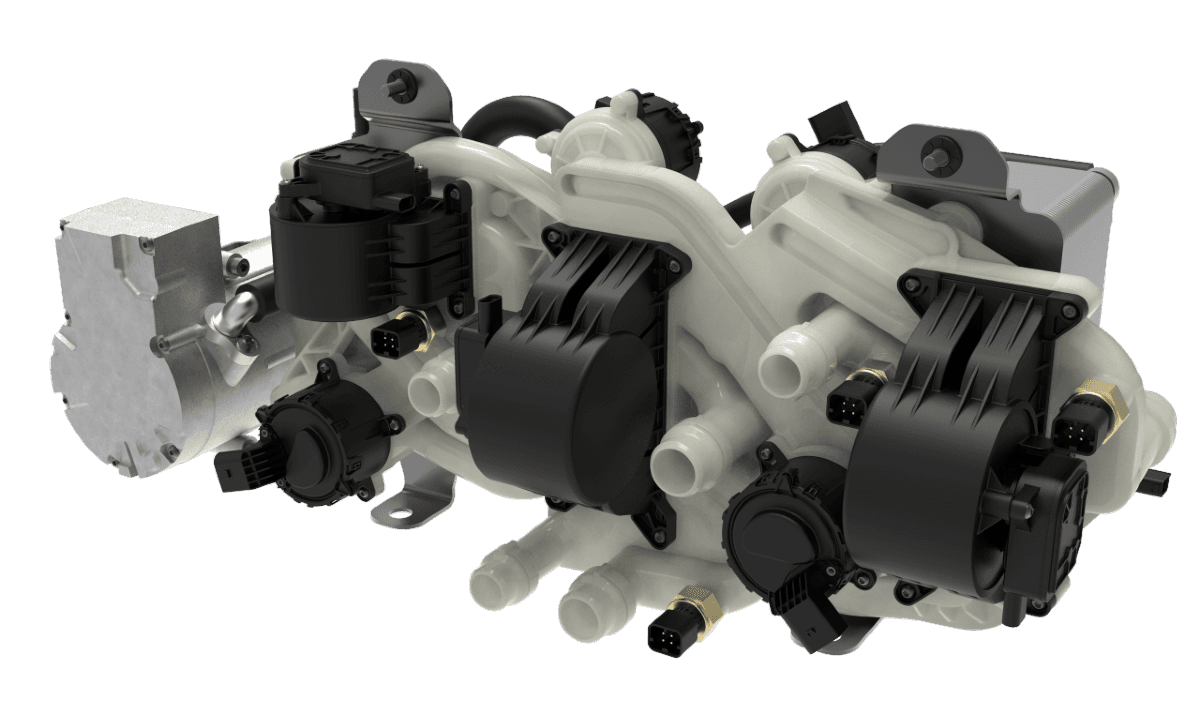
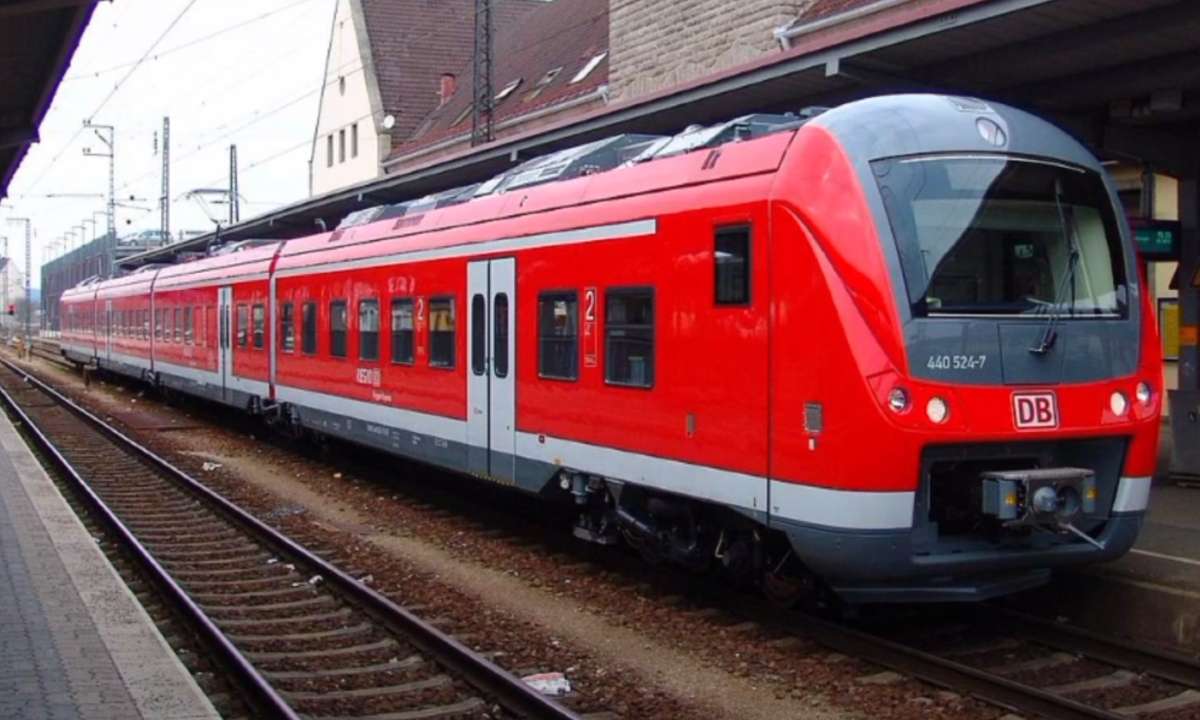
The trial, conducted between July 2020 and October 2021, involved the installation of a propane-based HVAC system and a comparable R134a-based unit on two adjacent compartments on a Deutsche Bahn regional train, allowing a side-by-side comparison of performance, energy consumption and cost-effectiveness.
The project was led by UBA in collaboration with train operator Deutsche Bahn and the systems’ manufacturer Faiveley Transport Leipzig and was the first time a propane air-conditioning system was tested in normal passenger service.
Study results
Results showed that the R290 system matched or exceeded the performance of the R134a unit in most operational scenarios. While total energy consumption for both systems was similar, the R290 compressors exhibited shorter activation durations and greater efficiency under high thermal loads. The propane system also demonstrated higher cooling capacity, suggesting the potential for energy savings with a smaller R290 unit.
Importantly, both systems shared nearly identical dimensions, weight and interface requirements, making propane a promising candidate for retrofits with minimal system redesign. Both systems offered capacities of 23kW (6.5TR) and were designed as compact, plug-and-play units. The R290 unit used in the study was developed using the design of a current-production R134a unit as its foundation. The study’s comparison R134a unit was a slightly older model.
The R290 unit weighed 658kg (1,451lbs) compared to 683kg (1,506lbs) for the R134a system, and used significantly less refrigerant – with a total of 2.8kg of R290 versus 9.6kg of R134a, both across two refrigerant circuits– thanks to propane’s higher volumetric efficiency.
While flammable refrigerants like propane have long raised safety concerns, extensive risk assessments and tests conducted before and during the study confirmed that a comparable safety level to conventional systems can be achieved.
Phasing down HFCs
In 2022, air-conditioning systems in German trains leaked around 24 metric tons of R134a – equivalent to about 34,700 metric tons of CO2 – underscoring the urgent need to switch to low-GWP refrigerants like propane, particularly as passenger numbers and cooling demand increases.
The shift away from high-GWP refrigerants is also mandated regionally by the EU F-gas Regulation and internationally by the Kigali Amendment to the Montreal Protocol. Both policies will limit the supply and increase the cost of traditional refrigerants as implementation progresses.
In addition to natural refrigerants like CO2 (R744), air and propane, HFO-based alternatives are currently being explored. However, these fluorinated refrigerants have disadvantages compared to natural refrigerants, including higher refrigerant costs and environmental impacts from the production of trifluoroacetic acid (TFA), the study notes.
“History has shown that every synthetic refrigerant to date has been subject to phaseout, requiring repeated technical adjustments or retrofitting,” the study says. “This poses a particular risk for the railway air conditioning sector, given its long service life. This problem potentially persists with R1234yf.”
“History has shown that every synthetic refrigerant to date has been subject to phaseout, requiring repeated technical adjustments or retrofitting. This poses a particular risk for the railway air conditioning sector, given its long service life.”
UBA
Natural refrigerants in train HVAC
At the time the study was conducted, flammable refrigerants like propane had not yet been used in HVAC systems on trains. Other natural refrigerants, including air and CO2, had been tested or used in a few trains. For example, air-based systems are currently used on Deutsche Bahn’s ICE 3 trains and CO2 has previously been tested on a long-distance passenger train in Austria.
“Due to this investigation propane is now, next to CO2 and air, recognized as the third natural refrigerant option for air conditioning in rail vehicles,” the UBA study says.
As of September 2024, Deutsche Bahn had 16 R290 units ‒ manufactured by Faiveley ‒ installed in two of its new ICE 3neo passenger trains, which were commissioned in June and July 2023. In October, it was announced that the next generation of Nordic Express and Munich’s S-Bahn trains would both include R290 HVAC units. Several propane-based HVAC units were also showcased at the InnoTrans 2024 trade show.
According to Peter Danzer, Project Leader at Deutsche Bahn, the train operator expects to see some 2,000 propane-based HVAC units in operation on trains across Europe by 2027.